 INFRA
INFRA



INFRA

Financial sovereignty is becoming a practical question for nations building AI infrastructure: Who controls the systems, and where does the money go? As AI moves into everyday business applications, those decisions extend from the technology supply chain to the communities hosting data centers.
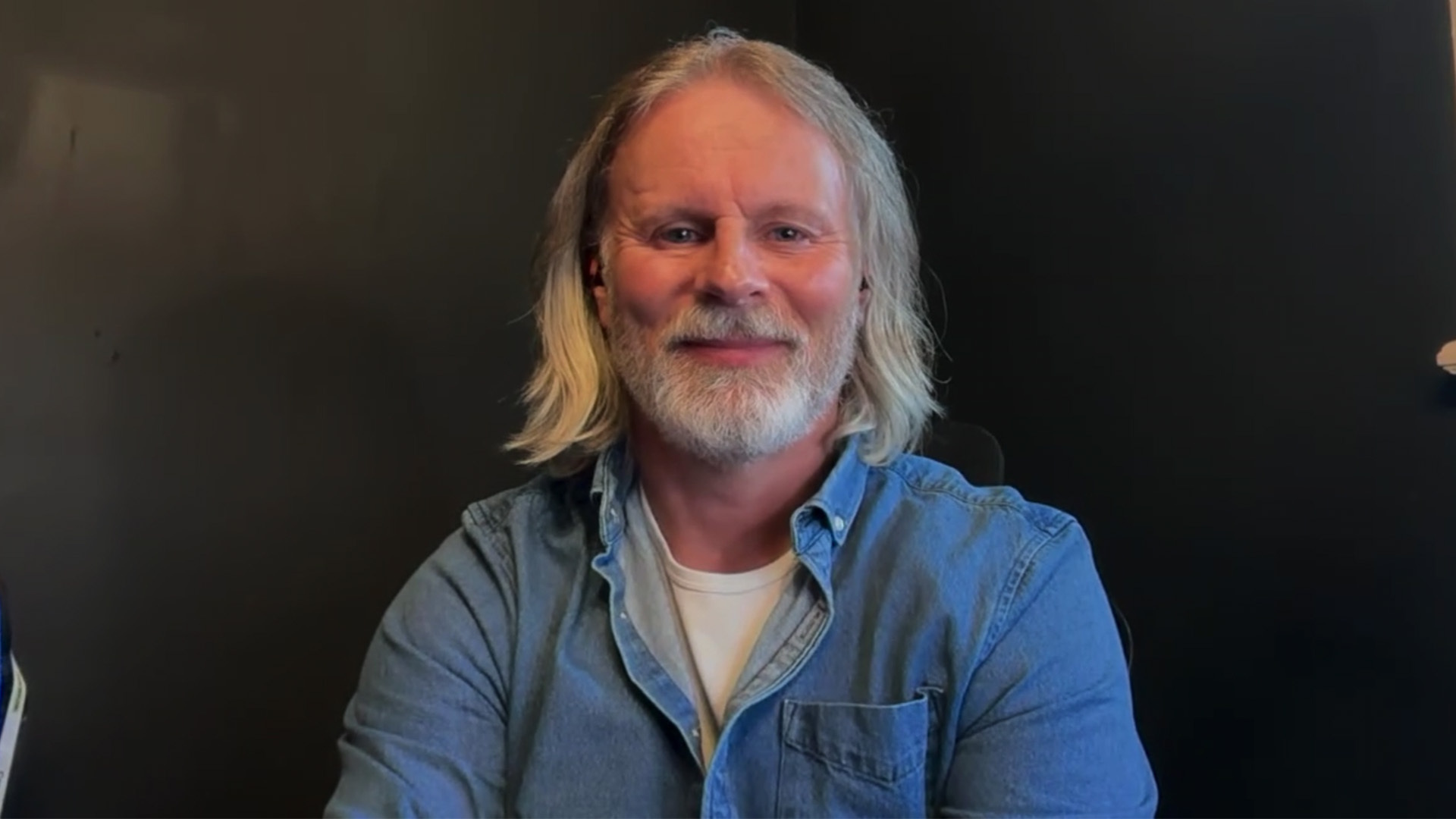
Era4 Ltd. is approaching that challenge through a network of U.K.-owned AI facilities powered by energy it generates itself. Its strategy combines domestic infrastructure control with the redevelopment of former industrial sites, according to Karl Havard (pictured), chief commercial officer of Era4.
“What we are claiming is there is a way to be more in control of a U.K. tech stack in the AI area,” he said. “There’s also a way to make sure that the U.K. economy benefits from that.”
Havard spoke with theCUBE Research’s Dave Vellante and Amit Eyal Govrin for the “Sovereign AI: From Strategy to Reality” video series, during an exclusive interview on theCUBE, SiliconANGLE Media’s livestreaming studio. They discussed infrastructure ownership, financial sovereignty and community investment. (* Disclosure below.)
Era4’s operating model extends from land and power to ownership of the AI hardware deployed on its sites. Its live Chesterfield facility uses liquid-cooled Nvidia Corp. B300 systems supplied by Hewlett Packard Enterprise Co., with World Wide Technology LLC assisting with installation, Havard explained.
For Havard, buying technology from an overseas supplier doesn’t necessarily mean giving up control of it. He compared that distinction to owning an American-made motorcycle.
“I ride a motorcycle. It’s an American motorcycle, and I bought it. It’s mine: [It] sits in my garage, and then I ride on the road,” he said. “It’s in my control.”
But owning the hardware is only part of the sovereignty equation. Era4’s technology stack also includes HPE Private Cloud AI, introducing software licensing dependencies that must be considered alongside operational control. The company is also pursuing domestic and European partnerships above its infrastructure layer, including a June agreement with Cosine to explore support for Lumen Sovereign, a U.K.-developed language model.
“There’s no pure control from any single sovereign nation, I don’t think, through the whole stack,” Havard said. “I don’t think our aim should be to try and reach that utopian point because then you just create an island of yourself, and you don’t get the best of both.”
For Era4, the economic test goes beyond locating equipment within national borders. Domestic service revenue available for reinvestment can support a wider U.K. ecosystem, while payments to overseas providers follow a different path, Havard explained.
“It benefits directly the [gross domestic product] and the U.K. economy — not just through tax,” he said. “The revenue stays; it supports the community because it’s invested into that community.”
The shift toward inference adds another financial consideration as organizations pay to use AI models in production. Beyond managing token bills, nations hosting the infrastructure need to consider how commercial arrangements distribute the proceeds, Havard noted.
“If someone is using all those tokens, great, there’s revenue being generated,” he said. “But who does that benefit? Where does that go? I think there’s probably further work to be done in order to agree that there’s a proportion that the model makers keep, but then also a proportion that the hosting organizations in the nation where they’re hosting from also keep.”
Era4’s planned redevelopment of a former steelworks in Newport, Wales, puts that economic argument into a local setting. The company owns a 230-acre site and intends to use about 20% for its AI infrastructure, Havard noted.
“It brings the community back to life because we’re going to build a vocational tech college as part of it,” he said. “Newport City Council has asked for sports facilities and a swimming pool. We’re going to build that on behalf of them.”
The plans also include conservation and research areas for schools and universities. Direct-to-chip liquid cooling would provide an opportunity to reuse data center heat in the proposed swimming pool, according to Havard.
“If every neocloud hyperscaler data center provider could do it this way, then I think we’d start to not only see positive reception to AI and how it’s deployed, but also a true benefit to the citizens of where it is deployed too: reduce tariffs of energy, subsidized council tax [and] fun and laughter back into the regions where they’ve been stale for ages,” he said. “That’s our blueprint that we want to take forward, and we hope others will start to do a similar thing.”
Here’s the complete video interview, part of SiliconANGLE’s and theCUBE’s coverage of the “Sovereign AI: From Strategy to Reality” video series:
(* Disclosure: TheCUBE is a paid media partner for the “Sovereign AI: From Strategy to Reality” video series. Neither HPE, the sponsor of theCUBE’s event coverage, nor other sponsors have editorial control over content on theCUBE or SiliconANGLE.)
Support our mission to keep content open and free by engaging with theCUBE community. Join theCUBE’s Alumni Trust Network, where technology leaders connect, share intelligence and create opportunities.
Founded by tech visionaries John Furrier and Dave Vellante, SiliconANGLE Media has built a dynamic ecosystem of industry-leading digital media brands that reach 15+ million elite tech professionals. Our new proprietary theCUBE AI Video Cloud is breaking ground in audience interaction, leveraging theCUBEai.com neural network to help technology companies make data-driven decisions and stay at the forefront of industry conversations.