 AI
AI



AI

Restoring data after a cyberattack isn’t enough if the identity systems that control access are compromised. Dell Technologies Inc. is extending its cyber recovery tools to cover those systems, putting identity resilience alongside data protection.
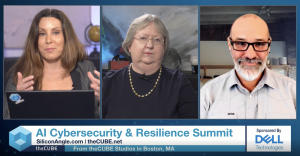
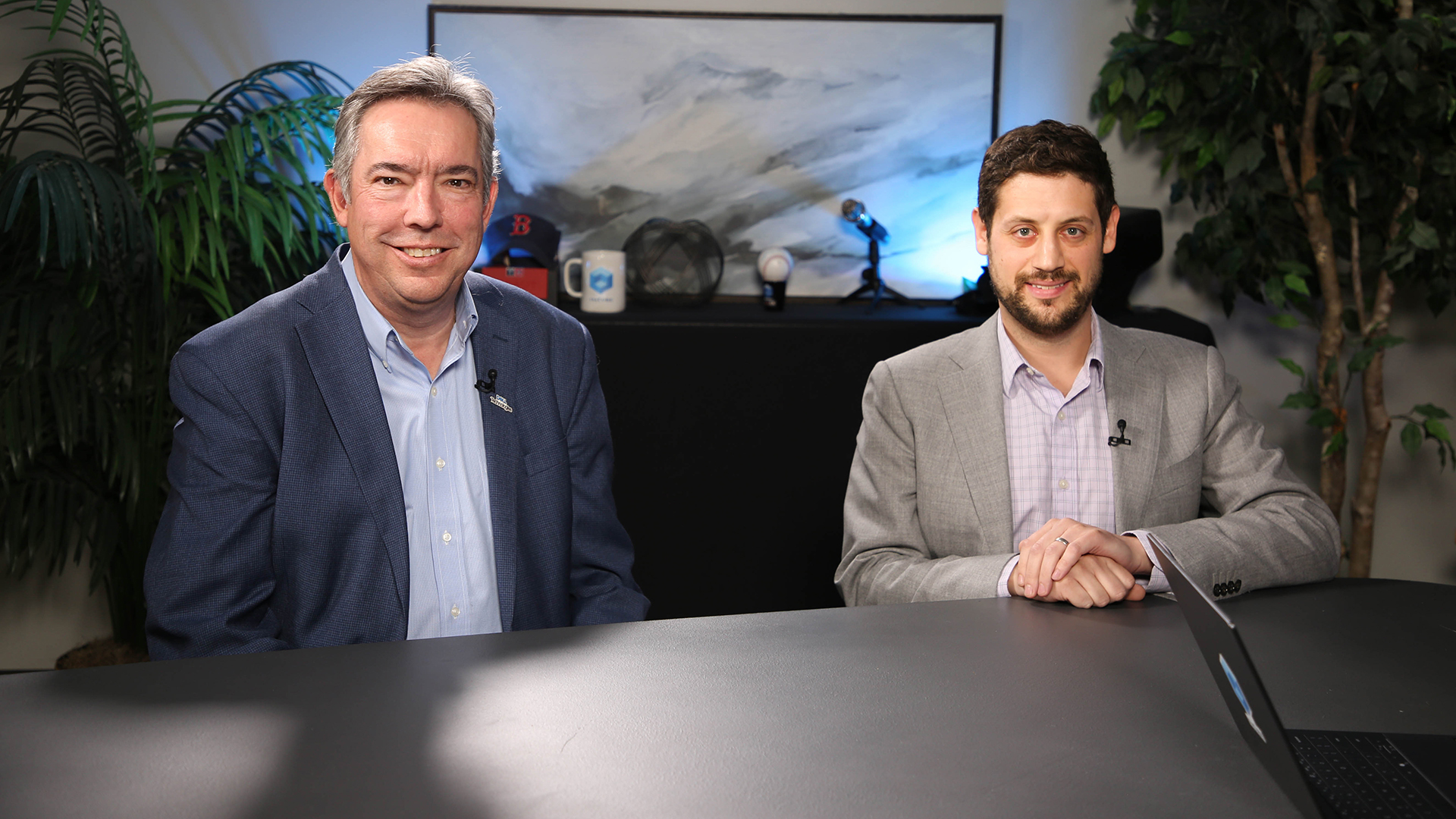
That gap is widening as AI ties data, identity, infrastructure and applications into interdependent systems, making data protection a core layer of enterprise AI. Backup and recovery alone no longer get the business running again, according to Rob Emsley (pictured, left), director of cyber resilience product marketing at Dell.
“Without good identity and trust in identity, your ability to bring the business back is almost impossible,” he said. “Without the identity framework, the identity platform that you rely upon, you may have the data, but you can’t access it.”
Emsley and Adam Miller (right), global lead for security and resilience services marketing at Dell, spoke with theCUBE’s Dave Vellante for the AI Cybersecurity and Resilience Summit, during an exclusive broadcast on theCUBE, SiliconANGLE Media’s livestreaming studio. They discussed how Dell is extending cyber recovery to identity platforms and AI infrastructure. (* Disclosure below.)
Dell is building on its PowerProtect data protection and cyber recovery portfolio to address a critical dependency in the recovery process, according to Emsley.
“We’re introducing identity resilience into the PowerProtect portfolio for the key identity platforms that customers rely upon: Active Directory, Entra ID and Okta,” Emsley said. He added that the goal is to know “when the time comes to recover, you have trust in the identities that you rely upon before you then start bringing back the applications and data.”
Dell is also adding identity threat detection and response capabilities to its managed detection and response service, aiming to spot misuse of legitimate credentials as it happens and shut it down automatically. Miller pointed to the “impossible traveler,” a user who appears to log in from two distant locations faster than anyone could move between them.
“If you’ve got someone who logs in with legitimate credentials, but from an IP address they’ve never used before, we don’t only need to see that; we need to be able to automate response so quickly to either remove that person from the network or produce an outcome that stops that attack in its tracks,” he said. “This only becomes even more important when we start talking about agentic identity and what we’re going to need to do in order to govern those identities the same that we would any human.”
The same thinking now applies to AI infrastructure. Dell is embedding PowerProtect as an option within the Dell AI Factory and extending PowerProtect’s snapshot orchestration to PowerScale storage, with replication to ObjectScale. The moves build on PowerProtect One and Dell Cyber Detect, which Dell introduced in May to simplify cyber resilience across the data center. The company also draws lessons from about 6,500 AI Factory customers, according to Miller.
“Part of those insights include things that we’re learning from them that are making some organizations successful while others’ projects are stalling,” he said. “One of the key things that we’ve realized is that security and resilience really needs to be brought in from the beginning, a core architectural decision, so that we’re not repeating the pitfalls of the cloud transition and trying to bolt it on later.”
Testing is where many resilience plans fall short. Dell’s services teams run tabletop exercises and end-to-end simulations of a ransomware intrusion, its detection and the recovery that follows. One customer that restructured its approach to improve recovery speed saw backup-to-recovery efficiency improve 17 times, according to Miller. Emsley emphasized the importance of knowing that critical operations can be restored.
“Everything you do, you need to test it,” Emsley said. “The concept of assured recovery has never been more important than it is today.”
Here’s the complete video interview, part of SiliconANGLE’s and theCUBE’s coverage of the AI Cybersecurity and Resilience Summit:
(* Disclosure: Dell Technologies Inc. sponsored this segment of theCUBE. Neither Dell nor other sponsors have editorial control over content on theCUBE or SiliconANGLE.)
Support our mission to keep content open and free by engaging with theCUBE community. Join theCUBE’s Alumni Trust Network, where technology leaders connect, share intelligence and create opportunities.
Founded by tech visionaries John Furrier and Dave Vellante, SiliconANGLE Media has built a dynamic ecosystem of industry-leading digital media brands that reach 15+ million elite tech professionals. Our new proprietary theCUBE AI Video Cloud is breaking ground in audience interaction, leveraging theCUBEai.com neural network to help technology companies make data-driven decisions and stay at the forefront of industry conversations.