 AI
AI



AI

Supply chain security is taking on new importance as enterprises bring AI into core business operations. Those deployments introduce risks that require security teams to examine how infrastructure, data and autonomous systems are protected.
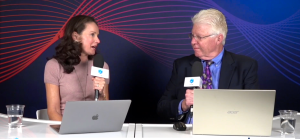
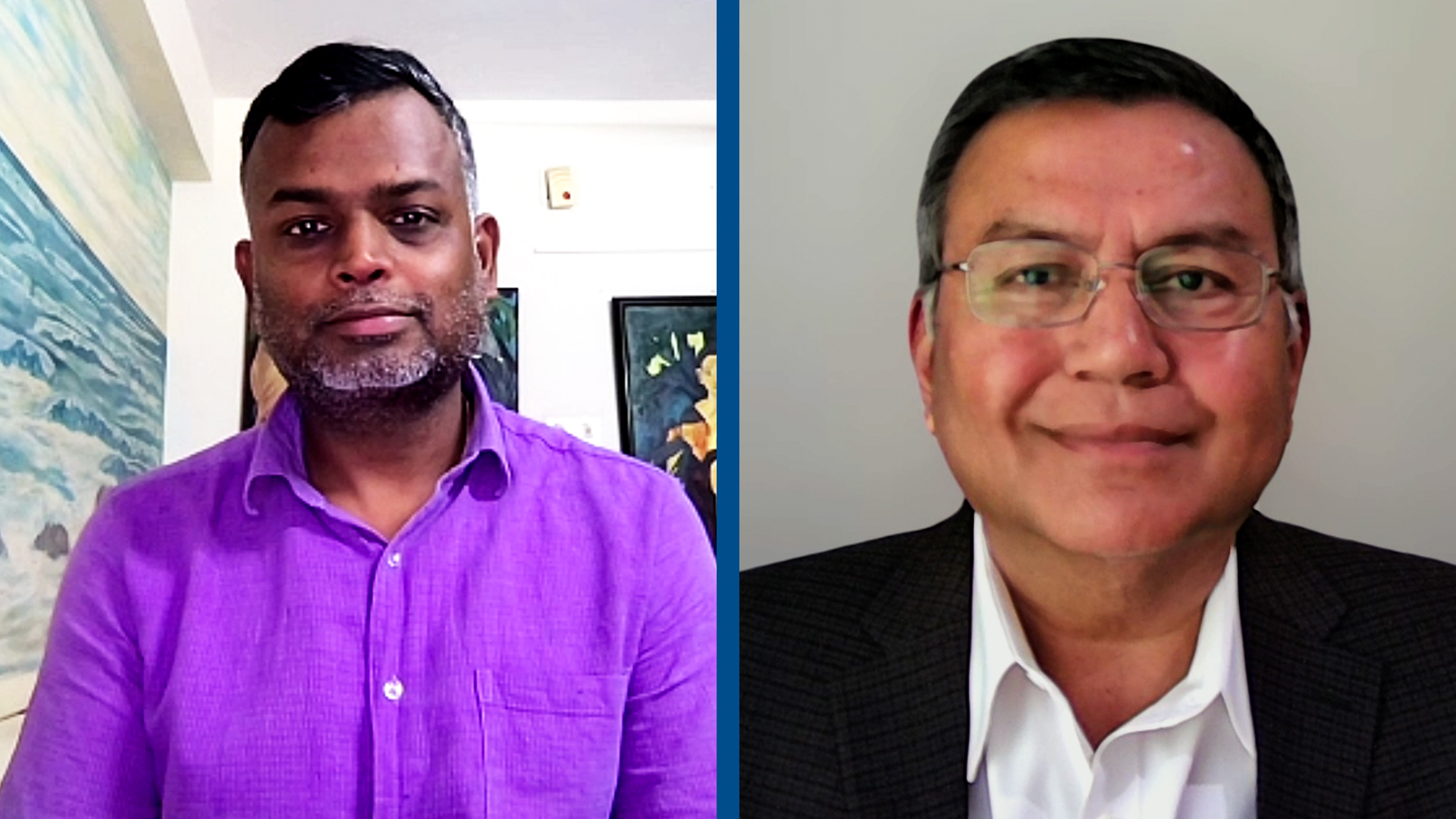
As AI agents gain the ability to act on their own, executives need to rethink where risk lives and who controls it. Dell Technologies Inc. has made AI factory security a central part of that conversation, according to Kamlesh Shah (pictured, right), director of product management, Dell AI Factory Solutions, at Dell.
“With the speed and scale at which the AI systems are growing, the enterprise needs to be ready to be able to actually act at [that] speed and scale,” he said. “And it doesn’t happen overnight.”
Shah and Ash Lakshmanan (left), director of product management, Dell Services, at Dell, spoke with theCUBE Research’s Dave Vellante for the AI Cybersecurity and Resilience Summit, during an exclusive broadcast on theCUBE, SiliconANGLE Media’s livestreaming studio. They discussed how enterprises can secure agentic AI and why legacy tools miss agent identities. (* Disclosure below.)
Many of the controls Dell recommends are familiar to security teams. Dell’s approach begins with supply chain security, vetting suppliers before a product is even envisioned and extending protection across the full life cycle of a deployment, according to Shah. Dell has offered those capabilities through the Dell AI Factory while also running them in its own internal IT operations, he noted.
“Dell’s experience in the AI infrastructure as a provider and a very large-scale AI user has created a model that the customers can look at and replicate,” he said. “The goal is to turn these deployment lessons into repeatable patterns … rather than reinvent the control.”
Agents change the threat model because they do more than answer questions. Given a goal, an agent can take multiple steps, find and use tools, call systems of record and communicate with other agents, which makes its behavior less predictable, Shah explained. That puts boundaries at the center: policy enforcement checks, runtime sandboxing and telemetry that records who authorized what.
“The agent itself should have the ability and identity that’s tied to a particular workload, not a broad-based permission to work on all applications,” he said. “The layer at which the agent needs to operate is really delegated, narrowly scoped permissions. Time-based.”
Once customers choose an architecture, Dell Services helps them turn a promising use case into an environment they can operate, govern and iterate on, according to Lakshmanan. That work covers security across a four-layer stack spanning hardware, runtime, data and applications. The piece customers most often underestimate is observability across all four layers, he noted.
“Your old tools just cannot look at AI workloads. Your old tools that could look at human identities and possibly machine identities cannot look at agent identities,” he said.
Some customers that ran Dell’s penetration testing services against chatbots they planned to release learned the bots weren’t ready and could have been exploited by a hacker, Lakshmanan noted. Dell is also working with Nvidia Corp. to bring agentic AI from the deskside to the data center.
“We need new tools, platforms and skills to tackle this,” he said. “But the foundational elements of security have not gone away, which is the layered security approach we talked about. You still need to narrow your attack surface. You still need 24/7 continuous observability, and you need to be prepared as if a breach could happen.”
Here’s the complete video interview, part of SiliconANGLE’s and theCUBE’s coverage of the AI Cybersecurity and Resilience Summit:
(* Disclosure: Dell Technologies Inc. sponsored this segment of theCUBE. Neither Dell nor other sponsors have editorial control over content on theCUBE or SiliconANGLE.)
Support our mission to keep content open and free by engaging with theCUBE community. Join theCUBE’s Alumni Trust Network, where technology leaders connect, share intelligence and create opportunities.
Founded by tech visionaries John Furrier and Dave Vellante, SiliconANGLE Media has built a dynamic ecosystem of industry-leading digital media brands that reach 15+ million elite tech professionals. Our new proprietary theCUBE AI Video Cloud is breaking ground in audience interaction, leveraging theCUBEai.com neural network to help technology companies make data-driven decisions and stay at the forefront of industry conversations.