 AI
AI
AI
AI





AI

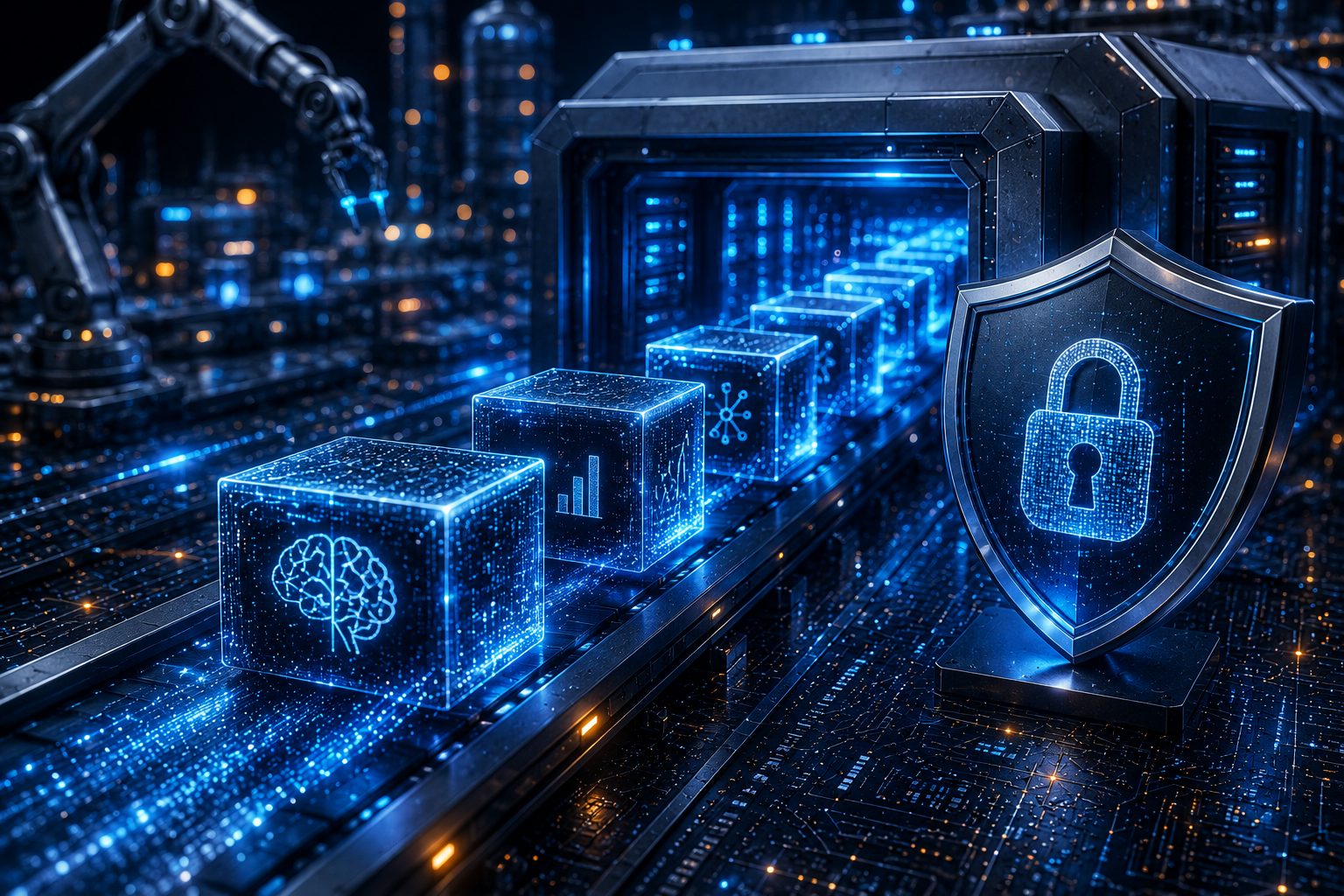
Agentic artificial intelligence is transforming the enterprise world — and creating dangerous security gaps at every turn.
The rise of the AI factory, a system designed to continuously transform data into intelligence at industrial scale, has led organizations to overlook the security implications of autonomous agents and nondeterministic models. The agentic enterprise will require an entirely new control plane, and a different set of security procedures.
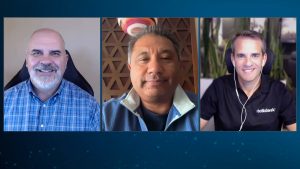
“AI changes the whole game,” said Steve Kenniston (pictured), senior cybersecurity evangelist for portfolio marketing at Dell Technologies Inc., in an interview with theCUBE. “There’s the model inferencing. There’s the model training data. There are systems where people can do things like prompt injection. There’s identity management that needs to be thought about. These things are changing so fast. There’s a whole group of things that actually change from an attack surface standpoint that you want to make sure you have locked down as you’re building out this brand new application. Every new application has a new attack surface.”
Kenniston spoke with theCUBE’s Dave Vellante for the “Securing the AI Factory” event, during an exclusive broadcast on theCUBE, SiliconANGLE Media’s livestreaming studio. At the event, leaders from Dell and Intel discussed how they are securing AI infrastructure and building in data protection from the ground up. (* Disclosure below.)
Since AI factories encompass every layer of the AI stack, that also means they have more entry points for cyberattackers to exploit. The issue is that companies are treating security as an afterthought in the process of AI adoption, according to Kenniston. About 85% to 90% of AI projects are being halted mid-implementation because the security team has not been included from the outset, reports Dell’s services organization.
“What it’s saying is that it is still being bolted on,” Kenniston said. “The last thing you want to do is get to the five-yard line and have someone from security go, ‘Stop, stop, stop. We haven’t vetted this. We haven’t looked through this. We don’t understand what’s going on.’ You want to make sure that [security is] a part of it.”
The long-term partnership between Dell and Intel has seen the former build a disaggregated infrastructure on top of Intel’s processors, as part of its strategy for optimizing AI workloads. Dell recently expanded its AI Factory through Generative AI Solutions with Intel, which combines Intel Gaudi3 AI accelerators with Dell’s high-performance servers for the implementation of AI workflows.
Instead of addressing each of the AI factory’s components separately, Dell uses a “security by design” approach, integrating secure storage protocols and data protection suite throughout the infrastructure. Dell also applies a Zero-Trust strategy, ensuring that autonomous agents and AI models only have the bare minimum access needed to operate.
“At Dell, we integrate security into everything that we do, right from the supply chain through the chips, right to the device that gets delivered to you,” Kenniston said.
Here’s theCUBE’s complete video interview with Steve Kenniston:
Intel’s role in the Dell partnership involves baking security protocols directly into its hardware. Security is rooted in CPU choice, according to Mike Ferron-Jones, go-to-market lead for platform security and integrity at Intel. He separates the company’s security capabilities into four areas: preventing the platform from being compromised at the boot level, employing confidential computing to protect data, enforcing safe software behavior through hardware controls and improving encryption across the board.
“With confidential AI environments, the processes that you’re running in your AI systems are put inside a trusted execution environment that is cryptographically attested for integrity,” Ferron-Jones said of Intel’s confidential computing strategy. “Data is only released into the confidential trusted execution environment using encryption keys that you control. Whether you’re concerned about regulatory compliance or data sovereignty or just classic cybersecurity, you’re holding the keys to protect your data.”
On top of combatting the AI-powered attackers of today, cybersecurity experts need to prepare for post-quantum cryptography — algorithms that can protect against future quantum computers. Intel has already begun the quantum-safe cryptographic transition with its current processors and aims to use quantum-safe technology across all of its platforms by 2029.
“Even if [encrypted data] is exfiltrated today, it can’t be cracked open in 10 years or 15 years with a quantum computer,” Ferron-Jones said. “You can start protecting yourself today, particularly against those harvest now, decrypt later scenarios, by encrypting stored data with the quantum-safe AES-256 algorithm. One great thing is there’s instructions inside today’s Xeon CPUs that accelerate that thing. You can flip over to the quantum-safe, more sophisticated algorithm and not feel the big bite of going to that larger key size.”
Here’s theCUBE’s complete video interview with Mike Ferron-Jones:
One of the biggest security threats exposed by AI infrastructure is the “living off the land” phenomenon, where attackers exploit trusted tools, and potentially agents, by turning them against the organization. In order to prevent catastrophic breaches, agents must be restricted to accessing only what they need to function.
“The integrity of deployment scenarios — the monitoring, the observability — is going to be tremendously important as we move with agents,” said Mukund Khatri, fellow and vice president of systems architecture at Dell. “Identity has to be monitored and they have to operate in least-privileged mode. The deployments of least privilege for agents [are] going to be very, very critical.”
Each of those scenarios will have to change as AI models evolve and post-quantum cryptography grows ever closer. Companies need to develop a transition plan that addresses quantum threats sooner rather than later, according to Kahtri.
“All companies are getting aware,” he said. “They need to be looking into their transition plans. Over the next two to three years, there’s a lot of transitions — new buys that customers do — and the entire software ecosystem has to transition. [It is] a very multi-year, complex, mandatory, redefining governance event.”
Here’s theCUBE’s complete video interview with Mukund Kahtri:
To watch more of theCUBE’s coverage of Securing the AI Factory 2026, here’s our complete event video playlist:
(* Disclosure: TheCUBE is a paid media partner for the “”Securing the AI Factory With Dell Technologies and Intel”” event. Neither Dell, the sponsor of theCUBE’s event coverage, nor other sponsors have editorial control over content on theCUBE or SiliconANGLE.)
Support our mission to keep content open and free by engaging with theCUBE community. Join theCUBE’s Alumni Trust Network, where technology leaders connect, share intelligence and create opportunities.
Founded by tech visionaries John Furrier and Dave Vellante, SiliconANGLE Media has built a dynamic ecosystem of industry-leading digital media brands that reach 15+ million elite tech professionals. Our new proprietary theCUBE AI Video Cloud is breaking ground in audience interaction, leveraging theCUBEai.com neural network to help technology companies make data-driven decisions and stay at the forefront of industry conversations.