 AI
AI



AI

A shared semantic layer is fast becoming the dividing line between lakehouses built for reporting and those built for artificial intelligence.
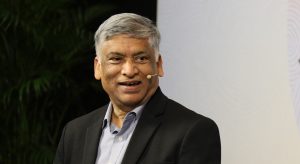
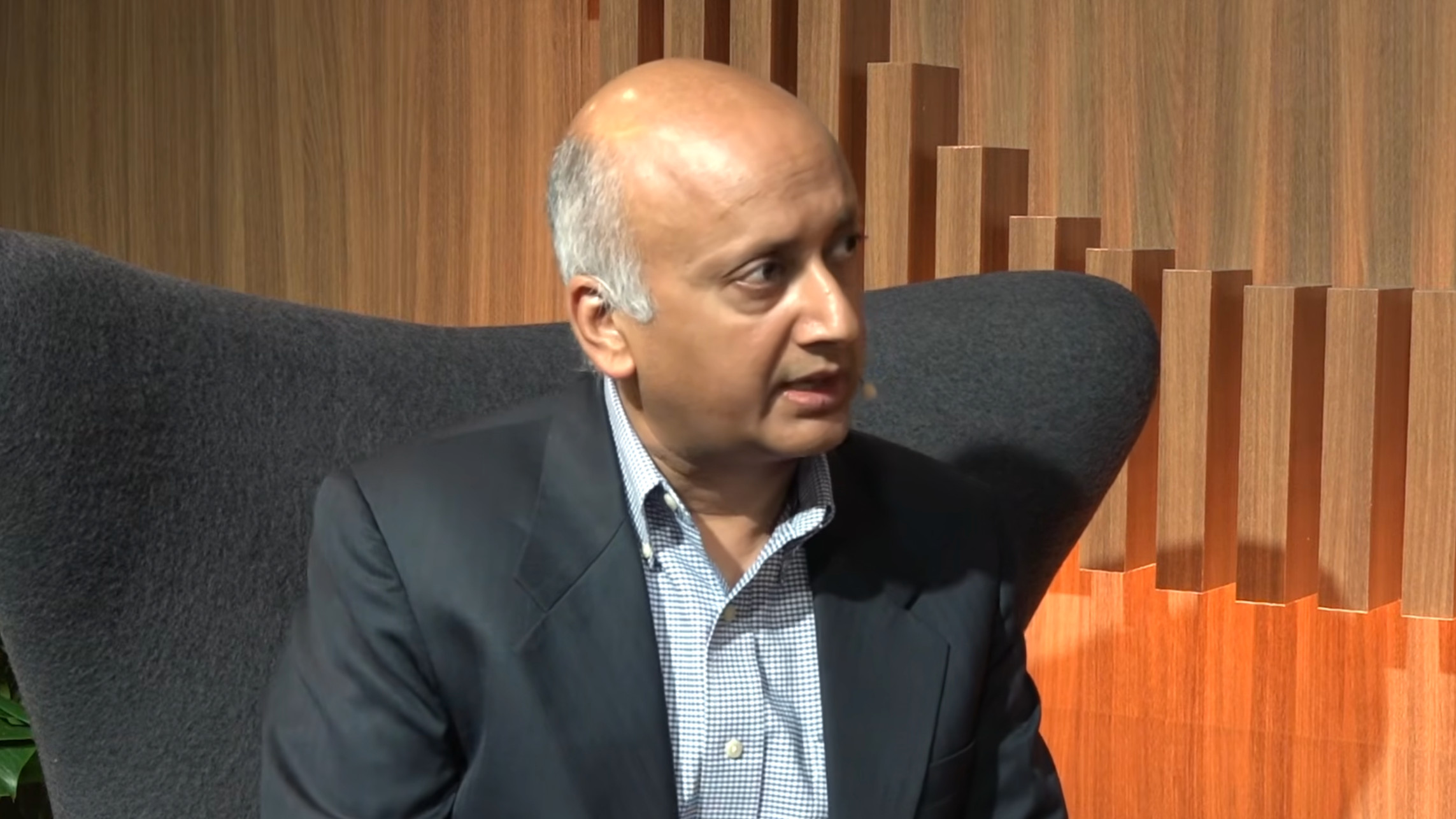
As AI agents join human analysts in querying corporate data, enterprises need platforms that make sense of information scattered across clouds, formats and rival systems. Oracle Corp. has spent the past year rebuilding its data stack around that shift, part of a broader database modernization push. The company now pitches its Autonomous AI Lakehouse as an open layer that sits across an enterprise’s existing data estate rather than replacing it, according to Nipun Agarwal (pictured), senior vice president of software engineering, Oracle Database, at Oracle.
“Lakehouses were the platform which customers use for running analytics,” Agarwal said. “Now, lakehouses have become the decision backbone for AI.”
Agarwal spoke with theCUBE’s Dave Vellante at Oracle AI World, during an exclusive broadcast on theCUBE, SiliconANGLE Media’s livestreaming studio. They discussed how Oracle’s Autonomous AI Lakehouse combines a shared semantic layer with fast, real-time access to data across platforms to support AI agents. (* Disclosure below.)
Oracle’s approach rests on a catalog that can mount other catalogs, such as Databricks Inc.’s Unity Catalog, along with Postgres and MySQL databases, so data is queried in place rather than copied. The company announced a business semantic layer and broader Apache Iceberg support at the October event, with table and column descriptions the system generates applying to non-Oracle sources as well, according to Agarwal. Crucially, Oracle does not see the offering as competing with other lakehouses, he added.
“We really believe that for any enterprise, they’re gonna have a choice,” he said. “They’re gonna be using multiple data sources. They’ll have multiple lakehouses.”
Oracle’s Lake Cache speeds up queries by moving the most-used Iceberg tables into Exadata’s flash cache. Real-time access is also becoming essential as software agents become the main consumers of the data: Scheduled refreshes of copied data can fall short when agents request it on demand, according to Agarwal.
“With AI that’s no longer the case, because for AI, the consumer is not a human necessarily,” Agarwal said. “The need for real-time access is a lot more with AI.”
Here’s the complete video interview, part of SiliconANGLE’s and theCUBE’s coverage of Oracle AI World:
(* Disclosure: TheCUBE is a paid media partner for the Oracle AI World 2026 event. Neither Oracle, the sponsor of theCUBE’s event coverage, nor other sponsors have editorial control over content on theCUBE or SiliconANGLE.)
Support our mission to keep content open and free by engaging with theCUBE community. Join theCUBE’s Alumni Trust Network, where technology leaders connect, share intelligence and create opportunities.
Founded by tech visionaries John Furrier and Dave Vellante, SiliconANGLE Media has built a dynamic ecosystem of industry-leading digital media brands that reach 15+ million elite tech professionals. Our new proprietary theCUBE AI Video Cloud is breaking ground in audience interaction, leveraging theCUBEai.com neural network to help technology companies make data-driven decisions and stay at the forefront of industry conversations.