 CLOUD
CLOUD



CLOUD

Kubernetes has grown from a maturing container orchestrator into the agent substrate that enterprises are counting on to run artificial intelligence. The shift revives old security ideas such as perimeters while raising the stakes for portability across clouds.
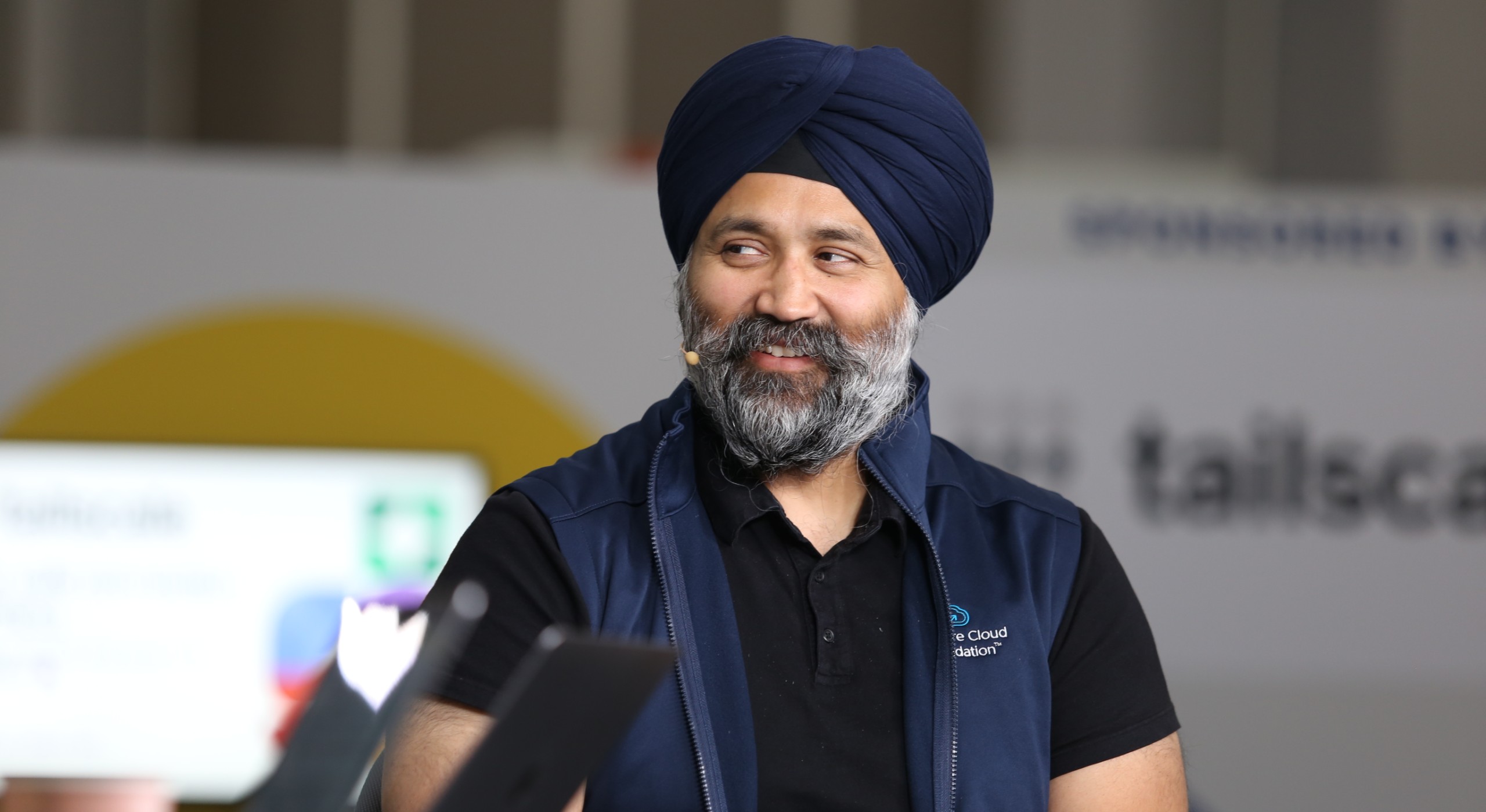
Infrastructure providers are racing to make that foundation simpler to deploy and safer to run. Broadcom Inc. used KubeCon to unveil two open-source initiatives, and the show marks a turning point for a project that had seemed settled, according to Dilpreet Bindra (pictured), senior director of engineering in the VCF Division at Broadcom.
“There were a few that were like, Kubernetes is becoming mature, and so things were stabilizing, and they were less energy, I would say. And this KubeCon just blasts those doors wide open because Kubernetes has become the foundation for AI,” Bindra said.
Bindra spoke with theCUBE Research’s John Furrier and Rebecca Knight at KubeCon + CloudNativeCon NA, during an exclusive broadcast on theCUBE, SiliconANGLE Media’s livestreaming studio. They discussed how Kubernetes has become the agent substrate and how Broadcom is adding security in depth and workload conformance to make it portable across clouds. (* Disclosure below.)
Agents are bringing back security concepts the cloud era had declared dead. Broadcom’s approach is security in depth, using its vDefend firewall at the network perimeter and deeper inside to cut off network access when rogue agents appear, Bindra explained.
“How do you then isolate them in a compute boundary in our vSphere Pods, which is a micro VM, so you can have a very secure runtime,” Bindra said. “You can employ things like Agent Substrate to be able to run within them.”
Portability is the other half of Broadcom’s agenda. The company is co-chairing a new working group on Kubernetes workload conformance, aiming to end the separate validations software makers run for each distribution, including VMware vSphere Kubernetes Service, or VKS. It also contributed its VM API project to the Cloud Native Computing Foundation, bringing virtual machines into Kubernetes as first-class citizens.
“We want Kubernetes to be Kubernetes wherever it runs in any environment,” Bindra said. “You don’t have to do individual validations of VKS, and then do individual validations of other Kubernetes distributions. You can do it as one Kubernetes.”
Here’s the complete video interview, part of SiliconANGLE’s and theCUBE’s coverage of KubeCon + CloudNativeCon NA:
(* Disclosure: Broadcom sponsored this segment of theCUBE. Neither Broadcom nor other sponsors have editorial control over content on theCUBE or SiliconANGLE.)
Support our mission to keep content open and free by engaging with theCUBE community. Join theCUBE’s Alumni Trust Network, where technology leaders connect, share intelligence and create opportunities.
Founded by tech visionaries John Furrier and Dave Vellante, SiliconANGLE Media has built a dynamic ecosystem of industry-leading digital media brands that reach 15+ million elite tech professionals. Our new proprietary theCUBE AI Video Cloud is breaking ground in audience interaction, leveraging theCUBEai.com neural network to help technology companies make data-driven decisions and stay at the forefront of industry conversations.