 AI
AI



AI

As AI agents move into production on Kubernetes, cloud engineering teams at financial companies face a security problem that encryption alone can’t solve. Container orchestration has become the default foundation for AI workloads, and the data those agents use is now the main target.
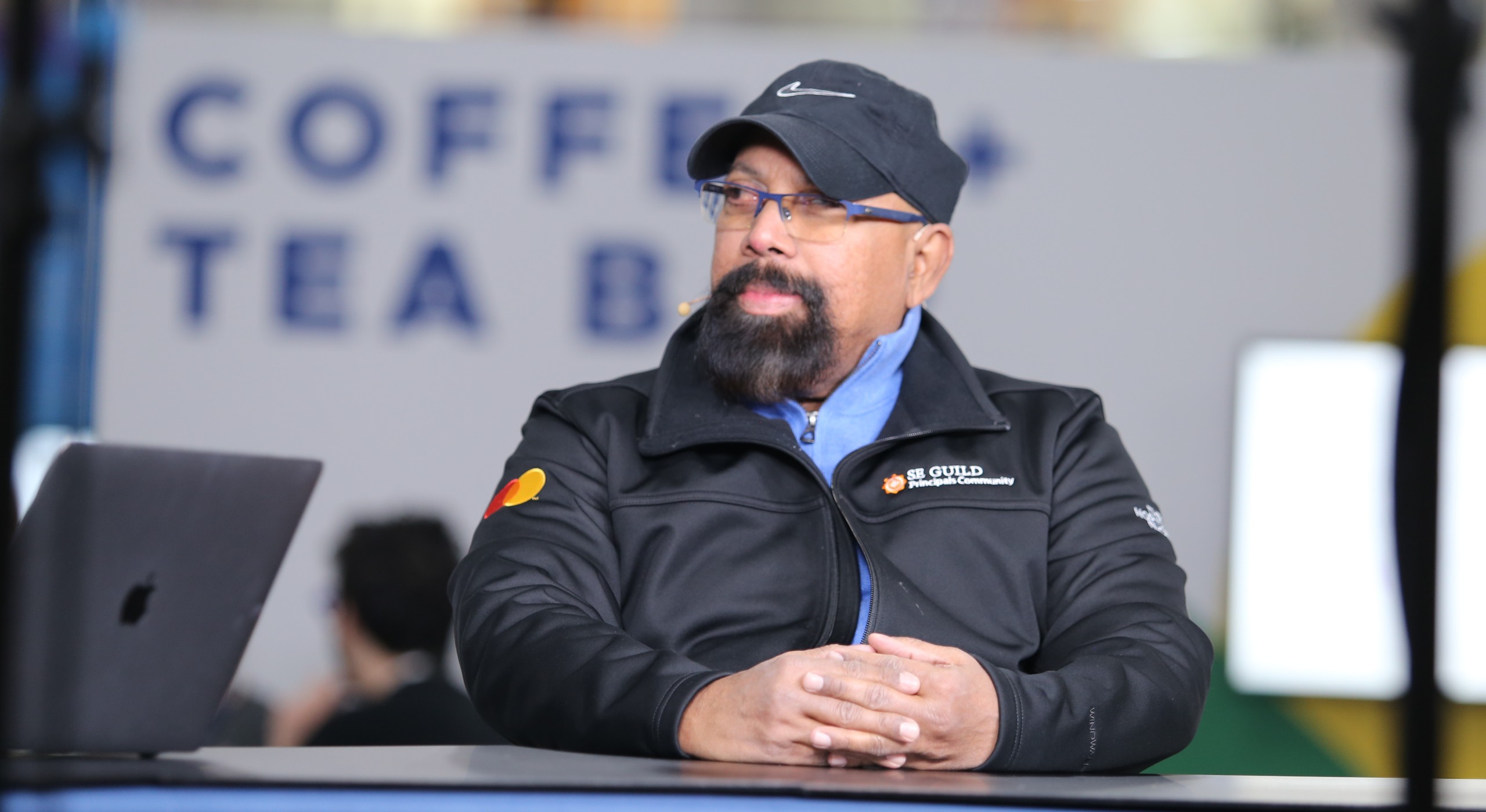
Payment networks feel that pressure more than most because every transaction carries customer data and regulatory exposure. Protecting data while it is being processed, and not just while it is stored or moving, has become central to running agents at scale, according to Krishna Mayuram (pictured), senior principal engineer and vice president of cloud engineering at Mastercard Inc.
“What we call confidential computing is when you are launching these applications in a highly secure, virtualized secure environments or confidential environments or confidential containers, you are able to protect the data in use,” Mayuram said. “We have protected data at rest, data in motion. Now, what is happening to the data in use?”
Mayuram spoke with theCUBE Research’s John Furrier and Rebecca Knight at KubeCon + CloudNativeCon NA, during an exclusive broadcast on theCUBE, SiliconANGLE Media’s livestreaming studio. They discussed cloud engineering, security problems and the challenges of protecting data in use. (* Disclosure below.)
Mastercard runs its platforms on Red Hat Inc.’s OpenShift, a Kubernetes platform that Red Hat is extending to support AI agents. Red Hat has also brought confidential containers to OpenShift on bare metal. Agents act much like microservices and need the same elastic infrastructure, Mayuram explained.
“We need to scale the platform, that’s Kubernetes which gives horizontal scaling, vertical scaling, if you will, and also the agents, just like applications, require all the elastic capabilities of Kubernetes,” Mayuram said.
Scale increases the risk, especially for a company that operates under many countries’ laws. Mastercard recently added trust services for agentic commerce. Internally, the same idea applies, with guardrails at every step from development to deployment, according to Mayuram.
“The business is distributed, the industry is very distributed, and we have different laws of the land. So all these things need to be encompassed with guardrails,” Mayuram said. “Whether agents or regular, the guardrails remain the same. The enterprise security remains same.”
Here’s the complete video interview, part of SiliconANGLE’s and theCUBE’s coverage of KubeCon + CloudNativeCon NA:
(* Disclosure: TheCUBE is a paid media partner for KubeCon + CloudNativeCon NA. Sponsors of theCUBE’s event coverage do not have editorial control over content on theCUBE or SiliconANGLE.)
Support our mission to keep content open and free by engaging with theCUBE community. Join theCUBE’s Alumni Trust Network, where technology leaders connect, share intelligence and create opportunities.
Founded by tech visionaries John Furrier and Dave Vellante, SiliconANGLE Media has built a dynamic ecosystem of industry-leading digital media brands that reach 15+ million elite tech professionals. Our new proprietary theCUBE AI Video Cloud is breaking ground in audience interaction, leveraging theCUBEai.com neural network to help technology companies make data-driven decisions and stay at the forefront of industry conversations.