 AI
AI



AI

Quantum computing is shedding its reputation as speculative as gains in quantum error correction turn fragile machines into reliable ones. For the supercomputing community, which now measures data centers in gigawatts of power, the more pressing question is how quantum fits beside the processors already on the floor.
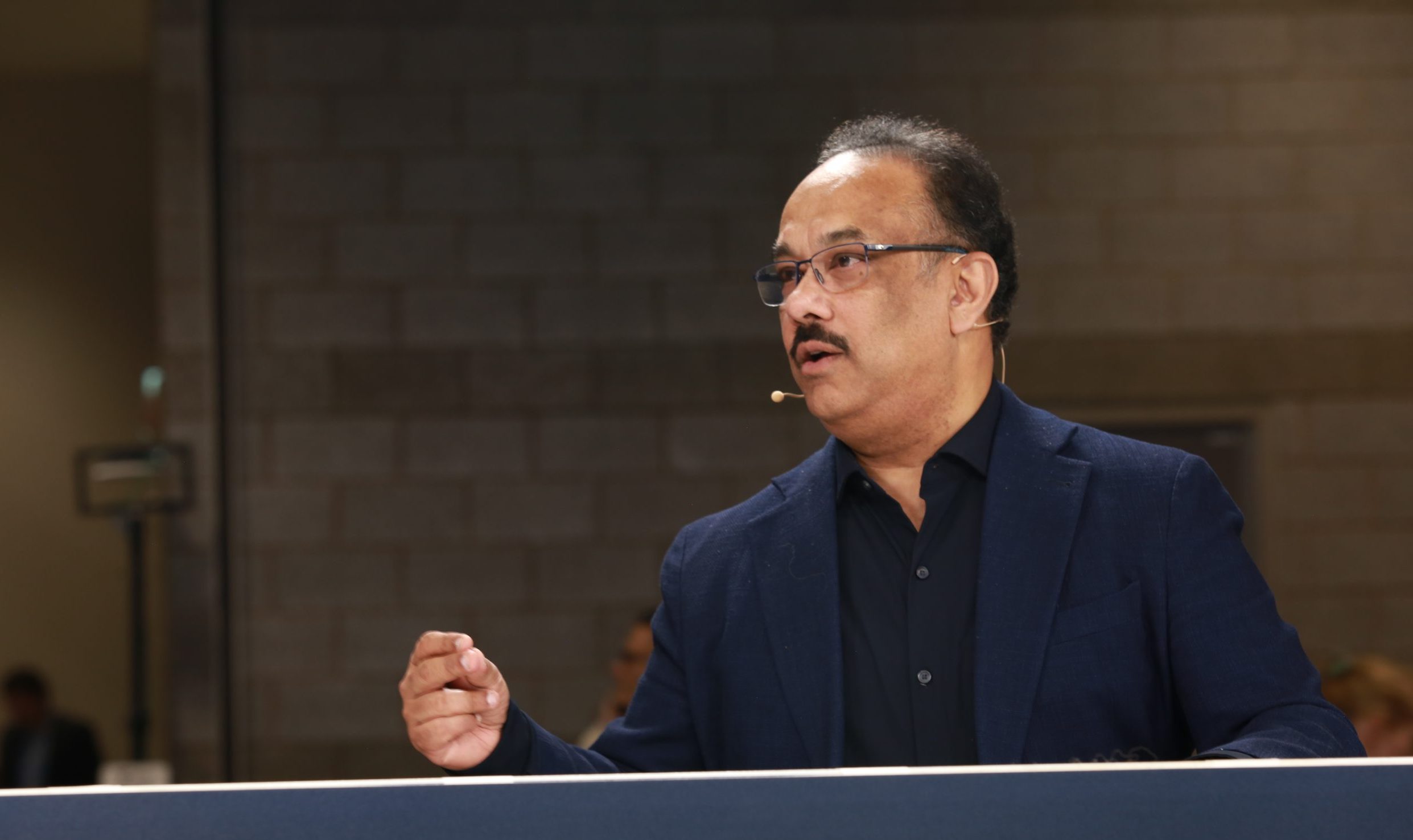
For years, the field faced a trade-off between speed and reliability, because correcting errors inside a quantum computer slowed it down. That trade-off is fading fast, according to Rajeeb Hazra (pictured), chief executive officer of Quantinuum Inc., which listed on the Nasdaq in June.
“We are now at a stage in 2026 where we have the ability to have tremendous amounts of computation at a very high reliability rate,” Hazra said. “Just two weeks ago, we announced we were doing up to a million operations with five errors. To put it in contrast, just two years ago, we were trying to do 1,000 operations with one error. That’s how fast it is.”
Hazra spoke with theCUBE Research’s John Furrier and Gemma Allen at SC26, during an exclusive broadcast on theCUBE, SiliconANGLE Media’s livestreaming studio. They discussed advances in quantum error correction and how AI and quantum computing work in tandem. (* Disclosure below.)
Quantinuum’s 100-qubit Helios system recently set an error-correction record, reaching logical fidelity equivalent to five errors per million operations. The company builds the full stack, from hardware to developer tools, so customers can model problems such as how a drug ages and loses potency, Hazra explained. That positions quantum less as a rival to AI than as a tool AI will lean on for accurate simulation.
“We see AI and quantum working in tandem, or rather AI using quantum computers,” Hazra said. “I don’t think it’s people using quantum computers; it’s AI programming quantum computers to get the data they need to do what AI does best, which is reasoning and prediction.”
Two cloud service providers have already struck deals with Quantinuum, and most of its use-case customers are commercial companies in pharma, energy, chemicals and financial services, Hazra explained. With quantum error correction maturing, the payoff lies in designing materials that release medicine only where the body needs it.
“My view is in five to seven years max, you’re not going to get a prescription for amoxicillin,” Hazra said. “You’re going to get a sheet of paper that basically says this is your pathology. It’ll get matched up at CVS Pharmacy with the available proteins, if you will, and you will get your personalized medicine.”
Here’s the complete video interview, part of SiliconANGLE’s and theCUBE’s coverage of SC26:
(* Disclosure: Quantinuum sponsored this segment of theCUBE. Neither Quantinuum nor other sponsors have editorial control over content on theCUBE or SiliconANGLE.)
Support our mission to keep content open and free by engaging with theCUBE community. Join theCUBE’s Alumni Trust Network, where technology leaders connect, share intelligence and create opportunities.
Founded by tech visionaries John Furrier and Dave Vellante, SiliconANGLE Media has built a dynamic ecosystem of industry-leading digital media brands that reach 15+ million elite tech professionals. Our new proprietary theCUBE AI Video Cloud is breaking ground in audience interaction, leveraging theCUBEai.com neural network to help technology companies make data-driven decisions and stay at the forefront of industry conversations.