 AI
AI



AI

Universities racing to build AI infrastructure are learning that raw compute changes the pace of science itself, from molecular discovery to materials engineering.
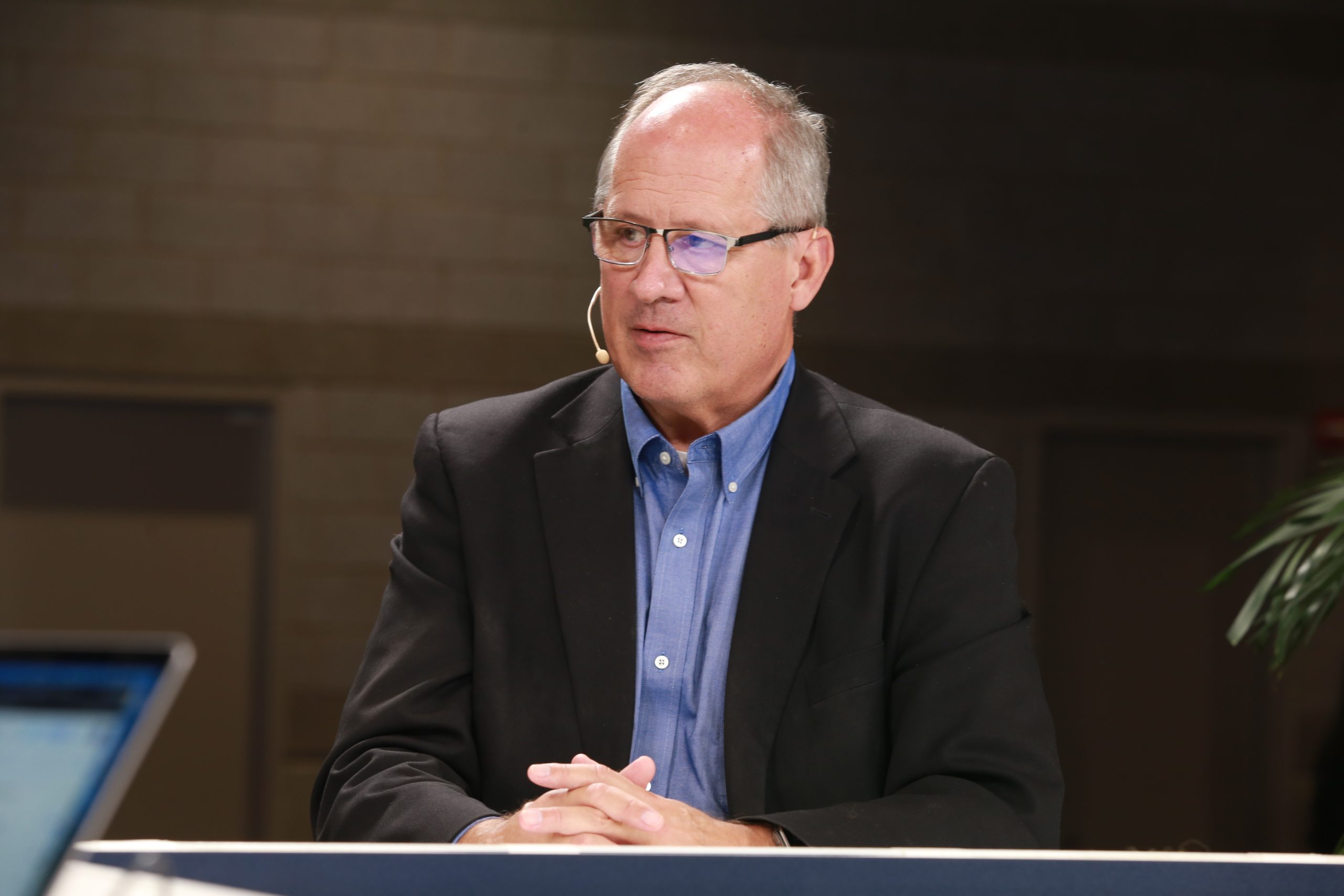
AI and high-performance computing are converging, and campus technology leaders are now building like cloud operators. The Texas A&M University System is standing up two major clusters for researchers across its 12 universities and eight state agencies, according to Vince Kellen (pictured), chief information officer of The Texas A&M University System.
“A lot of it is going to be related to molecules, molecular discovery, and the size of these computers lets researchers go through their research program in a fraction of the time. What would normally take five months now gets done in a week,” Kellen said. “That’s a big deal for the scientists. It lets them do more exploration more frequently.”
Kellen spoke with theCUBE’s Rebecca Knight and Gemma Allen at SC26, during an exclusive broadcast on theCUBE, SiliconANGLE Media’s livestreaming studio. They discussed how the system’s supercomputing clusters are speeding up molecular discovery, the security and operational demands of running them, and the convergence of AI and supercomputing. (* Disclosure below.)
The system’s VISION supercomputer, an Nvidia Corp. DGX H200 SuperPOD, ranked No. 66 on the June 2026 Top500 list, making it the most powerful university supercomputer in the U.S. — with a second cluster on the way, according to Kellen. The Texas A&M Engineering Experiment Station selected Dell Technologies Inc. to build IGNITE, a platform running Advanced Micro Devices Inc. GPUs in an Equinix Inc. data center in Dallas. With some research tied to highly secure federal contracts, protection tops the policy agenda.
“On the policy side, our main concern is security. Are we doing this in a secure way?” Kellen said. “Are we vetting the employees who are coming into the platform to make sure that they’re properly credentialed to come in?”
Texas A&M is working through those access questions as it brings more computing power to researchers across the system, but faster molecular discovery is only the first payoff. Materials engineering, fluid dynamics and other engineering disciplines are next in line, and the system has no plans to slow its buildout, according to Kellen.
“We already know that AI and supercomputing are one and the same,” he said. “That trajectory is going to continue in Texas for some time.”
Here’s the complete video interview, part of SiliconANGLE’s and theCUBE’s coverage of SC26:
(* Disclosure: Dell sponsored this segment of theCUBE. Neither Dell nor other sponsors have editorial control over content on theCUBE or SiliconANGLE.)
Support our mission to keep content open and free by engaging with theCUBE community. Join theCUBE’s Alumni Trust Network, where technology leaders connect, share intelligence and create opportunities.
Founded by tech visionaries John Furrier and Dave Vellante, SiliconANGLE Media has built a dynamic ecosystem of industry-leading digital media brands that reach 15+ million elite tech professionals. Our new proprietary theCUBE AI Video Cloud is breaking ground in audience interaction, leveraging theCUBEai.com neural network to help technology companies make data-driven decisions and stay at the forefront of industry conversations.