 INFRA
INFRA


INFRA

Dell Technologies Inc. and HP Inc. delivered strong earnings and revenue beats as they posted their latest financial results today. However, the companies have very different prospects going forward as they try to come to terms with the diverging fortunes of the artificial intelligence server and personal computer markets they serve.
Dell reported third-quarter adjusted earnings of $9.45 per share on revenue of $54.94 billion, a stunning result that blew past Wall Street’s expectations of just $6.59 per share in earnings and $49.32 billion in sales.
The company’s revenue was up more than double from a year earlier thanks to the sky-high demand for the AI servers and related data center infrastructure equipment it sells. Dell’s Infrastructure Solutions Group delivered sales of $41.97 billion during the quarter, far in excess of the Street’s target of $35.27 billion. Of that, around $22 billion came from direct AI-optimized server sales, the company said. That segment was up 291% annually.
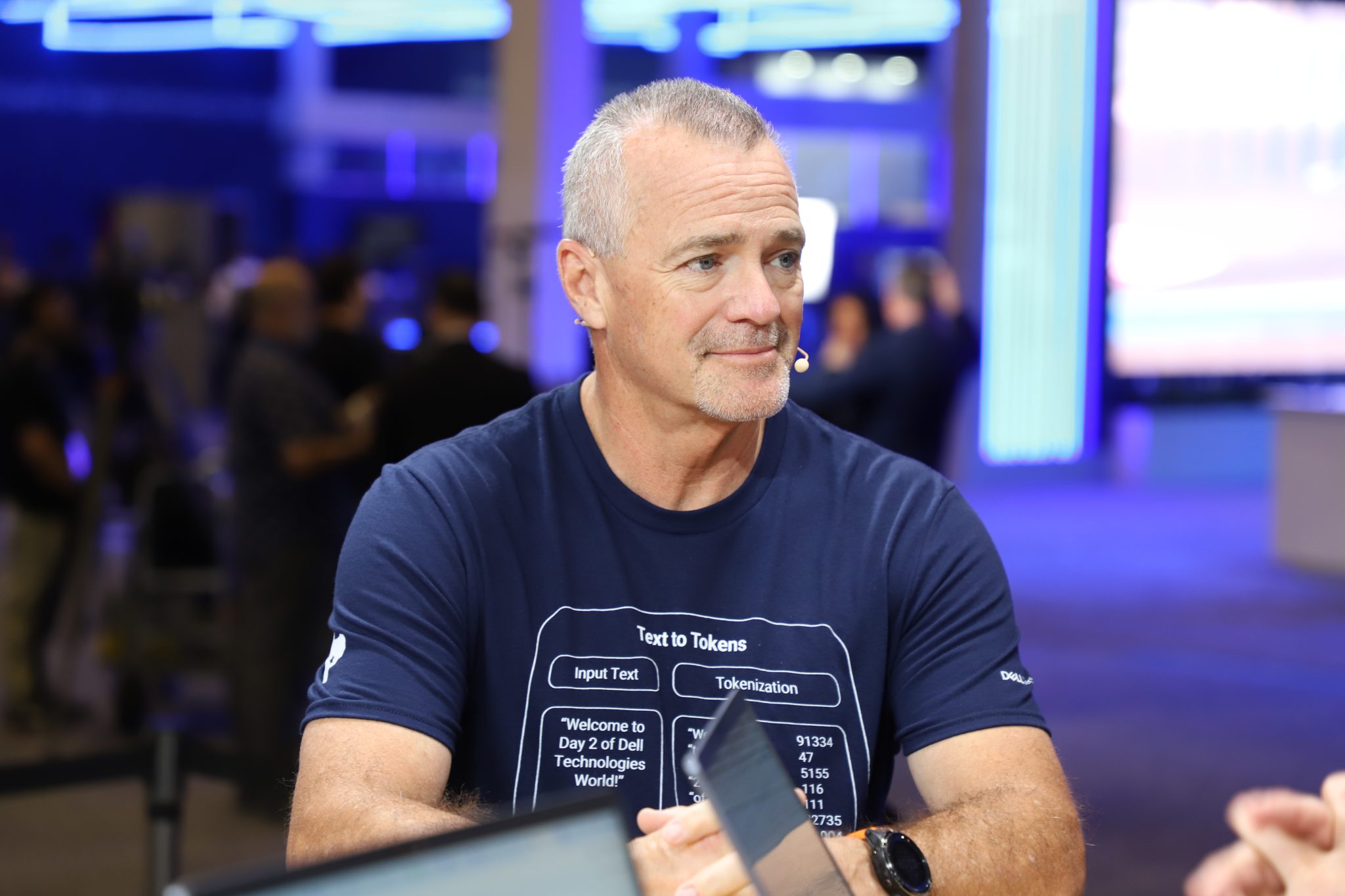
“We are now a different company, with the Infrastructure Solutions Group driving the vast majority of our profit and growth,” said Dell Vice Chairman and Chief Operating Officer Jeff Clarke (pictured). He added that Dell now has more than 7,500 customers buying its AI servers.
Clarke told analysts on a conference call that the company has a significant competitive advantage over its rivals on the software side, which enables customers to get their servers up and running in data centers within hours of taking delivery of them. “That allows customers to convert backlog into revenue sooner and more reliably,” he added.
Dell is raising its forecast for AI servers in the coming fiscal years, and now sees sales rising to a staggering $78 billion, ahead of the Street’s target of $74 billion. At present, the company has an even bigger order backlog of $132.3 billion for AI servers. “Every order is verified for access to capital, end customer quality, trade and export compliance and access to land and power,” Clarke told analysts in response to a question about the reliability of that backlog.
The Street liked what it saw, with Dell’s stock rising more than 3% after hours, putting the brakes on an 11% decline earlier, during the regular trading session.
Besides servers, Dell still has a big business in the PC market. Its Client Services Group was once the company’s biggest segment, but its revenue is now dwarfed by AI server sales. During the quarter, it generated revenue of $12.89 billion, below the Street’s forecast of $14.33 billion.
The reason for that miss is that the global PC market is currently enduring a sharp decline. Last month, Gartner Inc. reported a stunning 22% drop in global PC shipments in the third quarter, citing the increased costs of components such as memory chips, which have led to higher prices and compelled many people to hold onto their older laptops for longer.
 The miserable state of PC sales makes HP’s latest quarterly results seem even more impressive than they were. However, the company’s cautious outlook suggests that its incoming Chief Executive Emma Walmsley (pictured, right) will have her work cut out when she assumes the role full time on January 4, when she’s slated to take over from interim CEO Bruce Broussard.
HP reported fourth-quarter adjusted earnings of 83 cents per share, surpassing the analyst consensus estimate that called for a profit of just 75 cents per share. Revenue for the period came to $16 billion, up 9% and above the Street’s target of $15.4 billion.
HP’s stock briefly surged more than 17% after-hours, before promptly surrendering all of those gains in under an hour. It was down just under a percentage point at the time of writing.
Investors had low expectations of HP given the shoddy state of the PC market. The company has been trying to mitigate the situation somewhat by raising its prices, but it couldn’t stop its profit margins from declining in the quarter.
The market was eagerly anticipating HP’s guidance to try and get a lid on whether or not the PC market has any prospect of recovery in the near future, but the company disappointed by refusing to provide any. All it would say is that it forecasts free cash flow in the current quarter to be around $3 billion, plus or minus $100 million. Analysts are targeting free cash flow of $3.3 billion.
HP hasn’t been helped by the fact that it has been without a CEO since PayPal Holdings Inc. surprisingly swooped to poach its former leader Enrique Lopes in February. Broussard has held the fort for close to nine months now, but the company did at least finally name a successor in Walmsley, who will begin her tenure next year. She formerly led the pharmaceutical giant GSK Plc.
Walmsley has a tough act to follow, however, for Broussard has done rather well in his efforts to cope with the PC market downturn and the higher component costs. Although the stock was up and down today, it’s still up 25% in the year to date.
Support our mission to keep content open and free by engaging with theCUBE community. Join theCUBE’s Alumni Trust Network, where technology leaders connect, share intelligence and create opportunities.
Founded by tech visionaries John Furrier and Dave Vellante, SiliconANGLE Media has built a dynamic ecosystem of industry-leading digital media brands that reach 15+ million elite tech professionals. Our new proprietary theCUBE AI Video Cloud is breaking ground in audience interaction, leveraging theCUBEai.com neural network to help technology companies make data-driven decisions and stay at the forefront of industry conversations.