










 IBM has bet its future on cracking the high growth business cloud services market dominated by Amazon Web Services (AWS). At February’s IBM Pulse 2014, it announced its 100 percent realignment behind this make-or-break effort. At the just completed Impact 2014 it showed that it is turning the corner to become a 21st Century cloud provider.
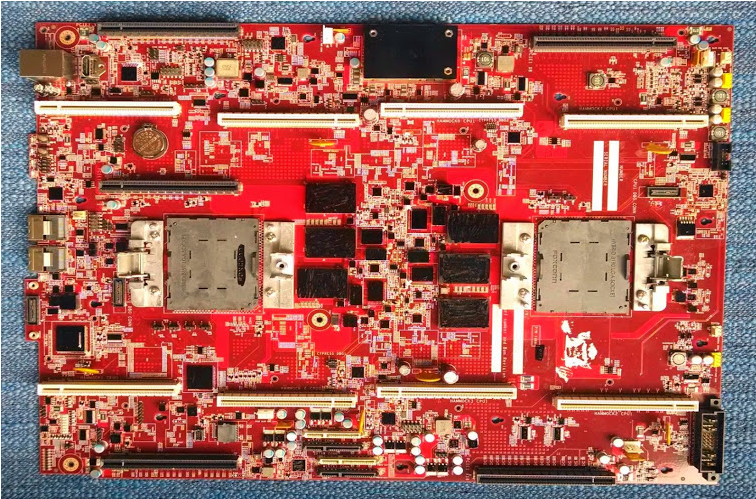
The big surprise of the show came when OpenPower Foundation Chairman and Google Executive Gordon MacKean showed a prototype motherboard combining Power and NVIDIA’s high-performance GPU to which, he announced, Google has ported its software stack.
That is a huge step toward a next-generation hyperscale server based on Power. The Google motherboard (shown above) is not production hardware, and the eventual Power white box servers Google may use will probably be built by OpenPower Foundation member Tyan.
However, later that day, in an interview in TheCUBE, IBM SVP and Group Executive for Software & Systems Steve Mills said, “Power will be part of Google’s configuration. What attracted Google was high performance, excellent threading characteristics, and excellent heat output.” (The video is embedded below).
X
IBM, Mills said, has adopted ARM’s licensing model for Power. That allows developers to work with OpenPOWER at low cost. “You can create your own extensions, and those will be your property. You can donate them back to the Foundation, but you don’t have to.”
Doug Balog, general manager for Power Systems, said in theCUBE that the OpenPower Foundation now has 26 member ranging from Canonical to Rice University. He emphasized that Open Power is not dominated by IBM, which recently released the Power8 architecture and reference design to the Foundation.
He said IBM is on track to complete porting Power and Watson to SoftLayer this quarter. This is part of a two-year, $2.8 billion effort to develop Power8 to support Big Data analysis on Linux and the KVN hypervisor, popular among the hyperscale cloud service providers. He anticipates multiple versions of the Power architecture combining technologies from OpenPower members including Ubuntu, one of the latest companies to join the foundation, to meet the specific needs of different compute loads and environments.
X
The server processor marketplace has compressed down to IBM Power and Intel x86, and the latter is running out of steam, Mills said. More than 100,000 companies use Power servers, and the market is looking for alternatives to x86. “We are going head-to-head after Intel.”
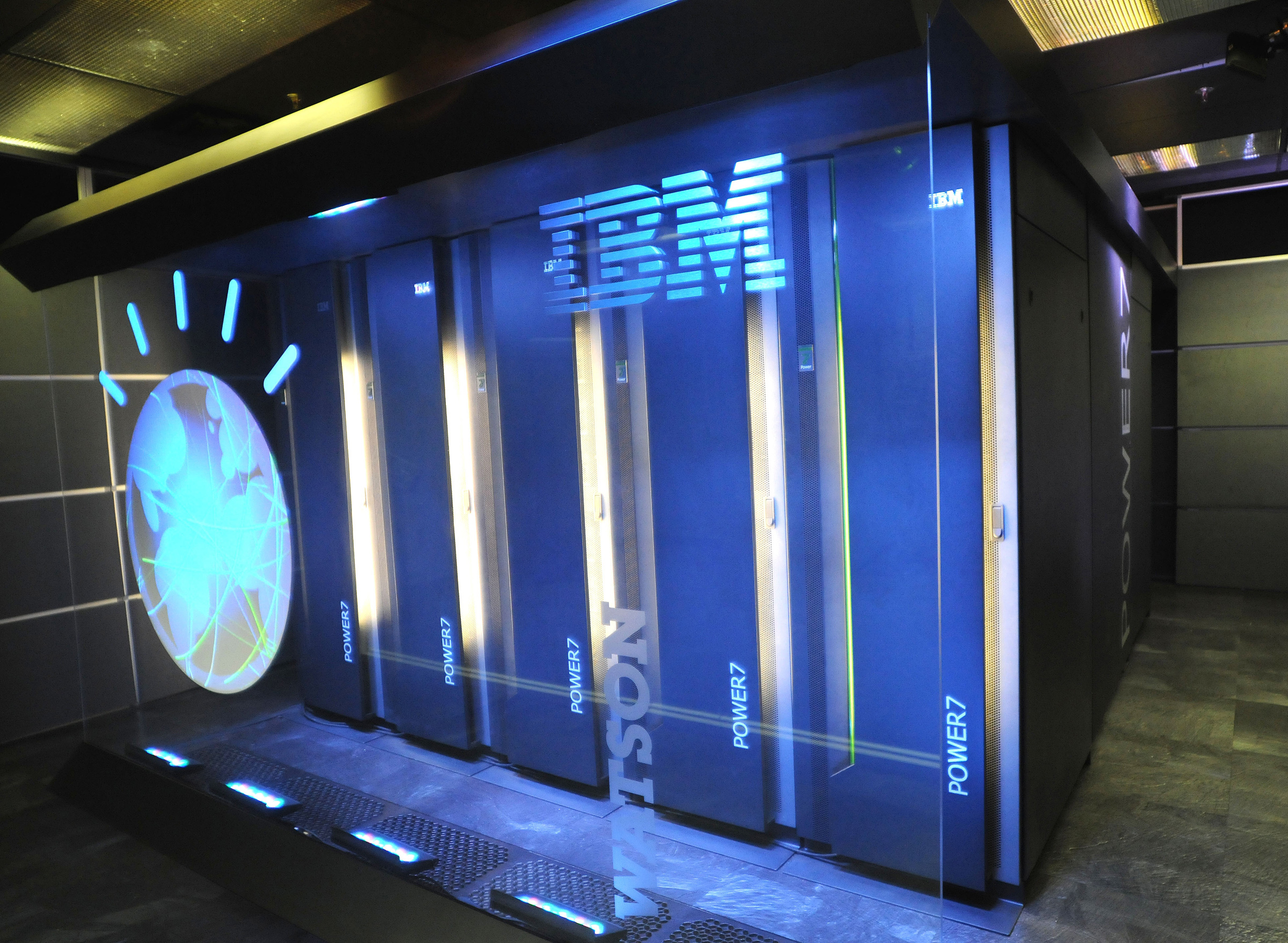
Power is the infrastructure for Watson, and Mills said that once servers combining the Power CPU with the Nvidia GPU become available later this year, IBM will optimize Watson to use the GPU to increase performance.
IBM also recently announced yet more acquisitions in the cloud arena. When SiliconAngle CEO John Furrier asked Mills if he wished IBM SoftLayer had customers like Netflix, which runs on AWS, Mills pointed out that IBM just purchased Aspera, the point-to-multipoint platform Netflix uses to connect to customers. Mills also said that SoftLayer supports more URLs than AWS, implying that IBM has more independent service providers running on its platform.
X
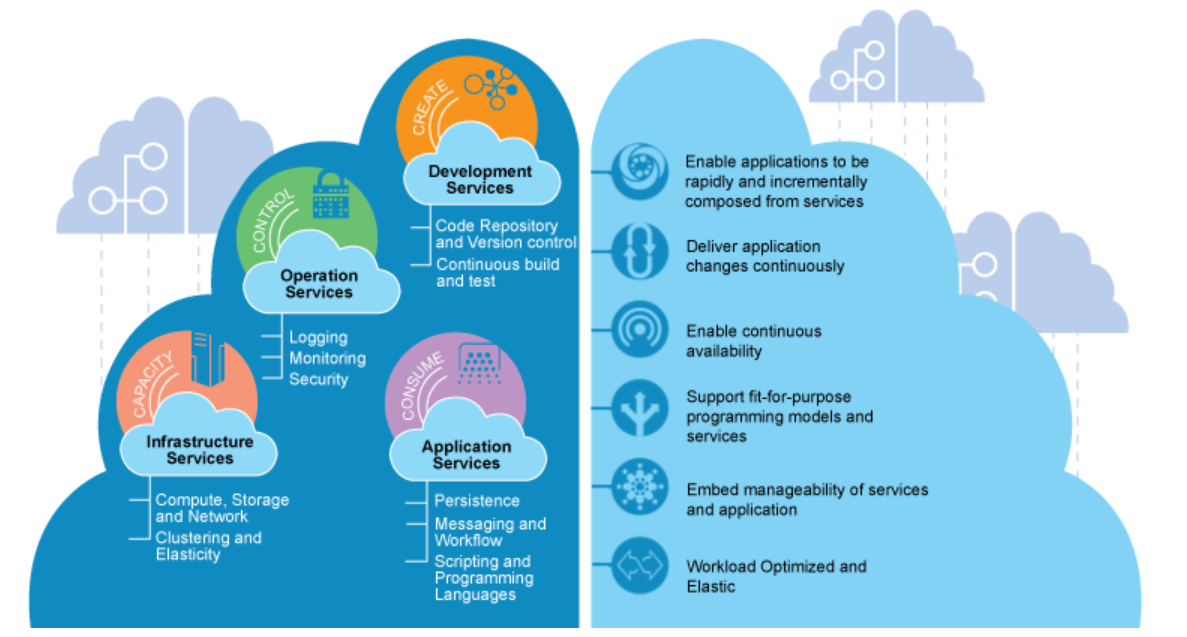 The second big announcement of the conference was the IBM Cloud marketplace. Watson and other Power-based platforms and services will be available in the marketplace, as will BlueMix, IBM’s Platform-as-a-Service (PaaS) for developers.
BlueMix is developing much faster than IBM expected when it was announced at Pulse, with 30 new additions at Impact, said BlueMix Marketing Direction Meg Swanson on theCUBE.
The initial focus of BlueMix has been “figuring out how developers are working today and building a platform and packaging services to support them.” New announcements included:
IBM has seen rapid adoption of BlueMix from WebSphere customers, she said. BlueMix includes services that make porting applications developed on WebSphere and translating skills developed on WebSphere to BlueMix easy. It also now has services such as plug-in mobile payment capabilities from Twilio and Square. This is important since often the platform developers use is where the applications they build are run in production.
x
This is a bet-the-business situation for IBM. While AWS is seeing tremendous growth as companies put new cloud-based applications into production, the traditional vendors including IBM are all seeing slow growth. So the news from Impact, added to the figures IBM released last week showing double-digit quarterly revenue increase from Softlayer for the past five quarters, indicates that cloud services are its future growth market. While today’s growth is a fraction of what AWS is seeing, Amazon created this new market and has an eight-year lead. IBM is just getting going, and its momentum is growing. And the market is still very young with plenty of growth ahead for multiple providers. So while it is feeling pressure from investors today, IBM has reason for optimism for the future.
Steve Mills on TheCUBE from IBM Impact 2014.
Support our mission to keep content open and free by engaging with theCUBE community. Join theCUBE’s Alumni Trust Network, where technology leaders connect, share intelligence and create opportunities.
Founded by tech visionaries John Furrier and Dave Vellante, SiliconANGLE Media has built a dynamic ecosystem of industry-leading digital media brands that reach 15+ million elite tech professionals. Our new proprietary theCUBE AI Video Cloud is breaking ground in audience interaction, leveraging theCUBEai.com neural network to help technology companies make data-driven decisions and stay at the forefront of industry conversations.