 WIKIBON
WIKIBON
WIKIBON






WIKIBON

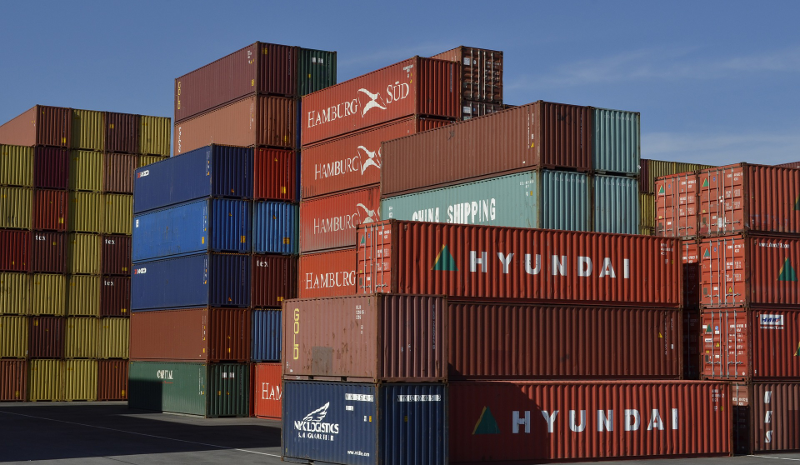
The efficiency of Docker lends itself well to the requirements of the massively scalable applications that developers are building in the public cloud, but the benefits don’t come automatically. At least, not yet. Google Inc. is actively working to change the situation with its managed container service, which is receiving a major update this week that removes more of the barriers standing in the way of realizing the technology’s full potential.
Many of the new features are borrowed from the most recent release of Kubernetes, the free orchestration framework that the search giant released last year to simplify the management of large Docker deployments. It’s the basis for the automation capabilities in the Google Container Service, enabling users to have work distributed among the individual components with minimal manual input. The update introduces the ability to maintain that hands-off control even during unexpected usage spikes that require provisioning additional resources from the search giant’s platform.
The underlying Kubernetes implementation calculates how much extra computational power to allocate and makes the necessary adjustments to the deployment, while a new load balancer handles the traffic increases that often accompany such surges. The addition is part of a broader upgrade to the networking system of the Google Container Service that promises to reduce latency by up to 40 percent in certain situations. As a result, end-users should be able to access services faster while the developers working behind the scene will gain the ability to carry out their work more smoothly.
The update makes the platform much better suited for running large-scale Docker deployments, strengthening one of the search giant’s main competitive advantages over Microsoft Corp. and Amazon Inc. in the public cloud. The release of Kubernetes to the open-source community last June marked the first major entry into the container world from a top infrastructure-as-a-service vendor and Google has continuously worked to maintain its lead ever since with additions like this week’s update. Many more will likely follow in the coming months judging by the rate it’s been churning out new features so far.
Support our mission to keep content open and free by engaging with theCUBE community. Join theCUBE’s Alumni Trust Network, where technology leaders connect, share intelligence and create opportunities.
Founded by tech visionaries John Furrier and Dave Vellante, SiliconANGLE Media has built a dynamic ecosystem of industry-leading digital media brands that reach 15+ million elite tech professionals. Our new proprietary theCUBE AI Video Cloud is breaking ground in audience interaction, leveraging theCUBEai.com neural network to help technology companies make data-driven decisions and stay at the forefront of industry conversations.