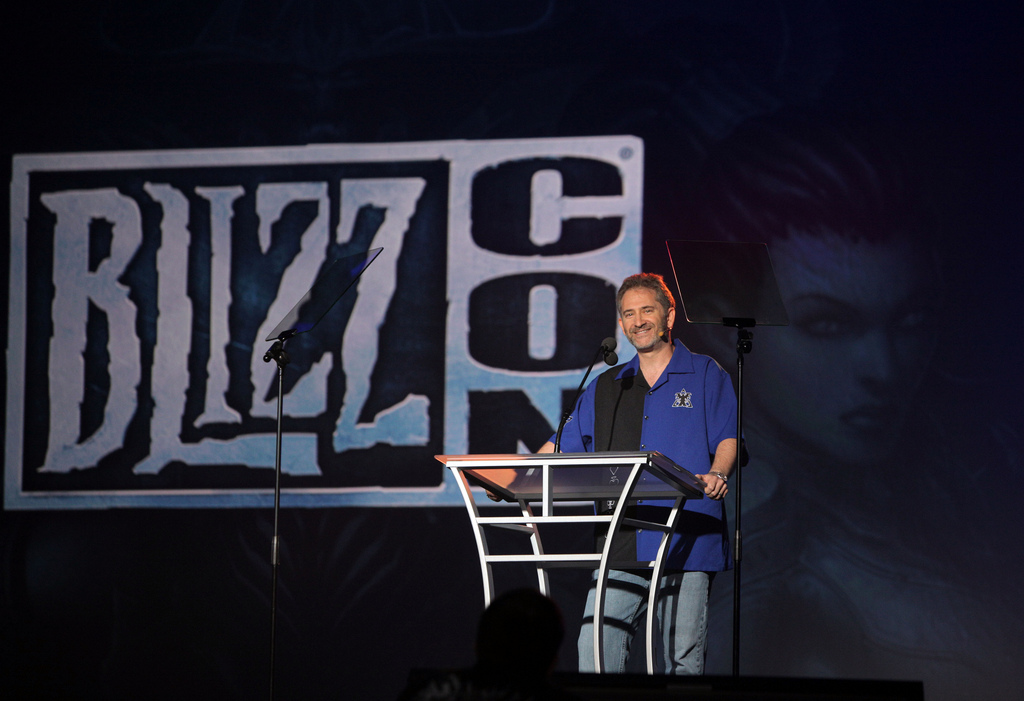


Warcraft and StarCraft creator Blizzard Entertainment Inc turned 25 years old this week, and in a recent interview with GamesBeat, co-founder and CEO Mike Morhaime looked back on how the studio got to where it is today, as well as the design philosophies it has always tried to follow.
When asked whether Blizzard intentionally set out to make accessible games in traditionally hardcore genres, Morhaim explained that the studio wants its games to be easy to pick up yet also full of complexity.
“We do always approach our games from a standpoint of—We’re trying to make these games for everyone, even if they’re not already familiar with a genre, and especially if they’re not already an expert at the genre,” Morhaime told GamesBeat. “We want anybody to be able to play a Blizzard game and have the tools they need to enjoy it. We apply that to everything we do.”
“It’s part of our values – easy to learn, difficult to master. Having something that is easy to learn doesn’t mean that it doesn’t have depth. It can still have depth. You just don’t have to throw all the depth at the player when they first sit down.”
One of the more recent examples of this philosophy is Blizzard’s successful digital collectible card game (CCG), Hearthstone: Heroes of Warcraft. Compared to many older CCGs like Magic: The Gathering, Hearthstone is relatively simple to pick up and start playing almost immediately.
When you create a new Hearthstone account, the game starts you off with only one class, Mage, and it guides you through a short and rather seamless tutorial that gradually introduces you to core concepts of the game, including how mana is earned and spent, how to play minions and spells, and how to use a combination of cards to defend yourself and attack your opponent.
After getting through the tutorial, players can unlock other classes by beating each of them while playing against an AI player. As players earn more experience with each class, they also gradually unlock all of their basic cards, giving them more tools and added complexity as they progress. They also have the opportunity to earn a few free card packs along the way.
After that, however, Hearthstone basically releases players into the wild to fend for themselves, which is where the real complexity of the game sets in.
You can read the full interview with Morhaime at GamesBeat.
Support our mission to keep content open and free by engaging with theCUBE community. Join theCUBE’s Alumni Trust Network, where technology leaders connect, share intelligence and create opportunities.
Founded by tech visionaries John Furrier and Dave Vellante, SiliconANGLE Media has built a dynamic ecosystem of industry-leading digital media brands that reach 15+ million elite tech professionals. Our new proprietary theCUBE AI Video Cloud is breaking ground in audience interaction, leveraging theCUBEai.com neural network to help technology companies make data-driven decisions and stay at the forefront of industry conversations.