 BIG DATA
BIG DATA
BIG DATA


BIG DATA

Computers that can see, vastly improved language translation and the disappearance of the traditional app search box: Those are among the list of predictions in tech for the next decade that Microsoft Corp.’s research department has offered up.
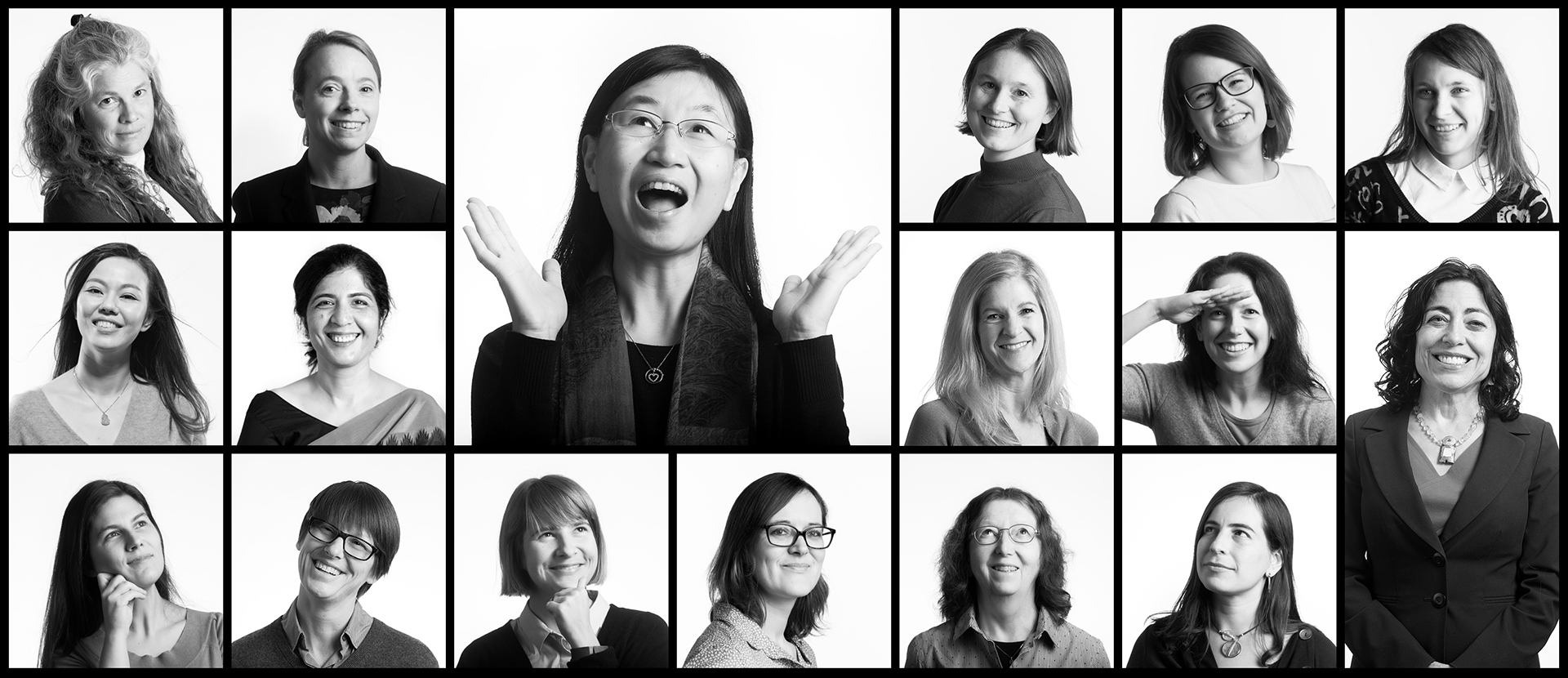
But if those predictions aren’t entirely surprising, their origin is unique: Microsoft specifically asked its top 17 women researchers how they think technology will change between now and 2027.
Microsoft Research made its forecasts to coincide with the Microsoft Computer Science Education Week, but just as important, the company used the occasion to make a point about gender equality. It noted that while females represent around 50 percent of the world’s population, they form only 20 percent of the world’s computer science graduates. One of the reasons most often cited for this shortfall is the lack of female role models in science, technology, engineering and math subjects, or STEM. These predictions are intended to help provide more of a voice to women in tech.
One of the most interesting predictions came from Susan Dumais, who reckons that the search box will vanish from interfaces within the next decade. Instead, it will be replaced by automatic search functionality that’s “ubiquitous, embedded and contextually sensitive,” Dumais said. This kind of functionality is already offered by devices such as Google Home and Amazon Echo, which allow users to search using voice queries. Dumais explained that search interfaces of the future will also be able to understand the context of people’s queries, determining what you mean based on your location, what activity you’re doing and the people you’re with.
A second interesting prediction is the idea that computers will soon be able to “see” their surrounding environment. Xiaoyan Sun suggests that advances in deep learning and imaging technology will make it possible to create artificial eyes for machines. These would allow computers to become a more effective assistant for a variety of professions, including in healthcare and security, Sun added.
Advances in deep learning will also lead to the creation of fairer, more accountable algorithms, said distinguished scientist Jennifer Chayes. Today’s deep learning mechanisms are not always that reliable, as they sometimes create the same data discriminations as people do. But within next 10 years, engineers will have built algorithms that are able to avoid biases and manipulation, creating much more robust systems.
Another area of AI that will make great strides forward is cognitive computing, according to Microsoft researcher Kalika Bali. Advances here will allow for next-generation natural language processing systems to talk with humans “relatively effortlessly,” she said. Soon, computers will even be able to negotiate or debate with humans and engage in social situations, leading to the creation of “culturally aware AI.”
Microsoft Research also looked at the future impact of something called “biological computation,” which it defines as the understanding and programming of information processing in biological systems. Advances here could lead to “entirely new industries and applications in areas ranging from agriculture and medicine to energy, materials and computing,” writes U.K.-based scientist Sara-Jane Dunn.
Microsoft’s full list of predictions can be seen here. It looks at future advances in mobile computing and virtual reality, among other trends.
Support our mission to keep content open and free by engaging with theCUBE community. Join theCUBE’s Alumni Trust Network, where technology leaders connect, share intelligence and create opportunities.
Founded by tech visionaries John Furrier and Dave Vellante, SiliconANGLE Media has built a dynamic ecosystem of industry-leading digital media brands that reach 15+ million elite tech professionals. Our new proprietary theCUBE AI Video Cloud is breaking ground in audience interaction, leveraging theCUBEai.com neural network to help technology companies make data-driven decisions and stay at the forefront of industry conversations.