 CLOUD
CLOUD
CLOUD
CLOUD



CLOUD

When it comes to cloud, most industry insiders refer to the “Big Three”: Amazon Web Services, Microsoft Azure and the Google Cloud Platform. And as AWS leads the way for enterprise cloud, Google Cloud Executive Vice President Diane Green has made a commitment to put the pedal to the metal and smash some industry perceptions.
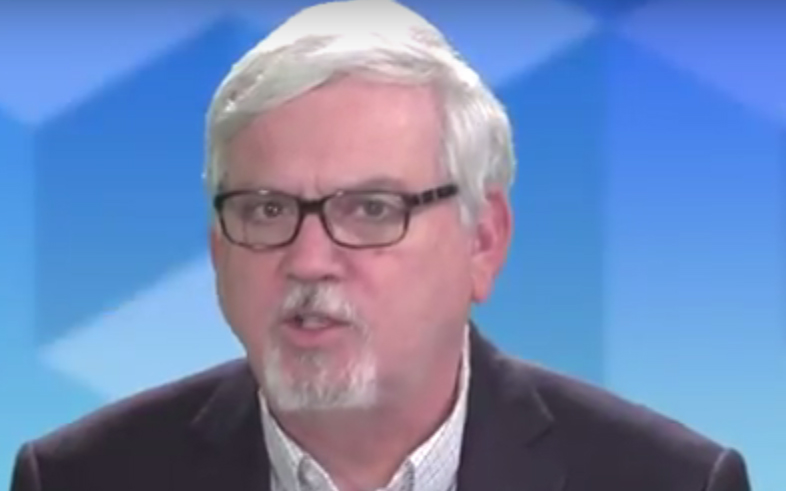
“The thing that’s interesting is that it’s [Google Cloud Platform] more than Infrastructure as a Service. The kinds of APIs and apps and everything that they are bringing … this is Google developed, Google proprietary technology that they’re turning to the external world to use. And its really sophisticated stuff in there,” said Marc Farley (pictured), producer at Vulcancast.com.
Farley joined Stu Miniman (@stu), host of theCUBE, SiliconANGLE Media’s mobile live streaming studio, at SiliconANGLE’s Palo Alto, CA, studio during the Google Cloud Next event to discuss Google’s niche in the cloud industry.
When it comes to the enterprise market, Farley is impressed by the way Google, considered consumer-centric, has figured out how to use its available assets and apply it to the enterprise. He asserted that technology found in many of the company’s applications, such as YouTube, could add value to the enterprise offerings.
“Google is showing that they put their foot down and they’re they’re serious about this business. They made this commitment, and we sort of give lip-service a little bit to the ‘Big Three.’ We got Azure. We got Amazon, and then there’s Google. I think every year Google does more, and they’re proving themselves as a more capable cloud service provider,” said Farley.
Acknowledging that each company has different clouds with different strengths, Farley insisted that Google has the most computer science behind it. “Google is going to have a lot more capability in machine learning then I think what you’re going to see out of Amazon. Ever,” he said.
As for Microsoft, Farley believes the company needs to figure out how they’re going to try to catch up. “Machine learning is going to happen, and when it happens, it’s going to come from Google,” Farley commented.
Watch the complete video interview below, and be sure to check out more of SiliconANGLE’s and theCUBE’s coverage of Google Cloud Next 2017. (*Disclosure: Some segments on SiliconANGLE Media’s theCUBE are sponsored. Sponsors have no editorial control over content on theCUBE or SiliconANGLE.)
Support our mission to keep content open and free by engaging with theCUBE community. Join theCUBE’s Alumni Trust Network, where technology leaders connect, share intelligence and create opportunities.
Founded by tech visionaries John Furrier and Dave Vellante, SiliconANGLE Media has built a dynamic ecosystem of industry-leading digital media brands that reach 15+ million elite tech professionals. Our new proprietary theCUBE AI Video Cloud is breaking ground in audience interaction, leveraging theCUBEai.com neural network to help technology companies make data-driven decisions and stay at the forefront of industry conversations.