 EMERGING TECH
EMERGING TECH
EMERGING TECH


EMERGING TECH

Qualcomm Inc. is stepping up its effort to target connected devices today with the introduction of a new chip series specifically built for the “internet of things.”
The Vision Intelligence Platform lineup, as it’s called, is geared toward systems that require the ability to process visual information. This includes internet-connected cameras, the emerging category of devices known as smart displays and robots that must see the other objects in their environments to avoid collisions.
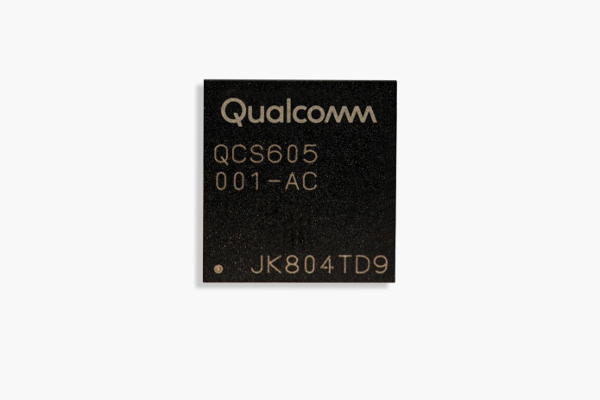
The first two chips in the lineup are the QCS605 and QCS603 system-on-chip models. They combine a multicore central processing unit based on a design from ARM Holdings plc with an image sensor for capturing video, plus the Qualcomm AI Engine. The latter module consists of several hardware and software components that enable manufacturers to incorporate artificial intelligence into their devices.
Qualcomm said the chips can handle up to 2.1 trillion operations per second at inference, the process by which an AI model processes data. Manufacturers can harness this computational power for a variety of applications. An industrial robot maker might implement a neural network that helps its systems stay out of the way of human workers, while a smart camera could build software for automatically generating video highlight reels.
Qualcomm has prebuilt many common media processing functions into the new chips. The company said the integration can reduce power requirements and make it easier for hardware makers to develop embedded software.
For manufacturers that wish to go a step further, the chip series also provides features for processing audio. Qualcomm said the processors can support AI use cases such as speech recognition for systems that require the ability to hear as well as see.
The fact that the Vision Intelligence Platform series was purpose-built for connected devices represents something of an evolution in the company’s IoT strategy. Before, the chips that Qualcomm marketed toward connected devices were mostly customized versions of its Snapdragon mobile processors.
Seshu Madhavapeddy, the company’s vice president of product management, told TechCrunch that the change is the result of Qualcomm reaching a “critical mass of business in IoT.” In other words, it seems that the chipmaker’s long-running effort to establish a foothold in this market is bearing fruit. The new QCS605 and QCS603 chips should only add to the momentum.
Support our mission to keep content open and free by engaging with theCUBE community. Join theCUBE’s Alumni Trust Network, where technology leaders connect, share intelligence and create opportunities.
Founded by tech visionaries John Furrier and Dave Vellante, SiliconANGLE Media has built a dynamic ecosystem of industry-leading digital media brands that reach 15+ million elite tech professionals. Our new proprietary theCUBE AI Video Cloud is breaking ground in audience interaction, leveraging theCUBEai.com neural network to help technology companies make data-driven decisions and stay at the forefront of industry conversations.