 SECURITY
SECURITY
SECURITY


SECURITY

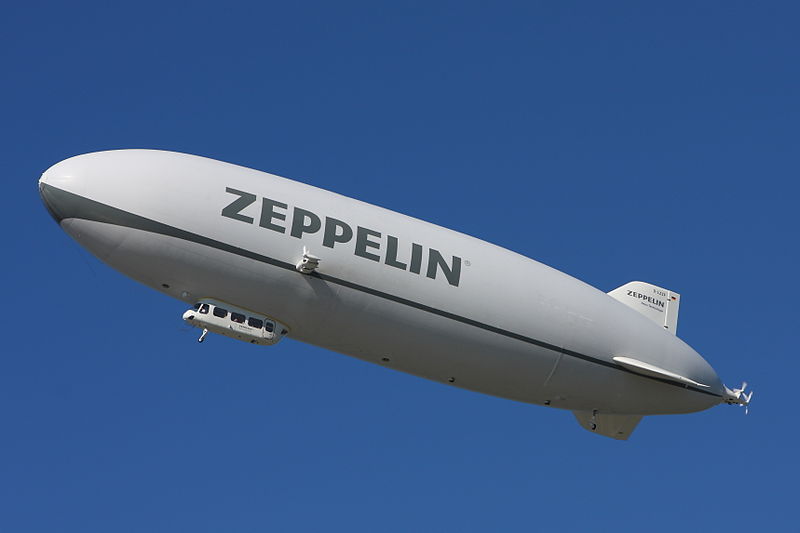
A new form of ransomware called Zeppelin is targeting tech and health companies in a campaign that has security experts worried if it spreads further afield.
Zeppelin is a variant on the Vega ransomware family and is being advertised on Russian websites as an attack-as-a-service offering. According to a report today by the Cylance Threat Research Team, the ransomware has been designed to have a broad reach and has been detected targeting tech and healthcare companies in Europe and the U.S.
Described as “highly configurable,” Zeppelin can be deployed in multiple ways, including as an .exe file or a .dll file or wrapped in a PowerShell loader. The ransomware comes with a variety of features, including an IP logger, the ability to delete backups, a task killer, auto-unlock, a user account control prompt and a “melt” function that can inject a self-deletion thread into Windows Notepad.
Worse, some of the binaries detected were signed with a valid certificate and hosted on GitHub. The origin of Zeppelin is believed to be Russia or a similar former Soviet-block country because the ransomware has been designed to quit running on machines that are based in the former USSR.
As is typical with ransomware, Zeppelin encrypts files and demands a ransom payment. The ransomware “employs a standard combination of symmetric file encryption with randomly generated keys for each file (AES-256 in CBC mode), and asymmetric encryption used to protect the session key (using a custom RSA implementation, possibly developed in-house),” the researchers detailed.
Matthew Gardiner, director of enterprise security at cloud-based email cybersecurity firm Mimecast Ltd., told SiliconANGLE that the sophistication, as-a-service nature and hyper-targeting of the Zeppelin ransomware strain shows that the industrialization of cybercrime continues to evolve rapidly.
“As long as potentially targeted organizations continue to operate with minimal preventive security systems, limited security understanding of employees and weak backup and recovery systems and processes, they will remain vulnerable to financially focused cybercriminals and their ransomware-enabled campaigns,” Gardiner said. “Cybercriminals will leverage the easiest and most reliable system for the delivery of their ransomware malware.”
Unfortunately, he added, attackers have many delivery vehicles at their disposal, including so-called malvertising and watering hole attacks on specific web sites. “There is no doubt, though, that they or other groups will expand their delivery to include phishing, brand impersonating web sites and infiltrating the automated software updates of legitimate software providers,” he warned.
Support our mission to keep content open and free by engaging with theCUBE community. Join theCUBE’s Alumni Trust Network, where technology leaders connect, share intelligence and create opportunities.
Founded by tech visionaries John Furrier and Dave Vellante, SiliconANGLE Media has built a dynamic ecosystem of industry-leading digital media brands that reach 15+ million elite tech professionals. Our new proprietary theCUBE AI Video Cloud is breaking ground in audience interaction, leveraging theCUBEai.com neural network to help technology companies make data-driven decisions and stay at the forefront of industry conversations.