 INFRA
INFRA
INFRA
INFRA






INFRA

AI is becoming the operational foundation of the digital economy, but building AI factory infrastructure that works for the enterprise remains an unsolved challenge for most organizations.
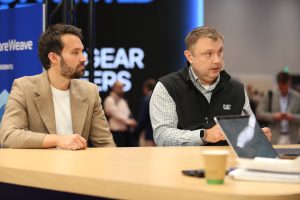
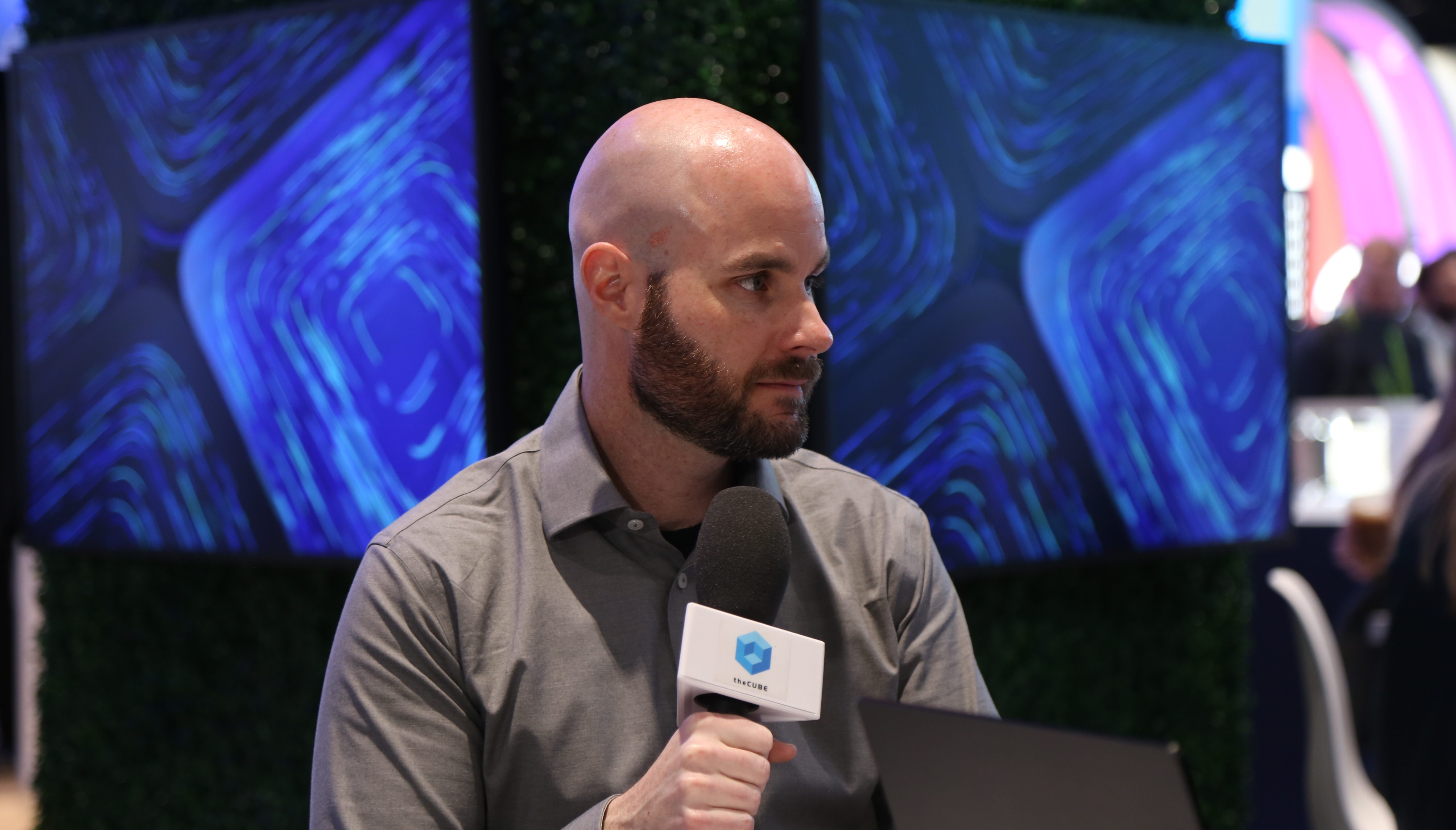
As AI factory infrastructure investment is predicted to approach $1 trillion over the coming decade, enterprises face a disconnect between acquiring accelerated computing hardware and actually putting it to productive use. Bridging that gap requires more than chips — it demands end-to-end physical and logical integration, according to Josh Perkins (pictured), vice president of emerging technologies at Ahead Inc.
“The AI factory metaphor is really sound, and that the idea of data in and tokens out [is] really, really critical. But where we think it maybe falls short … is because it still needs to be built,” Perkins told theCUBE. “It’s not just about the tokens, it’s about the consumability and composability of that whole piece.”
Perkins spoke with theCUBE’s Gemma Allen at the Nvidia GTC AI Conference & Expo, during an exclusive broadcast on theCUBE, SiliconANGLE Media’s livestreaming studio. They discussed enterprise AI factory infrastructure, the role of full-stack integration in scaling AI and the pace of adoption across regulated industries. (* Disclosure below.)
Ahead is backing its own “factory behind the factory” positioning with physical investment. The company recently announced the opening of a 10-megawatt, liquid-cooled rack integration facility on its Libertyville, Illinois, campus — its third site in the Chicago area — purpose-built for high-density AI and high-performance computing workloads. The Foundry ecosystem is also expanding internationally into the United Kingdom and eventually into Asia Pacific, Perkins noted.
“We wanted to make sure that we could not only build kind of what [customers are] currently doing, but support them through the test build and performance benchmarking and deeper levels of integration, as the entirety of the ecosystem ultimately trends in that direction,” he said.
The real bottleneck, however, is not hardware acquisition but organizational readiness. Enterprises with a culture of experimentation and deep engineering talent are making the fastest progress, particularly in capital markets, banking and biopharma. For many of Ahead’s clients — which make up almost 70% of the company’s business — AI is now an existential narrative, Perkins explained.
“It takes a long time to get to use case one. It takes slightly less to get to use cases two and three, and meaningfully less to get to use case 50 to N,” he said. “Our customers that we started this [for] years ago … now look at this as a material impact to their revenue, to their [full-time equivalents] — not in the sense that they want to reduce their headcount, but they view it as a scaling mechanism.”
Here’s the complete video interview, part of SiliconANGLE’s and theCUBE’s coverage of the Nvidia GTC AI Conference & Expo:
(* Disclosure: Ahead sponsored this segment of theCUBE. Neither Ahead nor other sponsors have editorial control over content on theCUBE or SiliconANGLE.)
Support our mission to keep content open and free by engaging with theCUBE community. Join theCUBE’s Alumni Trust Network, where technology leaders connect, share intelligence and create opportunities.
Founded by tech visionaries John Furrier and Dave Vellante, SiliconANGLE Media has built a dynamic ecosystem of industry-leading digital media brands that reach 15+ million elite tech professionals. Our new proprietary theCUBE AI Video Cloud is breaking ground in audience interaction, leveraging theCUBEai.com neural network to help technology companies make data-driven decisions and stay at the forefront of industry conversations.