 AI
AI
AI
AI



AI

The race to capture tangible AI value – and to extract a genuine return on investment – has officially moved from isolated experiments to the core of enterprise operations.
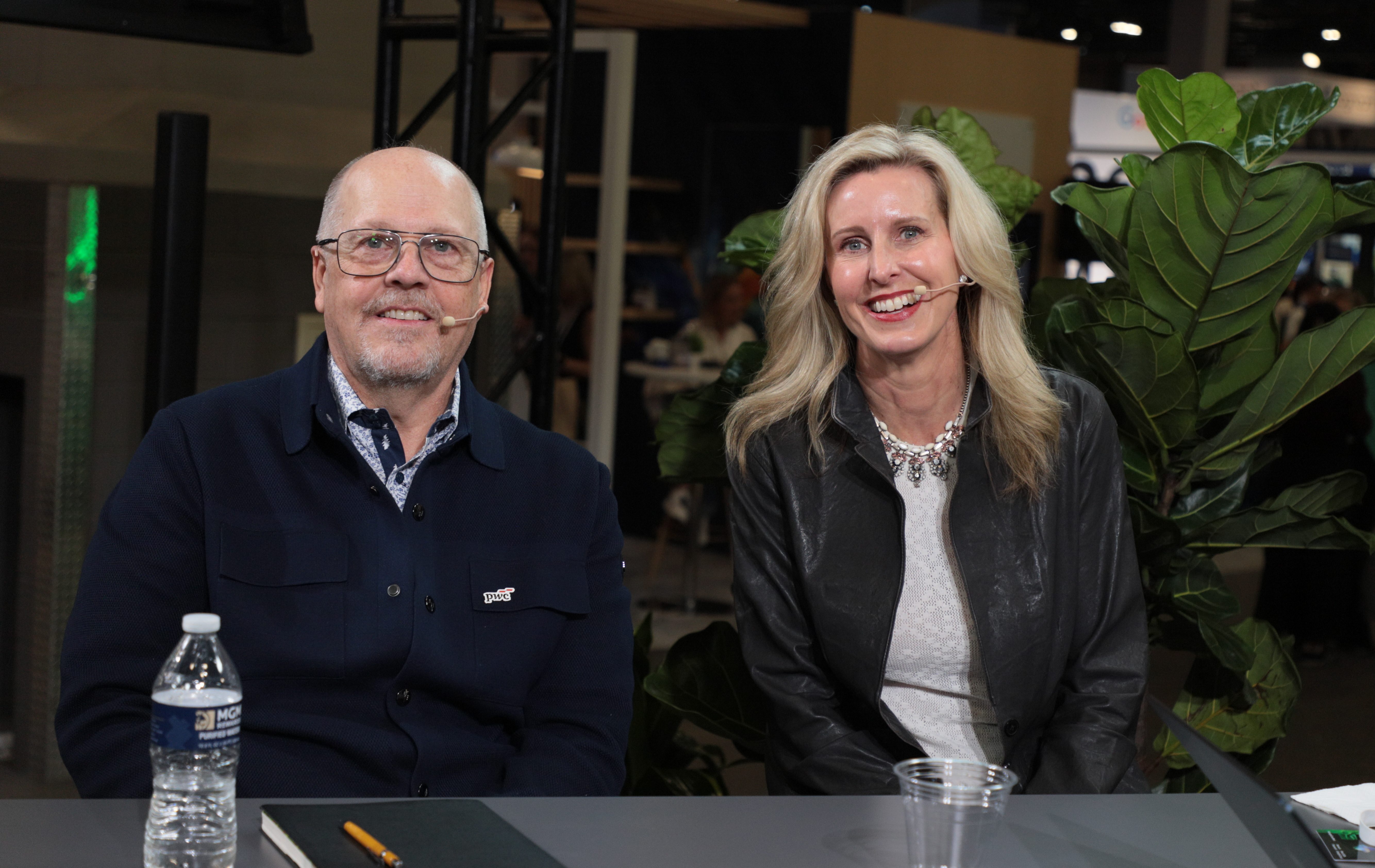
As enterprises turn to agentic solutions to solve business problems, success now hinges on striking a balance between rapid deployment and unwavering trust. That balance is critical because once an organization loses belief in the technology due to poor outcomes, it becomes significantly harder to maintain the cultural momentum necessary for a successful digital transformation, according to Mike Thiessen (pictured, left), U.S. chief clients and markets officer at PricewaterhouseCoopers LLP.
“It comes back to trust and governance,” Thiessen said. “We’re getting asked, ‘How do you set up a framework to make sure that you know what people are using [AI] for, that it’s trustworthy and that everybody’s doing what we want them to do?’”
Thiessen and Rebecca Potts (right), director of North American strategic industries and partner sales at Google LLC, spoke with theCUBE’s John Furrier and co-host Alison Kosik at Google Cloud Next, during an exclusive interview on theCUBE, SiliconANGLE Media’s livestreaming studio. They discussed the transition from generic AI to industry-specific agents and how leadership attitude drives AI value. (* Disclosure below.)
To overcome the hurdle of skepticism, Google is increasingly utilizing engineers to create “show me, don’t tell me” scenarios for customers, according to Potts. That effort is now formalized: PwC recently announced a dedicated Google Cloud AI Center of Excellence, structured around specialized technical talent embedded directly into client initiatives to reduce the friction of adopting complex architecture and accelerate time to AI value. These engineers develop specific agents within a week or two, using a company’s own data to prove that the technology works in their unique environment.
“What our customers really want to see is they want to see a use case that works and that will solve a particular industry-focused problem in their business,” she said. “We leverage forward-deployed engineers to go develop an agent that solves a particular problem that our customer is facing — to build with their data and with their context — to show them that the technology works in their environment and to go build that trust.”
That trust-building approach allows businesses to move faster in the sales cycle and pivot quickly if a particular use case does not meet expectations, Potts noted. That’s particularly important as C-suite pressure to demonstrate AI returns reaches a fever pitch.
“Once you’ve done that, beyond the trust element, we’re leveraging these resources to also help with speed in the sales cycle because they are able to produce these agents within, call it a week or two, in many cases,” she said. “That enables us to all move faster, and know that in today’s market, it is really all about speed and agility.”
Chief financial officers and chief operating officers are now driving the agenda, focusing on the unit economics and the “make-versus-buy” decisions associated with large-scale automation. But whether a company builds its own distinctive capabilities or leases a technology partner’s solution, the goal remains the same — and the stakes could not be higher for leaders who fail to engage, according to Thiessen. The differentiator is attitude: the willingness to use the technology, lead by example and stay ahead of those who will.
“I heard from [an executive], ‘You shouldn’t worry about AI replacing your job — you should worry about somebody who uses AI better than you replacing you,'” he said. “We can solve previously unsolvable problems as long as we do it responsibly.”
Here’s the complete video interview, part of SiliconANGLE’s and theCUBE’s coverage of Google Cloud Next:
(* Disclosure: PwC sponsored this segment of theCUBE. Neither PwC nor other sponsors have editorial control over content on theCUBE or SiliconANGLE.)
Support our mission to keep content open and free by engaging with theCUBE community. Join theCUBE’s Alumni Trust Network, where technology leaders connect, share intelligence and create opportunities.
Founded by tech visionaries John Furrier and Dave Vellante, SiliconANGLE Media has built a dynamic ecosystem of industry-leading digital media brands that reach 15+ million elite tech professionals. Our new proprietary theCUBE AI Video Cloud is breaking ground in audience interaction, leveraging theCUBEai.com neural network to help technology companies make data-driven decisions and stay at the forefront of industry conversations.