 AI
AI
AI
AI






AI

The AI infrastructure buildout has become the defining story of the enterprise technology cycle, pushing compute, storage, networking and data into a wholesale redesign. As organizations chase instant time to value, the economics of tokens and the pressure to modernize aging data centers are forcing a rethink of how AI gets deployed at scale.
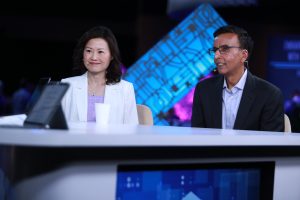
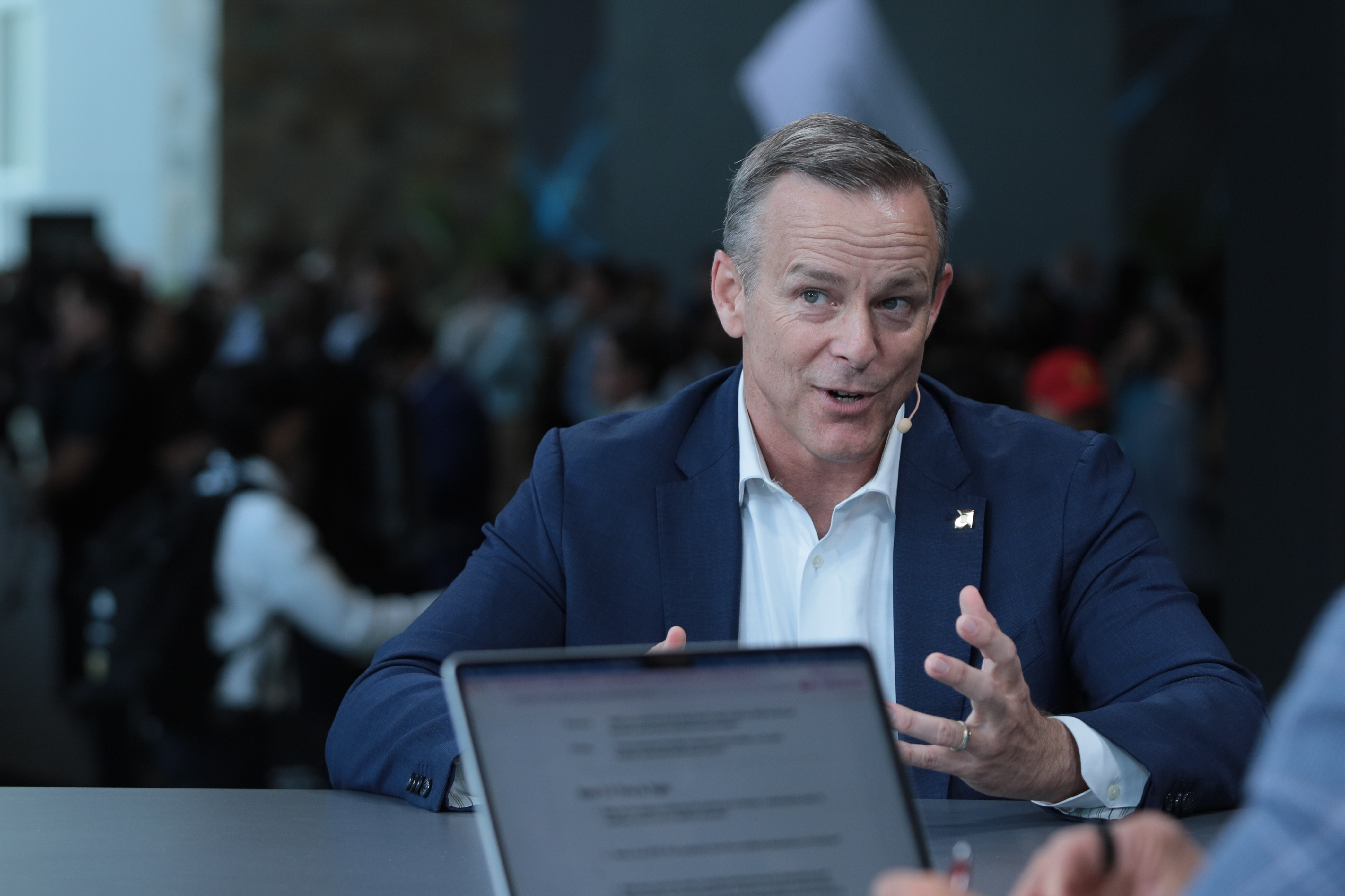
That shift is playing out across enterprise AI infrastructure, where attention is moving beyond raw GPU horsepower toward integrated systems. Demand from the enterprise has reached a monumental level, driven by interest in silicon choice, data center modernization and the total cost of tokens, according to Derek Dicker (pictured), corporate vice president of the Enterprise Business Group at Advanced Micro Devices Inc.
“If you looked at GPU being the center of a lot of these workloads, what’s happened over time as agentic has unfolded is a realization that it’s … as much a CPU workload as it is a GPU workload,” he said. “A lot of the things that AMD’s been building in its roadmap for the CPU side of the house is super well-tuned to where this is heading.”
Dicker spoke with theCUBE’s John Furrier and Dave Vellante at the AMD Advancing AI event, during an exclusive broadcast on theCUBE, SiliconANGLE Media’s livestreaming studio. They discussed the AI infrastructure buildout, agentic workloads and how open, rack-scale architectures are reshaping enterprise computing. (* Disclosure below.)
Enterprises are navigating a market that has upended nearly every early assumption about AI, from single-vendor dominance to the irrelevance of token costs. AMD’s role is to act as a trusted advisor across a broad ecosystem of software providers, channel partners and system integrators, Dicker explained.
“At the end of the day, no enterprise has really come to me and said, ‘Hey, I want to buy a CPU,'” he said. “They’re looking for a business outcome. A big focus of ours is identifying what are those business challenges that they’re facing and how do we build it with the best-of-breed technology we have here or with partners in the industry?”
Central to that approach is a rack-scale mindset. Rather than building systems that compete with its own customers, AMD published an open specification and rallied the ecosystem around configurable rack-scale infrastructure. Its Helios reference design combines 72 AMD Instinct GPUs with AMD EPYC CPUs, AMD Pensando networking technology and other components in a unified rack-scale system, Dicker noted.
“Instead of building systems themselves and competing with our customers, we took the approach of open and building a rack-scale architecture, publishing a spec, engaging the ecosystem,” he said. “It’s a coming together of the entire industry to go develop a solution.”
That openness is increasingly tied to sovereignty, as vertical markets from healthcare to telecommunications bring intelligence back on-premises and countries treat AI as a national resource, according to Dicker.
“People are looking for an open solution,” he said. “They’re looking for multiple options to go host on-prem in their own infrastructure and on their own soil.”
Here’s the complete video interview, part of SiliconANGLE’s and theCUBE’s coverage of the AMD Advancing AI event:
(* Disclosure: TheCUBE is a paid media partner for the AMD Advancing AI event. Neither AMD, the sponsor of theCUBE’s event coverage, nor other sponsors have editorial control over content on theCUBE or SiliconANGLE.)
Support our mission to keep content open and free by engaging with theCUBE community. Join theCUBE’s Alumni Trust Network, where technology leaders connect, share intelligence and create opportunities.
Founded by tech visionaries John Furrier and Dave Vellante, SiliconANGLE Media has built a dynamic ecosystem of industry-leading digital media brands that reach 15+ million elite tech professionals. Our new proprietary theCUBE AI Video Cloud is breaking ground in audience interaction, leveraging theCUBEai.com neural network to help technology companies make data-driven decisions and stay at the forefront of industry conversations.