 EMERGING TECH
EMERGING TECH
EMERGING TECH







EMERGING TECH

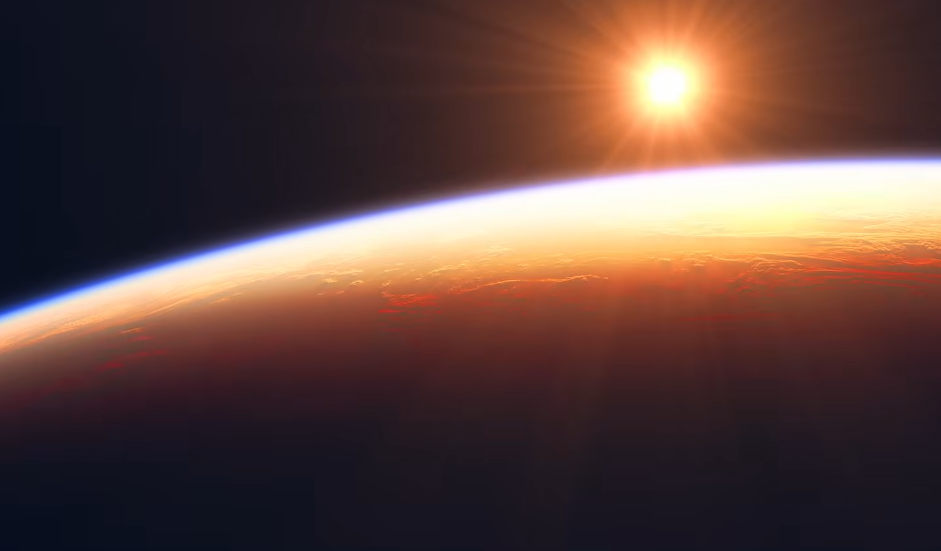
Google LLC’s plan to put artificial intelligence data centers into low-Earth orbit is taking shape, as it prepares to launch its first satellite on a SpaceX Corp. rocket next week.
In a blog post today, the company said Project Suncatcher will launch a prototype satellite into space in order to study how well its tensor processing units perform in the unique conditions of outer space. “This first launch is about seeing what works, identifying points of failure and applying those findings to future missions,” wrote Travis Beals, senior director of Google’s Paradigms of Intelligence research team.
Google first announced Project Suncatcher in November 2025 in response to SpaceX founder Elon Musk’s own plans to launch space-based data centers for AI workloads. It’s the company’s effort to design orbital AI data centers that could potentially serve as a lower-cost alternative to ground-based facilities, which use enormous amounts of energy and water and have become increasingly contentious, with many people opposing their construction.
The first Project Suncatcher satellite is expected to launch on Oct. 1, in order to validate the company’s vision of creating a constellation of AI satellites. Like SpaceX, Google wants to tap into the abundance of free solar energy available beyond Earth’s atmosphere in order to lower the costs of AI training and inference.
Google’s first satellite is called MVP and it’s about the same size as a refrigerator. Inside it there are four of Google’s custom TPU accelerators, which are widely used here on Earth to train AI models and run inference on trained models.
It’s a relatively small test. MVP will contain just four TPUs, and its solar panels will be able to generate only about a kilowatt of power, which is just enough to run a microwave or hair dryer. The TPUs are Google’s, but the satellite itself was developed by a company called Planet Labs PBC, which normally makes satellites for taking high-definition imagery of the Earth’s surface.
MVP will launch as just one part of a wider payload aboard a SpaceX Falcon 9 rocket. Although this is really just an experiment, Google eventually plans to build a massive network of orbiting satellites that communicate with Earth using high-speed laser connections. If it gets that far, it will likely need to rent SpaceX’s rockets for dedicated launches.
Next week’s launch aims to test a number of technologies that Google believes is critical for Project Suncatcher. For instance, Google needs to know how the TPUs themselves will perform in outer space after being subject to a violent 10-minute launch, where they will endure intense vibrations and forces up to 10 times stronger than Earth’s gravity.
In addition, the company wants to see how its chips can handle the higher levels of radiation present in space that originate from cosmic rays and other solar events. This radiation could potentially damage the chip’s electronic circuit boards or corrupt data.
The chips are expected to hold up. According to Beals, Google has already tested its Trillium TPUs at University of California at Davis’ Crocker Nuclear Laboratory, exposing them to a proton beam while they were running AI workloads. During that test, researchers monitored the workloads closely for signs of any errors and found that they performed “remarkably well,” despite receiving a dose of radiation greater than what they’d be expected to encounter over a five-year space mission.
Another problem Google has to solve is the problem of keeping its TPUs cool. The chips generate lots of heat when they’re working at full capacity, but the lack of airflow in the vacuum of space means engineers cannot rely on traditional cooling systems.
“We’re working on a number of different approaches for this, including a combination of heat pipes and radiators to cool the chips,” Beals said. “So far, our team has tested the technology in a thermal vacuum chamber that simulates both the thermal and vacuum environment of space. We’ll see how our new TPU cooling system works and refine our designs as we learn more.”
Google will most definitely need to improve the efficiency of its cooling system, for the prototype being launched next week won’t be able to keep up with the four TPUs. Beals wrote that the chips will be able to run workloads only in short bursts of about 15 minutes before they have to be shut down in order to cool off.
Nonetheless, the mission is a vital one that will inform Google’s future designs and help shape its planning for future Project Suncatcher missions. The company has plans to put two additional satellites into orbit next year in order to test the high-performance lasers it envisions using for communications.
There’s a sense of urgency to the mission, too. Google isn’t alone in trying to put AI data centers into space. SpaceX touted its plans for space-based AI infrastructure in its initial public offering prospectus earlier this year. It also faces competition from startups like Starcloud Inc. and Orbital Inc., which have both announced significant funding rounds earlier this year.
Support our mission to keep content open and free by engaging with theCUBE community. Join theCUBE’s Alumni Trust Network, where technology leaders connect, share intelligence and create opportunities.
Founded by tech visionaries John Furrier and Dave Vellante, SiliconANGLE Media has built a dynamic ecosystem of industry-leading digital media brands that reach 15+ million elite tech professionals. Our new proprietary theCUBE AI Video Cloud is breaking ground in audience interaction, leveraging theCUBEai.com neural network to help technology companies make data-driven decisions and stay at the forefront of industry conversations.