 EMERGING TECH


EMERGING TECH

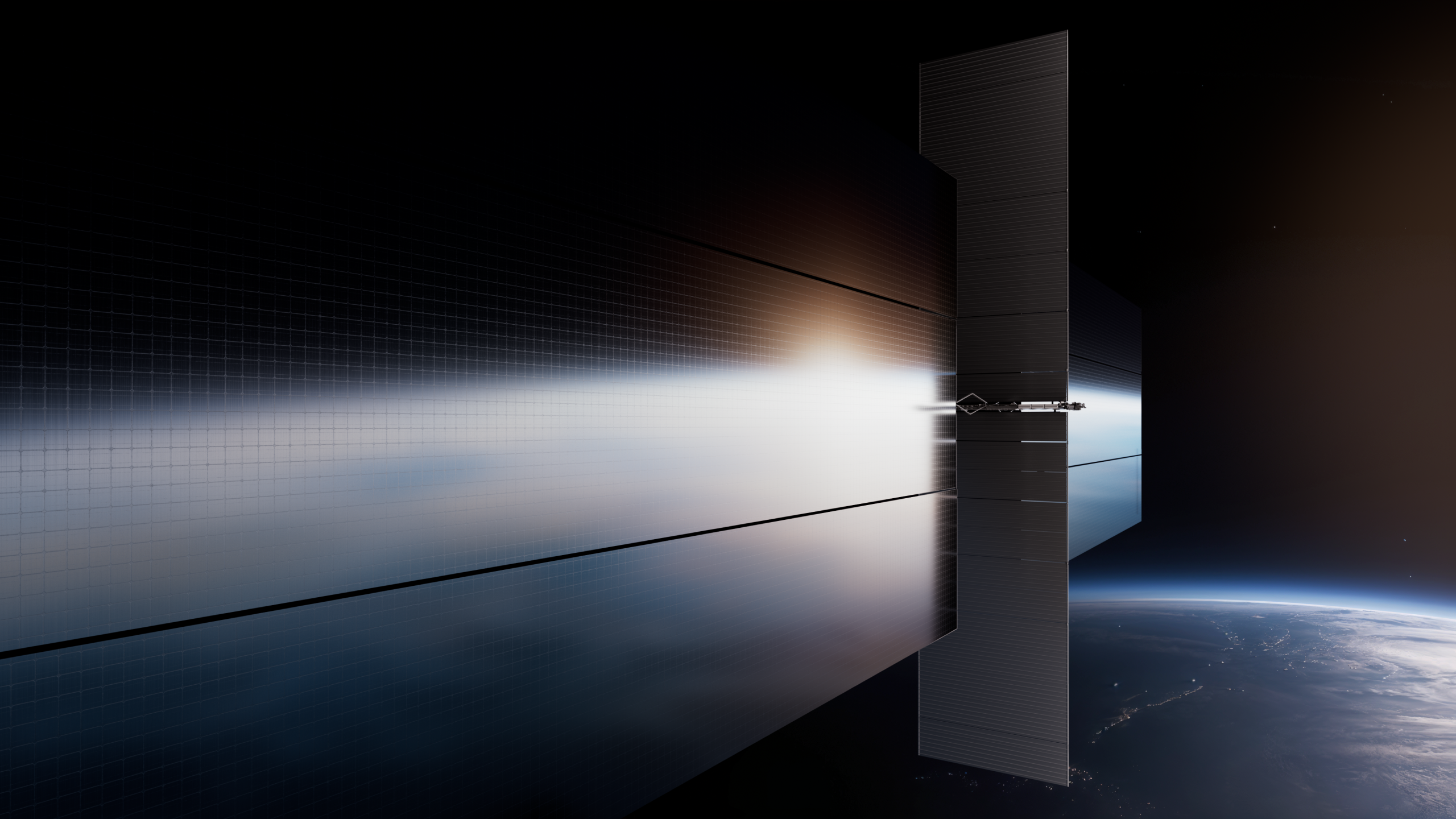
Elon Musk’s Space Exploration Technologies Corp. today received approval from the U.S. Federal Communications Commission to deploy up to 1 million Starmind satellites designed to operate as data centers in orbit.
Issued by the FCC’s Space Bureau under delegated authority, the order is described by the agency as “the first authorization in U.S. history for a constellation of data centers in space.”
“By moving compute capacity beyond Earth, SpaceX and the many competitors working on their own orbital data centers are meeting the moment,” FCC Chairman Brendan Carr said. “This is the kind of American ingenuity that can unite our strengths in space and advanced technology, reinforce our economic leadership, and expand prosperity here at home.”
Replying to Carr on X, Musk wrote that Starmind “will be a great asset to America and the world.”
Under the terms of the approval, the Starmind satellites are to sit in six orbital shells, or altitude bands, between 500 and 1,002 kilometers, below the 2,000-kilometer ceiling in SpaceX’s original application. Most communications will run over optical links to other satellites, including those in the Starlink network. The license itself covers a backup Ka-band radio system for emergency telemetry, tracking and command.
The approval does come with conditions. SpaceX’s orbital debris plan was found to comply with the agency’s rules only for satellites below 600 kilometers, and four of the six shells sit above that line. Before deploying anything higher, SpaceX is required to file a modification application containing a final debris plan.
A request from the company to retire some of those higher satellites into disposal orbits around Earth or the sun, rather than having them re-enter the atmosphere within five years, was deferred for lack of information.
To keep the authorization, SpaceX has to have its first Starmind satellite in operation by Nov. 25, 2033. The schedule then calls for 100,000 satellites by 2035, 500,000 by 2038 and the full 1 million by 2040. Missing any of the deadlines would void the license.
Petitions to deny the application from Amazon.com Inc.’s Amazon Leo satellite business, Viasat Inc. and the American Astronomical Society were all rejected. In a March filing, Amazon had described the plan as “a lofty ambition rather than a real plan.”
According to the bureau, nothing in the FCC’s rules limits how many satellites a single constellation can include. Astronomers’ concerns about the satellites’ brightness in infrared were ruled to fall outside the scope of a radio license.
SpaceX first applied for the system in January, shortly before it acquired Musk’s artificial intelligence company xAI Corp. Orbital data centers then featured in SpaceX’s pitch to investors ahead of its record initial public offering in June. Built around a space-optimized version of Nvidia Corp.’s Vera Rubin NVL72 rack-scale system, the first-generation Starmind satellite, known as AI1, could reach orbit as early as the third quarter of next year, according to Musk.
The competitors Carr referred to include Jeff Bezos’ Blue Origin LLC, which applied in March for Project Sunrise, a planned network of up to 51,600 data center satellites. Starcloud Inc., a startup developing AI data centers in orbit, raised $250 million at a $2.3 billion valuation in August.
Shares of SpaceX closed up 1.3% today.
Support our mission to keep content open and free by engaging with theCUBE community. Join theCUBE’s Alumni Trust Network, where technology leaders connect, share intelligence and create opportunities.
Founded by tech visionaries John Furrier and Dave Vellante, SiliconANGLE Media has built a dynamic ecosystem of industry-leading digital media brands that reach 15+ million elite tech professionals. Our new proprietary theCUBE AI Video Cloud is breaking ground in audience interaction, leveraging theCUBEai.com neural network to help technology companies make data-driven decisions and stay at the forefront of industry conversations.