



 EMERGING TECH
EMERGING TECH
EMERGING TECH
EMERGING TECH

China is fast becoming the most closely surveilled country on the planet, with its omnipresent CCTV cameras and the use of facial recognition technology. Now it has decided its citizens’ cars should be monitored.
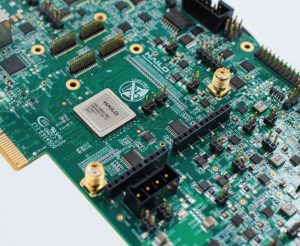
Starting July 1, vehicles in the country will be fitted with radio-frequency identification chips, according to an article in the Wall Street Journal. This will be voluntary at first, but by 2019 all new vehicles in China will be fitted with a chip. The program is being initiated by China’s Ministry of Public Security along with the Traffic Management Research Institute.
Documents obtained by the Journal describe how the move will help lessen traffic congestion in some of China’s heavily populated cities, and it’s hoped that this will help reduce pollution. It’s also hoped that the move might help prevent vehicular terrorist attacks.
The RFID chips will be placed on a car’s windshield and when a car passes certain reading devices that will be installed on roads, information will be sent back to the ministry regarding the license plate and the color of the car. It won’t mean the government will have a reading on where that car is at all times.
This isn’t the first time such a system has been used, with such chips already being employed to automate such things as gas payments and tolls. But since China aims to make this mandatory, critics believe it’s just another brick in the wall of a massive surveillance state.
The country already has around 170 million CCTV cameras and with it has been busy tracking its citizens with facial recognition technology. Add to that the heavy monitoring of the Internet and telecoms as well as the country’s initiative to monitor people and give them a “citizen score” based on their behavior, tracking cars starts to look all the more severe.
China has said it wants to build “the world’s biggest camera surveillance network.” Earlier this year it was reported that a man was arrested at a concert attended by 60,000 people after the crowd had been scanned with racial recognition technology. Reports suggest that China intends to introduce an additional 400 million CCTV cameras in the next three years.
“It’s kind of like another tool in the toolbox for mass-surveillance,” Maya Wang, China researcher at Human Rights Watch, told the Journal. “To be able to track vehicles would definitely add substantial location details to the chain of data points that they already have.”
Support our mission to keep content open and free by engaging with theCUBE community. Join theCUBE’s Alumni Trust Network, where technology leaders connect, share intelligence and create opportunities.
Founded by tech visionaries John Furrier and Dave Vellante, SiliconANGLE Media has built a dynamic ecosystem of industry-leading digital media brands that reach 15+ million elite tech professionals. Our new proprietary theCUBE AI Video Cloud is breaking ground in audience interaction, leveraging theCUBEai.com neural network to help technology companies make data-driven decisions and stay at the forefront of industry conversations.