


Hugh Macleod, the cartoonist who blogs at gapingvoid.com, recently announced that he was “giving up” Twitter and Facebook to “reclaim” blogging.
His reasoning seems to be partly philosophical (content ownership) and partly strategic 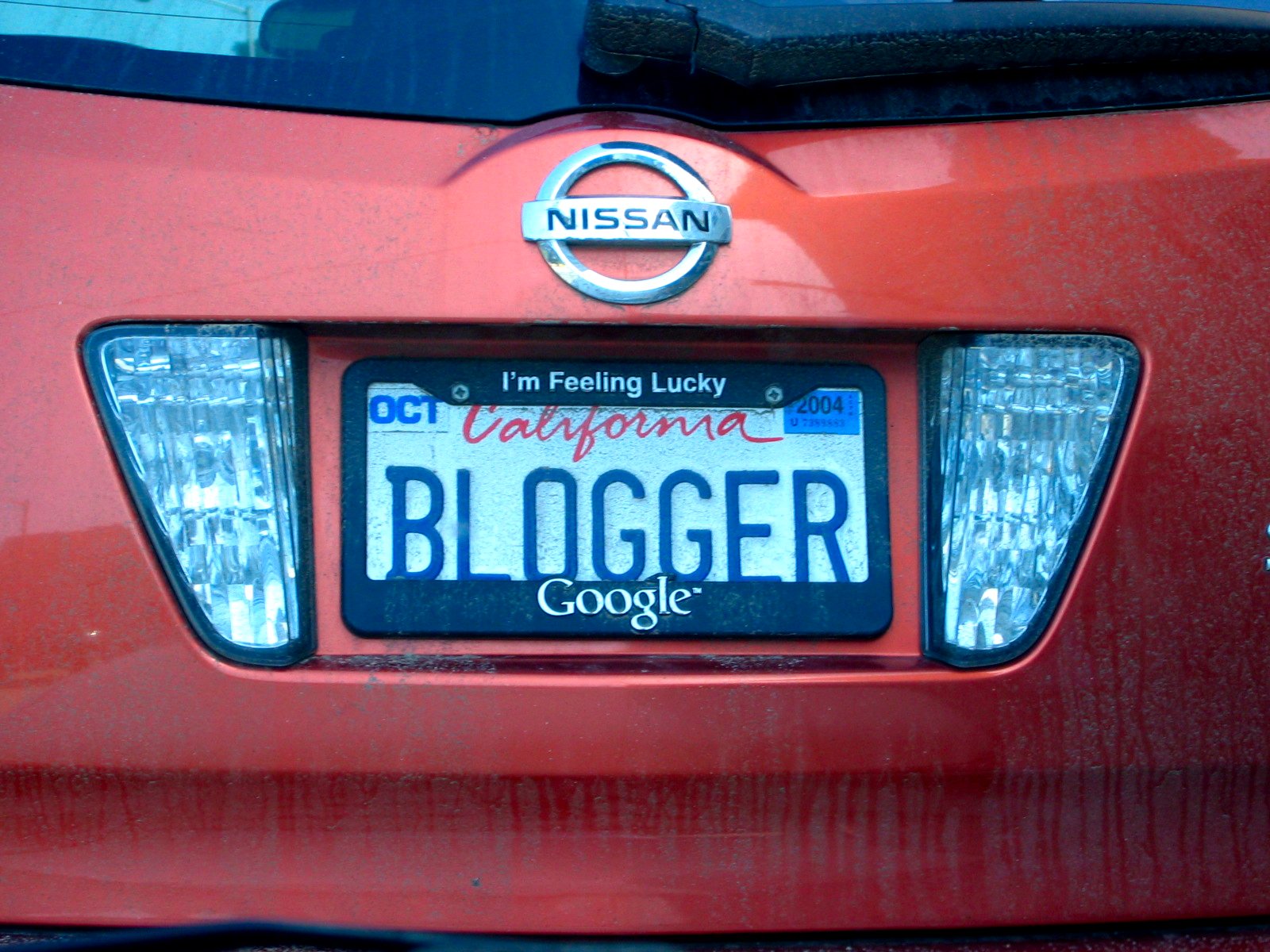 (less tweeting about meals means more time to blog about, well, the important stuff).
Philosophically, Hugh says he doesn’t appreciate the fact that social media sites own what is supposed to be his content. There’s no WordPress-like utopian open source self-hosted social network (and I haven’t heard about Diaspora since Mark Zuckerberg sent his $10 donation).
The cause may be a noble one, but I’m skeptical of this alleged ownership argument though. Hugh and others who have shunned Twitter before him (ie. Seth Godin) don’t seem to be opposed to others sharing their content on Facebook and Twitter. The “Tweet” and “Like” buttons that appear at the bottom of each of their blog posts are evidence that they approve of content sharing and traffic building. It’s ironic that the “Decide” call to action on Hugh’s blog post is only a few pixels above the word “Tweet.”
Strategically… Hugh has a point. Focusing on one thing, instead of aimlessly trying to be active all over the web, makes a lot of sense. However, Hugh is in a unique position. He’s a published author and you could say he’s a bit of a quotable celebrity in the tech startup scene. Whether Hugh will be able to maintain the interest that his recent blog post generated (111 comments and counting) is yet to be seen, but there’s a chance he’ll be ok even if he never tweets ever again.
So, should you give up Twitter and Facebook to reclaim blogging?
Probably not, but ask yourself the following questions before making a decision:
Most likely, you do not. A “reclaimable” blog would be one that used to get a lot of traffic and comments, but at some point it failed to keep up. According to Compete, gapingvoid.com was getting 65k unique visitors in July of 2010. A year later, only 12.7K. The drop is a great one, but 12.7K unique visitors is still much more than any of us will ever see.
Is your goal to have a creative outlet where you share thoughts and ideas? Or are you trying to become a top blogger and quit your day job?
This is very important. I personally enjoy blogging and podcasting but it’s getting harder to do this. Being on Google+, Twitter and Facebook allows me to have rewarding conversations and discussions with friends and strangers, at any time and from anywhere.
Everyone is different and you need to be objective about what you’re good at. People that are comfortable in front or behind a camera should be on YouTube, Flickr or Instagram. People with a radio voice should probably check out BlogTalkRadio and Cinch.
Hugh’s audience might be more than happy to visit his blog. For you, it might be a different story. Maybe your Twitter friends like to communicate with you in 140 characters, but they might not really be interested in reading your essays. It’s important to consider your audience, even if it’s a small one.
I asked myself the 5 questions above and I quickly determined that it would not be possible for me to give up Facebook, Twitter or Google+ to focus on blogging. In the same way, I wouldn’t give up blogging to focus on social networks.
In conclusion, I don’t think you should follow in Hugh’s footsteps. As Hugh mentioned in his post, blogging has gone from magical to diluted in one decade. Unfortunately for bloggers, I’m not sure that magic will ever be recovered.
Whether we can call it magical or not, great content has the opportunity to create valuable and powerful experiences in ways that were impossible just a few years ago. Where and how you do this is completely up to you.
[Cross-posted at Social Nerdia]
Support our mission to keep content open and free by engaging with theCUBE community. Join theCUBE’s Alumni Trust Network, where technology leaders connect, share intelligence and create opportunities.
Founded by tech visionaries John Furrier and Dave Vellante, SiliconANGLE Media has built a dynamic ecosystem of industry-leading digital media brands that reach 15+ million elite tech professionals. Our new proprietary theCUBE AI Video Cloud is breaking ground in audience interaction, leveraging theCUBEai.com neural network to help technology companies make data-driven decisions and stay at the forefront of industry conversations.