 POLICY
POLICY
POLICY












POLICY

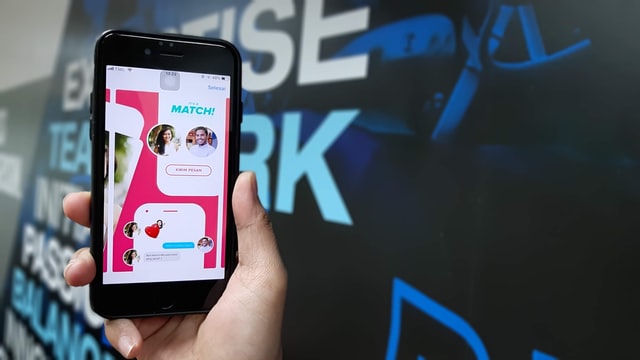
The Match Group-owned dating app Tinder announced today that its ID Verification feature will be available to all users around the world.
Tinder didn’t specify exactly when this will happen, only that it will be in “coming quarters.” The feature has been available since 2019 in Japan, where it is the law, although in the interests of safety, it’s arguably something that should have come sooner for other users.
The company said with each country being diverse in terms of what amounts to a standard and trusted ID, it will consult experts and users and local laws and regulations before rolling out the feature. It will be voluntary at the start unless ID verification is mandated by law.
“ID Verification is complex and nuanced, which is why we are taking a test-and-learn approach to the rollout,” Rory Kozoll, head of trust and safety product at Tinder, wrote in a blog post. “We know one of the most valuable things Tinder can do to make members feel safe is to give them more confidence that their matches are authentic and more control over who they interact with.”
The feature will not only authenticate that people are whom they say they are and ensure they are at least 18 years old, but ID verification will also help weed out undesirable people, a company spokesperson said. Although those convicted of a sex crime or a crime of violence can be background-checked using their credit card, the new ID verification will bolster that process.
Match Group also announced this year a partnership with the nonprofit Garbo, an organization that collects “public records and reports of violence or abuse, including arrests, convictions, restraining orders, harassment, and other violent crimes.” Drug charges and some other minor offenses won’t be checked. Such a background check will likely come at a price for users, although it has yet to be rolled out on the app.
Tracey Breeden, Match Group’s vice president of safety and social advocacy, explained that some people may have “compelling reasons” why they don’t want to put their real ID on the platform. “Creating a truly equitable solution for ID Verification is a challenging, but critical safety project and we are looking to our communities as well as experts to help inform our approach,” she said.
Support our mission to keep content open and free by engaging with theCUBE community. Join theCUBE’s Alumni Trust Network, where technology leaders connect, share intelligence and create opportunities.
Founded by tech visionaries John Furrier and Dave Vellante, SiliconANGLE Media has built a dynamic ecosystem of industry-leading digital media brands that reach 15+ million elite tech professionals. Our new proprietary theCUBE AI Video Cloud is breaking ground in audience interaction, leveraging theCUBEai.com neural network to help technology companies make data-driven decisions and stay at the forefront of industry conversations.