









 BIG DATA
BIG DATA
BIG DATA

BIG DATA

Data is valuable because of the insights it provides, insights that companies are using to increase efficiency and improve their profit margins. But there are a lot more pressing concerns in the world than added zeros to the bottom line.
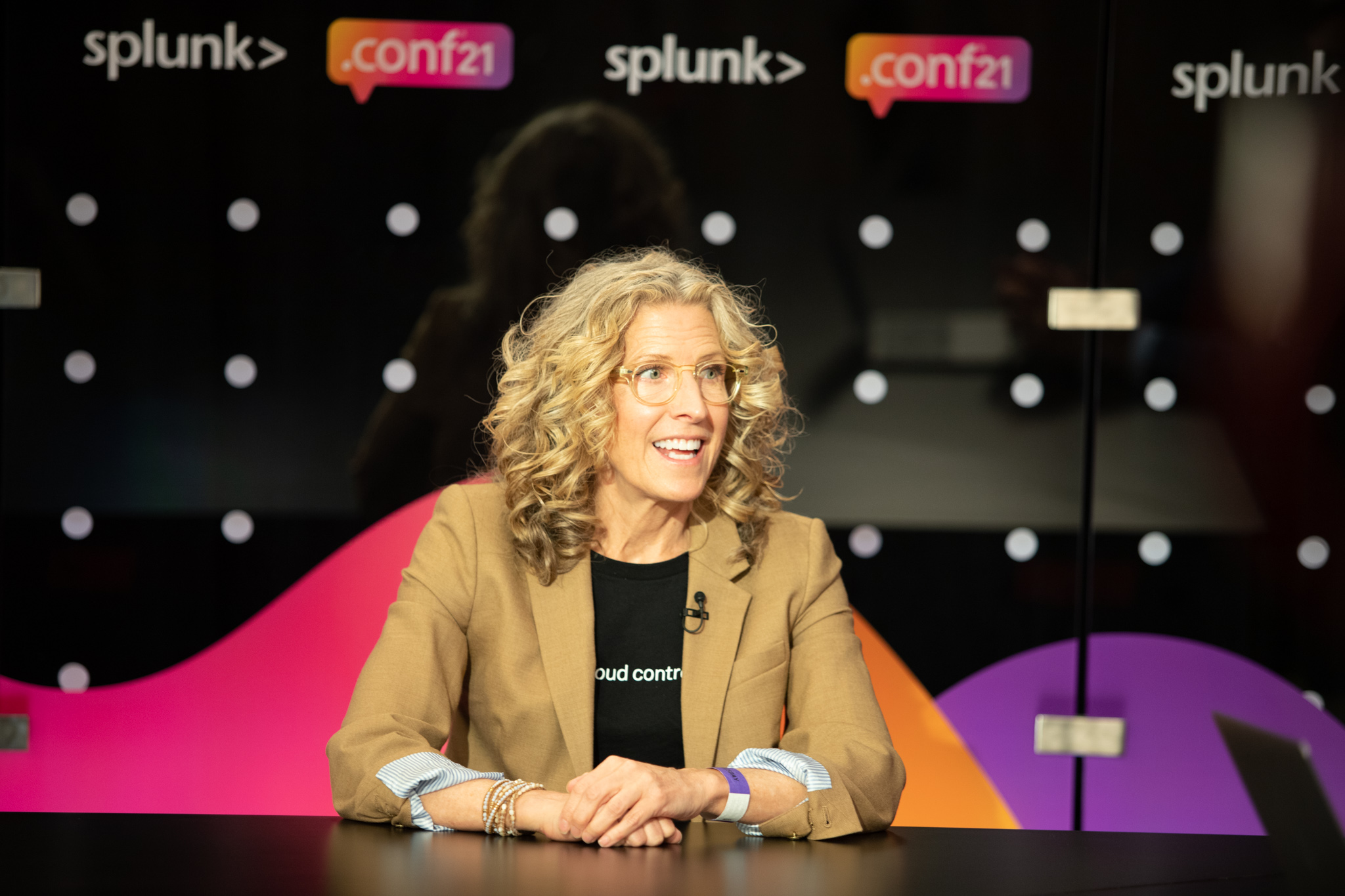
“We have all this data being used for commercial value and relatively weak use of data being used to solve our social and environmental challenges,” said Kriss Dieglmeier (pictured), chief social impact officer at Splunk Inc.
The inequality in resource allocation Dieglmeier described is the “data divide,” a massive chasm that lies between the emphasis being put on using data knowledge to drive positive cash flow for business and using data knowledge to drive positive change for humanity.
Speaking with John Furrier, host of theCUBE, SiliconANGLE Media’s livestreaming studio, during the Splunk .conf21 Virtual event, Dieglmeier discussed Splunk’s social impact initiative and why closing the data divide is of critical importance. (* Disclosure below.)
As Splunk’s chief social impact officer, Dieglmeier is responsible for overseeing the company’s social initiative programs. A recent white paper published by Splunk for Good highlighted the inequalities in how the benefits of data insights are distributed on both the organizational and individual level. The paper cites IBM research, which found that 67% of nonprofits lack the ability to incorporate data analytics in their work.
“Whether it’s health, whether it’s child and human services, their data is in file cabinets. Think about that,” Dieglmeier said. “We need to digitize those, then we need to data enable that so that we can see the insights.”
Splunk’s study identified four main fault lines that cause the data chasm. The first is inequality of data access, a concept demonstrated by the inaccessible data resources that under-funded organizations and countries have locked up in paper files. Second is the lack of capacity to address the issue: 50% of Black and 57% of Latinx workers in the U.S. lack useable digital skills, according to a National Skills Coalition study.
“We need both financial resources invested in solving our social and environmental problems, and we need data scientists, data stewards, great data people working to solve our social and environmental problems just as we are in the corporate sector,” Dieglmeier said.
Lack of investment is the third contributor to the data divide, with venture capitalists bypassing companies looking to make social and environmental impact in favor of those promising fast financial gain. One exception to this is the climate tech sector, which is growing at five times the overall investment rate. This is a positive trend, but it could have come earlier, according to Dieglmeier.
“What if we had been doing that work 20 years ago around sustainability, around efficiency?” she asked.
The fourth barrier to data equality is a result of the previous three: a lack of replicable, actionable solutions that demonstrate the power of data for social benefit. Splunk is working to break down all four of these barriers by funding research and supporting companies that use data to transform society (rather than just business).
“We’ve identified these barriers, but we’ve got to go much deeper and build collaborations around the solution,” Dieglmeier stated. “It’s getting the talent to help these organizations. It’s our strategic giving. So we’re mobilizing all of our assets around this pledge … [and] we’re trying to do it across a multitude of platforms.”
Here’s the complete video interview, part of SiliconANGLE’s and theCUBE’s coverage of during the Splunk .conf21 Virtual event. (* Disclosure: TheCUBE is a paid media partner for Splunk’s .conf21 Virtual conference. Neither Splunk, the sponsor for theCUBE’s event coverage, nor other sponsors have editorial control over content on theCUBE or SiliconANGLE.)
Support our mission to keep content open and free by engaging with theCUBE community. Join theCUBE’s Alumni Trust Network, where technology leaders connect, share intelligence and create opportunities.
Founded by tech visionaries John Furrier and Dave Vellante, SiliconANGLE Media has built a dynamic ecosystem of industry-leading digital media brands that reach 15+ million elite tech professionals. Our new proprietary theCUBE AI Video Cloud is breaking ground in audience interaction, leveraging theCUBEai.com neural network to help technology companies make data-driven decisions and stay at the forefront of industry conversations.