 APPS
APPS
APPS
APPS










APPS

IPhone maker Apple Inc. beat expectations on its second-quarter earnings and sales before offering a better-than-expected sales forecast for the current period, sending its stock higher in late trading.
The company reported earnings before certain costs such as stock compensation of $2.01 per share, beating the analyst consensus estimate of $1.95 per share. Revenue for the quarter rose 17% from a year ago, to $111.18 billion, ahead of the $109.66 billion target. All told, its net income for the quarter rose to $29.58 billion, from $24.74 billion in the year-ago quarter.
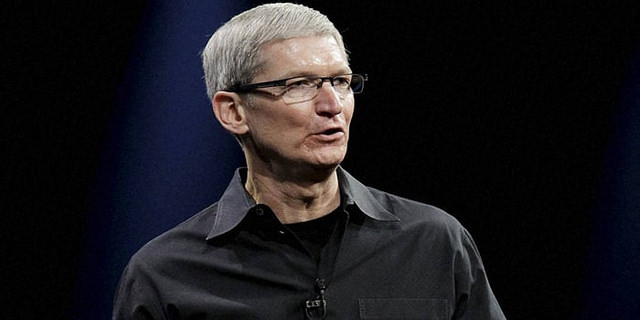
The earnings call comes barely two weeks after Apple’s legendary Chief Executive Tim Cook (pictured) said he’s going to step down from his role in September after 15 years in the job, to be replaced by Senior Vice President of Hardware Engineering John Ternus.
Apple didn’t offer official earnings guidance, but said it’s expecting revenue for the third quarter to increase by between 14% and 17%, ahead of Wall Street’s expectation of 9.5% growth.
During the quarter, iPhone sales increased by 22% from the same period one year earlier. Like other consumer electronics firms, Apple has been hit hard by supply chain constraints arising from the global memory chip shortage that’s driven by soaring demand for artificial intelligence. Both Microsoft Corp. and Meta Platforms Inc. said earlier this week that the rising price of memory chips was a main factor in them increasing their capital expenditures forecasts for the year.
On the call with analysts, Cook said the iPhone 17 has now become “the most popular lineup in our history,” and noted that the company managed to beat revenue expectations “despite supply constraints” that hit both the iPhone and its Mac computers. Cook told investors that the memory shortage isn’t going to disappear anytime soon, and though the impact in the December quarter was minimal, it saw a more pronounced hit in the quarter just gone.
For the current quarter, “we expect significantly higher memory costs,” Cook said in response to a question from analysts. Looking beyond that near-term future, he said the price of memory will have an “increasing impact on our business,” which will lead the company to “look at a range of options.”
Apple unveiled a number of new products in March, including the iPhone 17e, a new lineup of 11-inch and 13-inch iPad Air devices powered by the company’s M4 chip, and the MacBook Neo, which is an affordable laptop aimed at students and budget-conscious consumers.
Analysts were keen to learn what to expect from incoming CEO Ternus, and he dutifully joined in on the conference call. He’s expected to succeed Cook on Sept. 1, when the current CEO transitions to become Apple’s new executive chairman.
Ternus is a longtime Apple executive who has been running the company’s hardware division for a number of years. “We have the right leader ready to step into the role,” Cook said in his opening remarks. He added that Apple has a strong team in place to “realize the promise of this company.” In turn, Ternus thanked Cook and the company’s shareholders, and said he’s looking forward to executing on an “incredible roadmap ahead.”
“While you’re not going to get me to talk about the details of that roadmap, suffix it to say, this is the most exciting time in my 25-year career at Apple to be building products and services,” he said.
One of the first tasks for Ternus will be to decide what Apple intends to do about AI. During the quarter, the company announced a partnership with Google LLC to adopt its Gemini AI models to power its digital assistant Siri. Cook told analysts on the call that the partnership with Google is “going well,” before adding that “we’re happy with where things are and with the work that we’re doing independently as well.”
Still, Ternus will need to come up with a more credible AI strategy for the iPhone maker, which has so far refrained from making the multibillion-dollar investments of its megacap peers, said Emarketer analyst Jacob Bourne. “The Google Gemini partnership signals Apple’s willingness to lean on external AI innovators, and that’s a good sign,” he added. “But investors will be watching for clues about how Ternus plans to balance Apple’s cautious AI posture with pressure to define the next consumer device for the AI era, particularly as expectations around the iPhone’s performance are getting harder to meet.”
Apple’s important services business delivered $30.98 billion in revenue during the quarter, up 16% from the previous year. The unit generates revenue from the sale of subscriptions to entertainment services, App Store sales, Apple Pay, iCloud, AppleCare and other services. The growth in services revenue is the main driving force behind Apple’s higher profit margins, which reached 49.3% in the quarter, up from 48.2% in the previous quarter. Before it established the services business as a growth engine, Apple’s profit margin had long been stuck in the high 30s.
David Bartosiak of Zack’s Investment Research told SiliconANGLE that the services business has become the backbone of Apple’s business, similar to how maintenance work is the bread and butter of car dealerships, providing recurring, high-margin revenue that smooths out its hardware cycles. “But the real number that should make investors perk up is the 2.5 billion active devices Apple now has,” he said. “That’s the moat. Every one of those devices is a pipeline into services, upgrades, subscriptions and future monetization. It’s not just a user base, it’s a cash machine that keeps on compounding.”
Sales in the Greater China region rose 28%, to $20.5 billion, in the quarter. The region is the company’s third-largest, trailing the Americas and Europe. Apple’s research and development costs grew at a much faster clip than its revenue, however, reaching $11.42 billion in the quarter, up from $8.55 billion a year earlier.
Discussing the R&D figures, Cook said the company is “clearly investing more,” partly due to the enormous potential that AI presents. “We’re investing in products and services, and we see opportunities in both of these,” he added.
Chief Financial Officer Kevin Parekh also chimed in on AI to say that “it’s a really important investment area for Apple and we’re going to be doing that incrementally on top of what we normally invest in our product roadmap.”
Support our mission to keep content open and free by engaging with theCUBE community. Join theCUBE’s Alumni Trust Network, where technology leaders connect, share intelligence and create opportunities.
Founded by tech visionaries John Furrier and Dave Vellante, SiliconANGLE Media has built a dynamic ecosystem of industry-leading digital media brands that reach 15+ million elite tech professionals. Our new proprietary theCUBE AI Video Cloud is breaking ground in audience interaction, leveraging theCUBEai.com neural network to help technology companies make data-driven decisions and stay at the forefront of industry conversations.