 AI
AI
AI
AI










AI

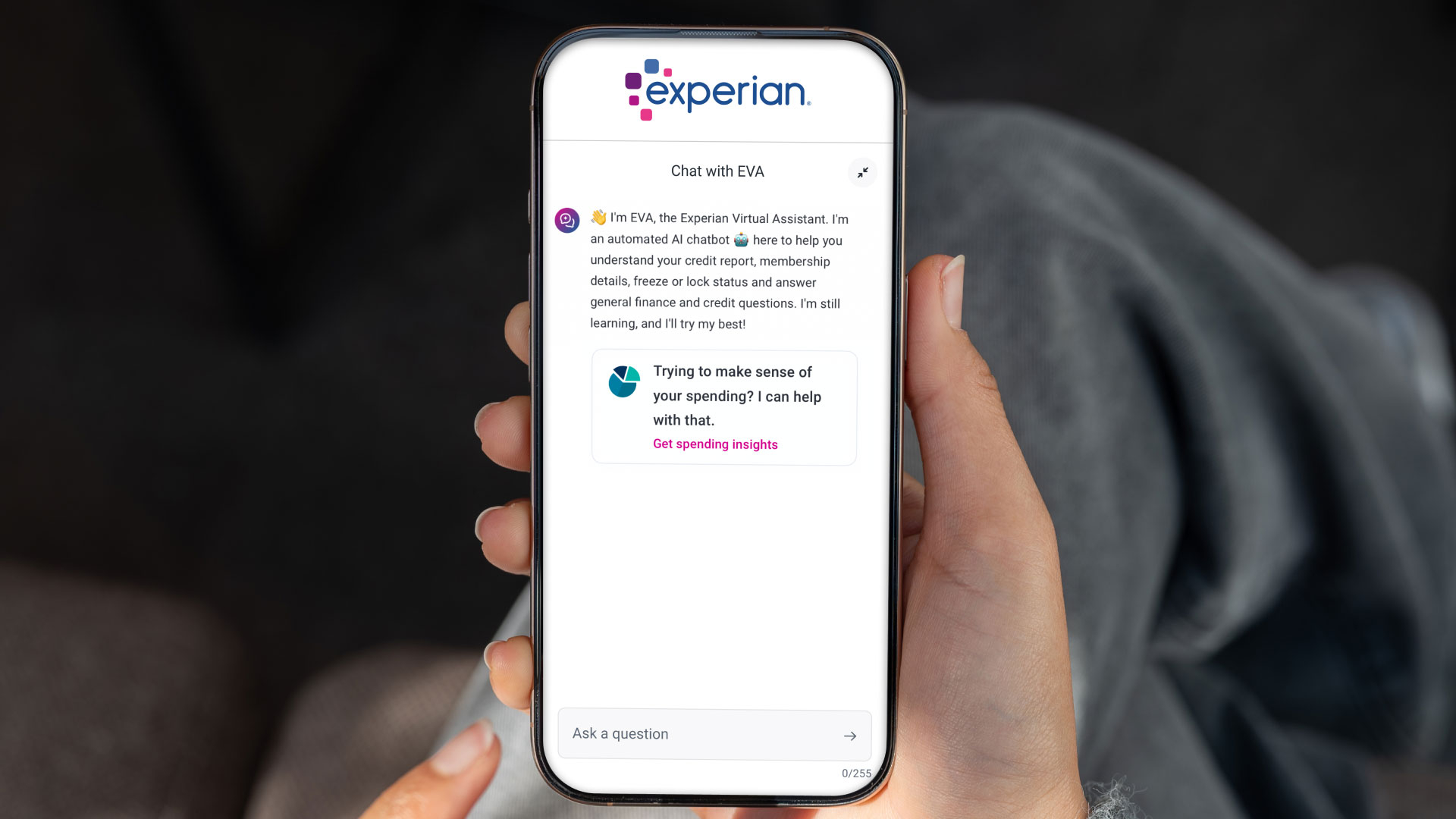
With the release of the newest version of its Experian Virtual Assistant, Experian plc is leveraging artificial intelligence to advance its broader goals of expanding beyond credit reporting to become a technology-driven services provider.
Doing that in a tightly regulated industry has tested the limits of AI in delivering personalized service without violating strict privacy and security rules. Experian has access to detailed information about millions of consumers’ spending patterns. Its challenge is to use that data to guide people toward better decisions without being intrusive or putting their privacy at risk.
“We treat generative AI outputs with the same rigor as credit data,” said Jack Yu, director of product management for generative AI at Experian. “We built governance in from the beginning.”
The company believes EVA is a breakthrough in the consumer market. Version 3.0 goes beyond helping consumers understand their credit scores to deliver insights into how everyday spending affects their overall finances, using connected financial accounts and open banking integrations. Users can identify recurring subscriptions, analyze spending patterns and take actions such as canceling services or negotiating bills.
It’s also capable of executing tasks directly. For example, users can initiate a credit freeze through the assistant, with safeguards such as explicit confirmation steps built into the workflow.
“EVA can now take actions, not just answer questions,” Yu said.
The idea for folding AI into EVA dates back to late 2022, when generative AI began gaining mainstream traction. Experian had previously relied on a rules-based chatbot that offered a limited set of services, mostly advising consumers on strategies for improving their credit scores.
Those earlier versions of EVA struggled to keep pace with expanding product features and consumer expectations. The introduction of large language models created an opportunity to rethink the approach.
“We saw it as a new way for consumers to interact with us,” said Debbie Hsu, executive vice president of product at Experian Consumer Services.
The new app, which is used by 85 million consumers worldwide, combines product expertise from Hsu’s consumer services division with engineering resources from the internal innovation lab where Yu works. “We effectively operated as one team to embed AI expertise directly” in the product, Hsu said.
AI is nothing new to Experian. The company has been working with machine learning for more than a decade, building systems for behavioral analysis and transaction-level insights that are useful in speeding credit approvals and reducing fraud.
“Many companies woke up to gen AI in 2022, but for us, that wasn’t the start,” Yu said.
From the outset, the system was designed to operate within a highly regulated environment, where data privacy and accuracy are critical.
With the addition of generative AI, Experian built a set of internal rules that govern how the system responds to user queries. The company doesn’t position the assistant as a financial adviser, which is a licensed profession, but instead as a source of education. Sensitive consumer data is not stored within AI models, and interactions are routed through controlled internal systems.
“We explicitly restrict financial advice,” Hsu said. “We focus on financial guidance.”
Organizational challenges were as significant as technical hurdles in bringing the new EVA to market. Securing approval from compliance and risk teams required extensive internal education and validation.
“Approval took longer than building the system,” Yu said.
The development team also needed to focus on optimizing performance to meet consumer expectations for real-time responses. That meant implementing optimizations such as response streaming and system routing improvements. “Latency was a major challenge,” Yu said. “Customers have come to expect answers at a certain cadence.”
Experian sees EVA evolving to provide more personalized guidance, such as helping users identify opportunities to reduce unnecessary expenses or assisting with credit card applications. The assistant is also integrating with broader financial services, including the Experian Insurance Marketplace, to help with tasks like monitoring insurance rates and canceling subscriptions.
But the company is being careful not to become too enamored with the technology. Executives emphasized that maintaining trust remains central to the platform’s design. “Trusted data remains our core differentiator,” said Senior Public Relations Manager Michael Troncale.
In a market that is awash in thousands of financial applications, the ability to deliver personalized financial experiences at scale is no longer a nice-to-have. “This is becoming table stakes for the industry,” Hsu said.
Support our mission to keep content open and free by engaging with theCUBE community. Join theCUBE’s Alumni Trust Network, where technology leaders connect, share intelligence and create opportunities.
Founded by tech visionaries John Furrier and Dave Vellante, SiliconANGLE Media has built a dynamic ecosystem of industry-leading digital media brands that reach 15+ million elite tech professionals. Our new proprietary theCUBE AI Video Cloud is breaking ground in audience interaction, leveraging theCUBEai.com neural network to help technology companies make data-driven decisions and stay at the forefront of industry conversations.