 AI
AI
AI
AI








AI

Claims automation has evolved from a competitive advantage into a survival imperative for global healthcare and insurance organizations, as rising payer expectations and demands for real-time patient responsiveness drive the adoption of auditable, AI-powered process orchestration to slash bottlenecks and deliver faster, more accurate claims processing.
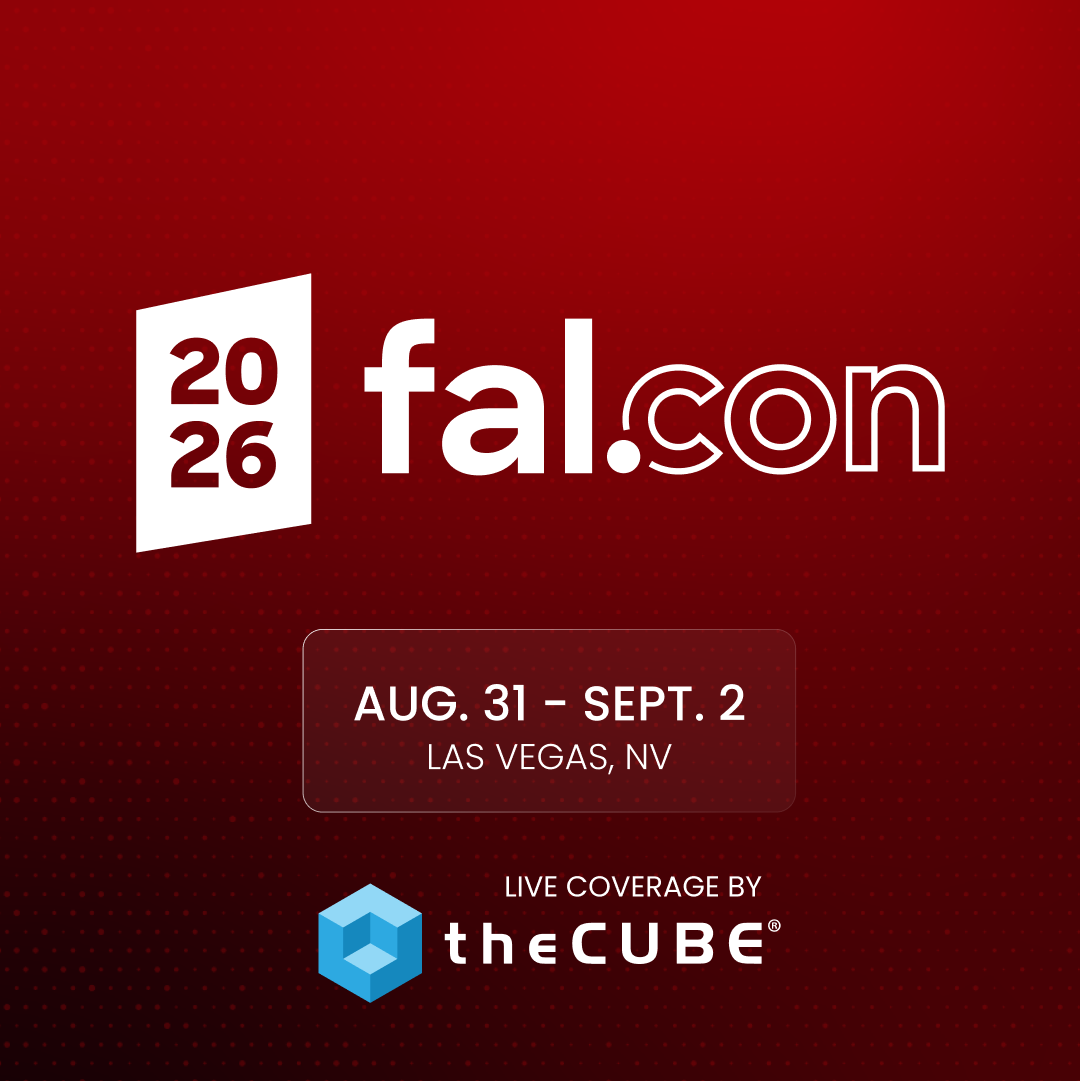
Regulated environments demand that any automation layer be fully auditable — not a black box — before it can be trusted with clinical or financial outcomes. For Global Excel Management Inc., a Quebec-based global provider of medical assistance, cost containment and claims management serving clients in more than 90 countries, the goal was straightforward: get information to customers and employees faster, and ultimately pay claims faster, according to Gregg Aldana (pictured, right), vice president of solutions consulting at Appian Corp. The upside is that in many cases the technology is now moving fast enough to fund itself.
“The technology can solve some of these problems so quickly that it’s actually generating the return on investment that pays for a lot of these projects,” Aldana said. “That need for speed, that translates into real dollars. When we can adjudicate a claim, or you can actually address a customer’s concern that much quicker, that’s more revenue. These things are actually paying for itself.”
Aldana and Jeff Renon (left), director of information systems at Global Excel, spoke with theCUBE’s Dave Vellante and Alison Kosik at Appian World 2026, during an exclusive broadcast on theCUBE, SiliconANGLE Media’s livestreaming studio. They discussed scaling healthcare claims automation through AI-driven process orchestration, auditability in regulated environments and the ROI case for meeting rising member expectations. (* Disclosure below.)
Global Excel’s 2,500-person operation processes healthcare claims across the globe, making speed and data visibility non-negotiable. The company built customer-facing portal tools through Appian’s platform to ingest data faster and surface it to employees in real time, Renon noted. The approach mirrors a broader pattern emerging across healthcare digital transformation efforts — start with the data intake layer, then drive efficiency downstream.
“We wanted to know how we get our data faster [and] better,” Renon said. “‘How do we get data from our customers first? How do we get that information into our employees’ hands faster?’ We built our front end tools through Appian — through [Appian Portals] — so that we can ingest the data better and faster and expose that to our employees better.”
But speed alone isn’t enough in a regulated environment. In healthcare, every automated action has to be traceable — and that’s where the architecture of the underlying platform matters, Aldana explained. Appian’s platform allows any AI-assisted action to be audited by a third party, an essential requirement when government and healthcare rules dictate every step of the claims process. The competitive stakes are rising as well: Companies that can rapidly adapt when new large language models or AI capabilities emerge will increasingly separate from those that cannot, Aldana added.
“A lot of companies aren’t just saying, ‘Hey, I don’t need as many people to do what I used to be able to do,'” he said. “It’s like, ‘Well, wait a second, with the same number of people, I can double my output now.’ That’s where we’re seeing a lot of competitive companies really take a different mindset.”
Here’s the complete video interview, part of SiliconANGLE’s and theCUBE’s coverage of Appian World 2026:
(* Disclosure: TheCUBE is a paid media partner for Appian World. Neither Appian, the sponsor of theCUBE’s event coverage, nor other sponsors have editorial control over content on theCUBE or SiliconANGLE.)
Support our mission to keep content open and free by engaging with theCUBE community. Join theCUBE’s Alumni Trust Network, where technology leaders connect, share intelligence and create opportunities.
Founded by tech visionaries John Furrier and Dave Vellante, SiliconANGLE Media has built a dynamic ecosystem of industry-leading digital media brands that reach 15+ million elite tech professionals. Our new proprietary theCUBE AI Video Cloud is breaking ground in audience interaction, leveraging theCUBEai.com neural network to help technology companies make data-driven decisions and stay at the forefront of industry conversations.