 AI
AI
AI
AI







AI

Regulated industry AI is evolving beyond compliance foundations to drive greater efficiency gains, reducing routine work and freeing teams to focus on critical, higher-impact decisions.
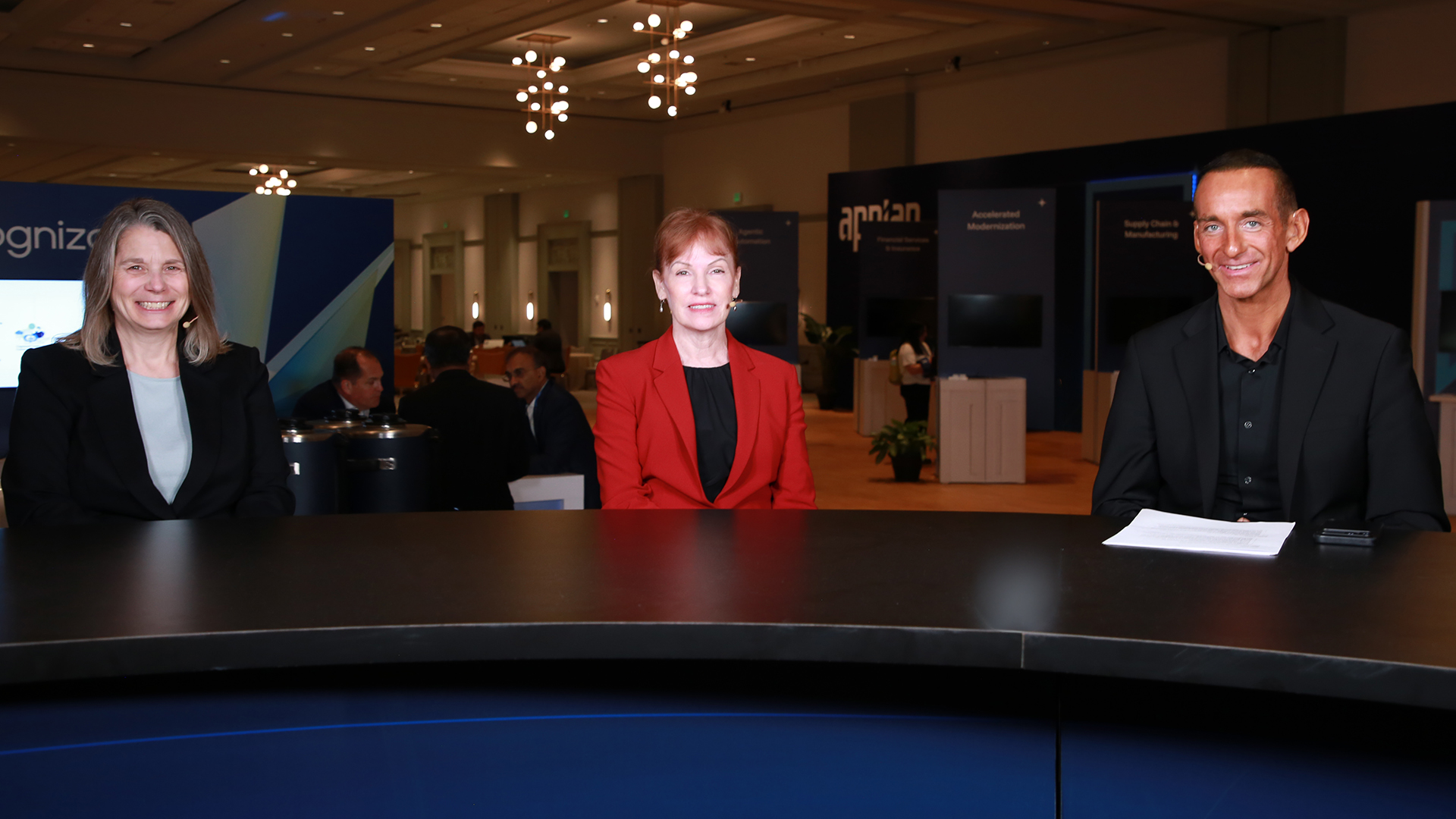
Years ago, Pfizer Inc. and Appian Corp. partnered to use AI to manage anti-corruption compliance, reducing administrative burden and allowing field representatives to spend more time with doctors. But what began as a straightforward compliance exercise turned into a blueprint for operational transformation, according to Aynn Furie (pictured, center), vice president of enterprise travel, meetings and healthcare engagement at Pfizer.
“What happened is, once it evolved, we realized the efficiencies that could come out of using the right automation,” Furie said. “Now we have less [concern] about the compliance because the controls are there, but more about the efficiencies that the system can bring in and where the technologies can take us so that we can go faster — that we can do things more accurately.”
Furie; Kathy Malsch (left), senior director of the Center for Digital Technology at Pfizer; and Gregg Aldana (right), vice president of solutions consulting at Appian, spoke with theCUBE’s Dave Vellante at Appian World 2026, during an exclusive broadcast on theCUBE, SiliconANGLE Media’s livestreaming studio. They discussed the shift from compliance driven processes to AI-powered efficiency and the critical role of change management in driving regulated industry AI adoption. (* Disclosure below.)
Fear has long been the default response to disruption in regulated industries — fear of non-compliance, fear of change and, increasingly, fear of AI. But that calculus is shifting as more organizations move from hesitation to transformation, according to Aldana.
“A lot of people are very scared that AI is going to take their jobs away from them,” he said. “But what you see with Pfizer and we’re seeing with a lot of healthcare customers, is that their jobs are actually getting better because they’re spending much more time on the impactful work that they got into this industry for.”
Getting there demands a discipline most organizations underestimate, Malsch noted. It requires the willingness to question processes that have existed for years before touching the technology at all. That rigor became the foundation everything else was built on.
“If you just automate what you already have, all you have is faster inefficiency,” Malsch said. “I really think [what made this successful] was that partnership of looking at the process first, then bringing in automation and then bringing in AI.”
Here’s the complete video interview, part of SiliconANGLE’s and theCUBE’s coverage of Appian World 2026:
(* Disclosure: TheCUBE is a paid media partner for Appian World. Neither Appian, the sponsor of theCUBE’s event coverage, nor other sponsors have editorial control over content on theCUBE or SiliconANGLE.)
Support our mission to keep content open and free by engaging with theCUBE community. Join theCUBE’s Alumni Trust Network, where technology leaders connect, share intelligence and create opportunities.
Founded by tech visionaries John Furrier and Dave Vellante, SiliconANGLE Media has built a dynamic ecosystem of industry-leading digital media brands that reach 15+ million elite tech professionals. Our new proprietary theCUBE AI Video Cloud is breaking ground in audience interaction, leveraging theCUBEai.com neural network to help technology companies make data-driven decisions and stay at the forefront of industry conversations.