 CLOUD
CLOUD
CLOUD
CLOUD






CLOUD

Open hybrid cloud is becoming the control plane that determines how enterprise artificial intelligence actually runs in production.
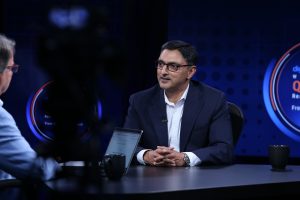
The conversation has moved quickly from experimentation to execution. At Red Hat Inc., open hybrid cloud is positioned as the way to connect legacy systems, cloud-native apps and agentic workloads without disruption. The focus now is on how AI is deployed, governed and scaled consistently across environments, according to Ashesh Badani, chief product officer of Red Hat.
“AI is changing everything for organizations,” Badani told theCUBE, SiliconANGLE Media’s livestreaming studio. “At the core of much of what is going on with AI is open source. As we have talked about so many times before, organizations are looking for ways to leverage open-source innovation and do it securely at scale without complexity.”
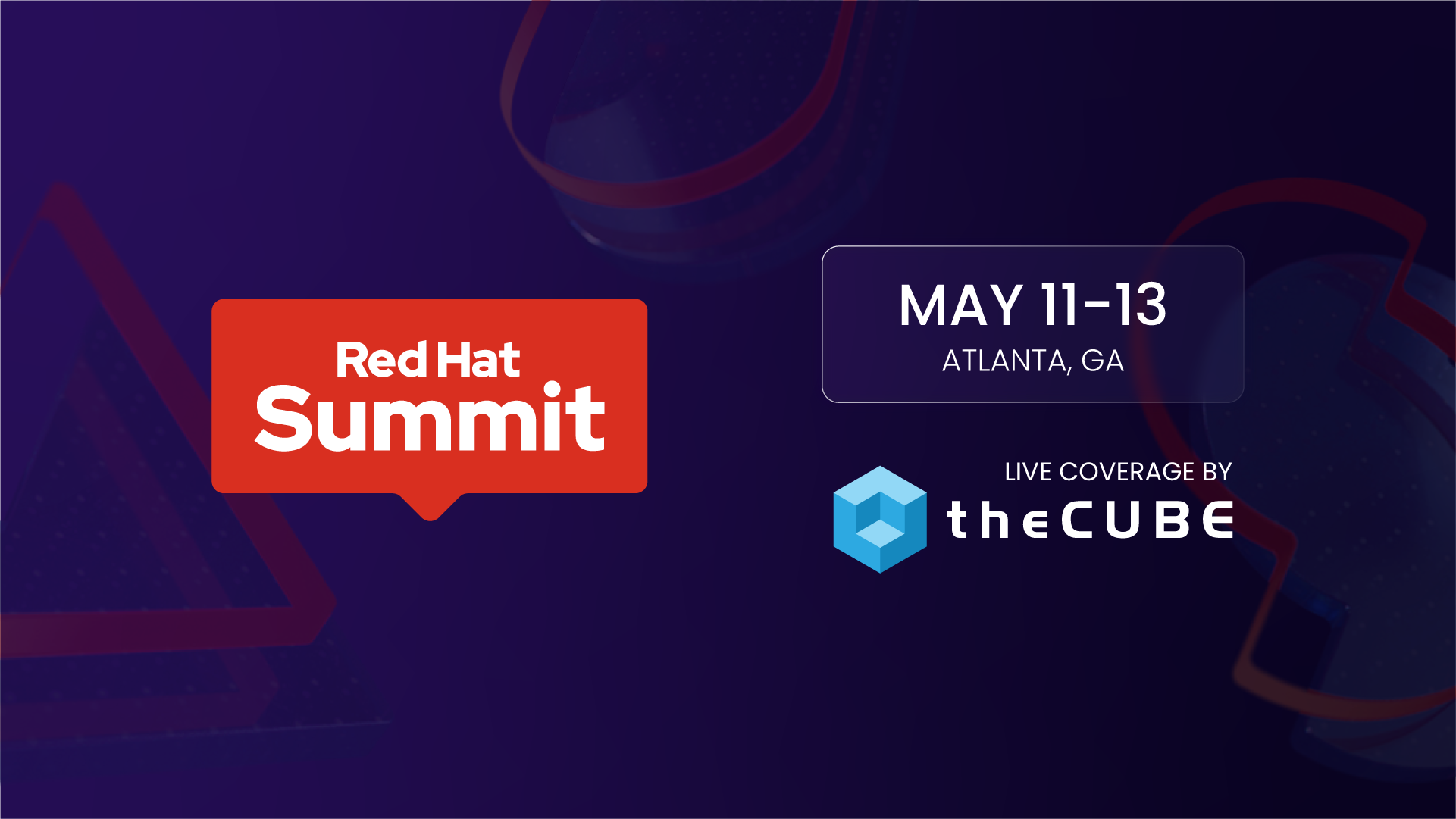
This year’s Red Hat Summit 2026 is spotlighting how enterprises are building around open hybrid cloud and AI-driven platforms rather than siloed systems. TheCUBE’s live coverage, from May 11–13, will feature interviews and analysis on how organizations are operationalizing AI, modernizing infrastructure and managing governance at scale. (* Disclosure below.)
Enterprises are no longer treating AI as a standalone initiative. Instead, they are integrating it into existing infrastructure, where hybrid environments already span on-prem systems, cloud platforms and edge deployments. This shift is forcing organizations to think in terms of unified platforms rather than isolated tools, especially as workloads diversify, noted Rob Strechay, principal analyst at theCUBE Research.
“AI is no longer a science project,” he said. “At Red Hat Summit 2026, the conversation shifts to how organizations operationalize AI efficiently, govern it responsibly and actually deliver Return on AI. The real bottleneck in AI isn’t models; it’s the platform. Red Hat’s ‘metal-to-agents’ vision shows how enterprises can run AI, traditional apps and agentic systems on a unified foundation.”
At the same time, the operational challenge is not just technical. Enterprises must manage cost, performance and governance simultaneously, especially as inference workloads grow, Strechay added. Token economics is emerging as a new discipline, with organizations needing to track, allocate and optimize usage in ways that mirror cloud spending models.
“Token economics is becoming the new cloud cost model, but it is super confusing to CFOs and line of business leaders,” he said. “The organizations that win will be the ones that optimize inference, not just build bigger models. I expect Red Hat to talk about making all of the infrastructure for this transparent and simple.”
As AI systems expand across regions and industries, sovereignty is becoming a central design principle. Organizations are no longer focused solely on data residency; they are now evaluating control across models, data and outcomes. This introduces new architectural requirements that extend beyond traditional compliance frameworks, Badani emphasized.
“It’d be really important to make sure that when we give you any kind of product that you are able to deploy that in a way that meets all your regulatory constraints,” he added. “You’re passing your compliance checks, the guardrails to ensure that you stay in compliance. We’ve done a bunch of work on that front that we’ll talk about to give you effectively just safe landing zones to run it.”
The broader implication is that sovereignty is no longer an add-on feature. It is becoming embedded into the platform itself, influencing how enterprises design their architectures and select partners. This is particularly relevant as governments and industries place increasing demands on AI accountability and traceability, according to Paul Nashawaty, principal analyst at theCUBE Research.
“Red Hat Summit 2026 reflects the ongoing shift in application development toward platform engineering and AI-enabled workflows,” he said. “Enterprises are standardizing on Kubernetes-based platforms to support consistent application delivery across hybrid environments, while integrating AI capabilities into development pipelines.”
One of the less visible but critical challenges in AI adoption is how organizations handle existing infrastructure. Many enterprises still rely on virtualized environments that support revenue-generating applications, making wholesale replacement impractical. Instead, modernization is becoming a layered process.
“For us, being able to have this continuum across applications with traditional security boundaries as virtual machines — those that you’ve got as containers and increasingly the ones that you’ll build out, the multi-agent frameworks that you’ve put in place — they should all run in a consistent fashion,” Badani said.
Red Hat’s strategy focuses on creating a consistent platform that allows virtual machines, containers and AI workloads to coexist. This continuity reduces friction as organizations transition toward more advanced architectures without disrupting existing operations, Badani added.
“That conversation is not just a virtualization migration conversation,” he said. “Increasingly, that’s a modernization conversation, because you want to make sure the platform that you’ve got is getting those VMs in, making sure that you’re supporting those cloud-native workloads.”
Don’t miss theCUBE’s coverage of Red Hat Summit 2026, from May 11–13. Plus, you can watch theCUBE’s event coverage on-demand after the live event.
We offer you various ways to watch theCUBE’s coverage of Red Hat Summit, including theCUBE’s dedicated website and YouTube channel. You can also get all the coverage from this year’s events on SiliconANGLE.
SiliconANGLE’s “theCUBE Pod” is available on Apple Podcasts, Spotify and YouTube, which you can enjoy while on the go. During each podcast, SiliconANGLE’s John Furrier and Dave Vellante unpack the biggest trends in enterprise tech — from AI and cloud to regulation and workplace culture — with exclusive context and analysis.
SiliconANGLE also produces our weekly “Breaking Analysis” program, where Dave Vellante examines the top stories in enterprise tech, combining insights from theCUBE with spending data from Enterprise Technology Research, available on Apple Podcasts, Spotify and YouTube.
AI is moving into real-world enterprise environments — and Red Hat Summit 2026 will bring that shift into focus. TheCUBE analysts will explore how organizations are using open hybrid cloud to connect legacy systems, cloud-native platforms and emerging agentic workloads without starting from scratch. Coverage will also examine modernization strategies and platform decisions shaping how AI runs day to day. Get a closer look through live interviews with theCUBE, as well as analyst perspectives, from May 11–13.
(* Disclosure: TheCUBE is a paid media partner for the Red Hat Summit event. Sponsors of theCUBE’s event coverage do not have editorial control over content on theCUBE or SiliconANGLE.)
Support our mission to keep content open and free by engaging with theCUBE community. Join theCUBE’s Alumni Trust Network, where technology leaders connect, share intelligence and create opportunities.
Founded by tech visionaries John Furrier and Dave Vellante, SiliconANGLE Media has built a dynamic ecosystem of industry-leading digital media brands that reach 15+ million elite tech professionals. Our new proprietary theCUBE AI Video Cloud is breaking ground in audience interaction, leveraging theCUBEai.com neural network to help technology companies make data-driven decisions and stay at the forefront of industry conversations.