 AI
AI
AI
AI







AI

Agentic AI is making the semantic layer an essential enterprise priority because headless agents asking thousands of questions simultaneously have zero tolerance for inconsistent data definitions.
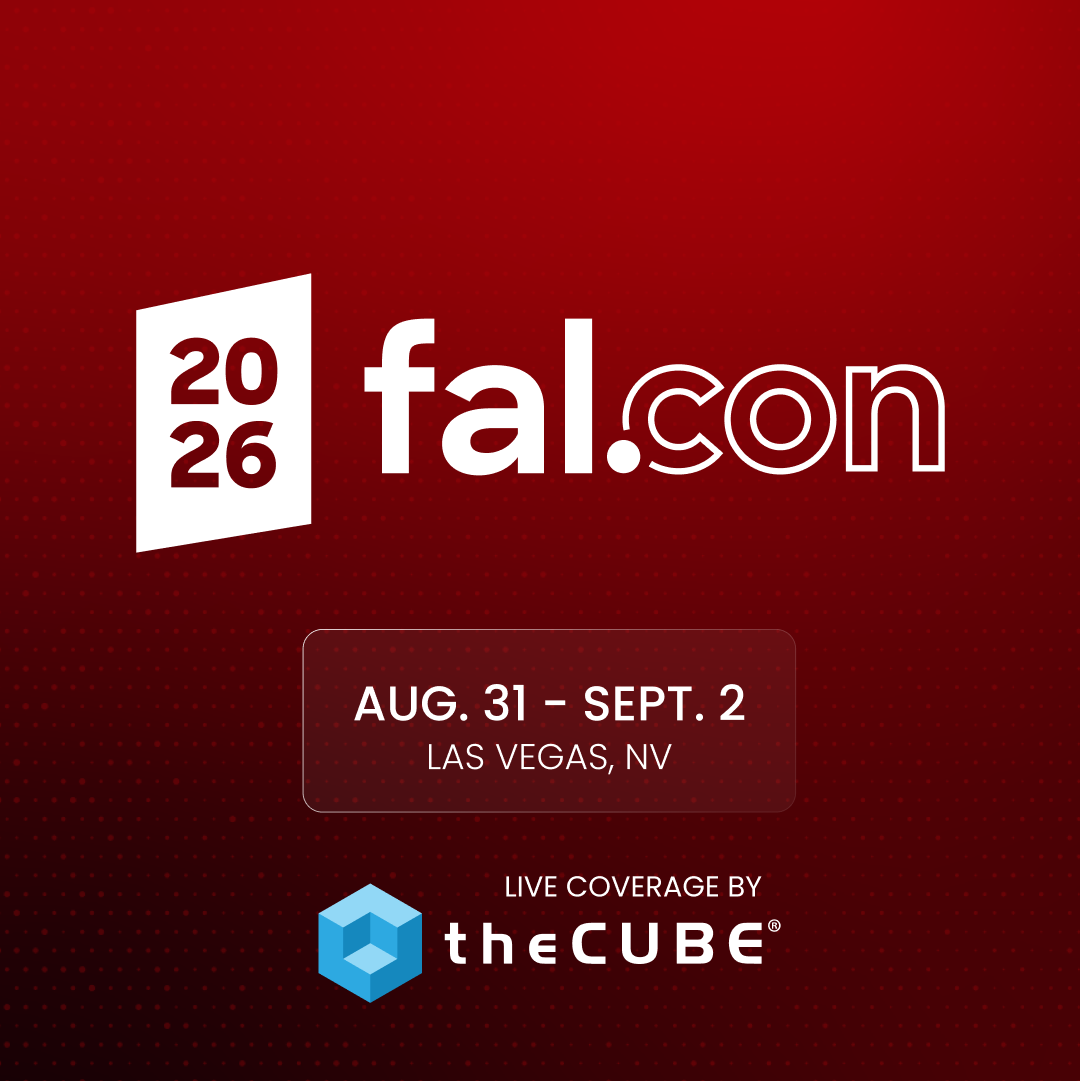
This change is a core principle of a new partnership announced at the Snowflake Summit, according to Dave Mariani (pictured, right), chief technology officer of AtScale Inc. The company, which developed the universal semantic layer category nearly 14 years ago, has partnered with Snowflake to deliver Semantic Views for XMLA Endpoints. The integration connects Excel and Power BI directly to Snowflake data via a live semantic layer and can be activated with a single setup command.
“You know [large language models], you want them to be creative,” Mariani said. “You want them to be creative because they’re your research assistant. You want them to explore the data, but you don’t want them to be creative about the definition of ‘revenue’ or ‘customer.’ You do not want them to be creative over your data. There’s a realization that you want to compare the probabilistic nature of an LLM so it can be creative with the deterministic nature of a semantic query engine.”
Mariani and Carl Perry (left), senior director of product management at Snowflake, spoke with theCUBE’s Dave Vellante and Rebecca Knight at Snowflake Summit 2026, during an exclusive broadcast on theCUBE, SiliconANGLE Media’s livestreaming studio. They discussed why the semantic layer has become the critical governance infrastructure for agentic AI and whether the era of the static dashboard has reached its end. (* Disclosure below)
The fundamental shift is that semantics can no longer live inside business intelligence tools sitting above the data, according to Perry. They must reside where the data lives so agents and analysts receive identical answers regardless of how they query it. Organizations that built coherent-looking enterprise data models on top of fragmented underlying data got away with it when humans were in the loop. Agents are far less forgiving.
“When you start using AI agents, which are not in BI tools, and they intentionally are running autonomously and driving workflows, that model has to be where the agents are residing,” Perry said. “It’s not in a BI tool that sits above the data; it’s actually where the data resides.”
Regarding dashboards, both guests agreed that static dashboards are fading, but curated insights are not. The revolution, Perry noted, is inverting the model, starting with a natural language with agentic experience on top of governed data instead of building reports first and hoping that users get value from them. When a semantic layer is paired with a conversational interface, users who have never used a BI tool can now query enterprise data by typing or speaking questions in plain language, according to Mariani.
“When we introduced Excel to AtScale and to our customers, all of a sudden we saw people doing analytics that never were doing analytics before,” he said. “Now, with AI and chatbots, that is like times 10.”
Both guests closed by reframing governance. Where it once functioned as a blocker, locking down data until someone approved access, the semantic layer flips that dynamic: Governance becomes the infrastructure that makes it safe to open data broadly. Enterprises tempted to lock everything down first and open doors later have the model backward, according to Mariani, who cautioned that shadow AI proliferates when organizations withhold data access from the people who need it most.
“You’ve got to say everything is open, and we have to be confident that our governance infrastructure can make sure that the data doesn’t get into the wrong hands,” Mariani said. “It’s got to do it with the semantic layer.”
Here’s the complete video interview, part of SiliconANGLE’s and theCUBE’s coverage of Snowflake Summit 2026:
(* Disclosure: TheCUBE is a paid media partner for the Snowflake Summit 2026. Neither Snowflake, the sponsor of theCUBE’s event coverage, nor other sponsors have editorial control over content on theCUBE or SiliconANGLE.)
Support our mission to keep content open and free by engaging with theCUBE community. Join theCUBE’s Alumni Trust Network, where technology leaders connect, share intelligence and create opportunities.
Founded by tech visionaries John Furrier and Dave Vellante, SiliconANGLE Media has built a dynamic ecosystem of industry-leading digital media brands that reach 15+ million elite tech professionals. Our new proprietary theCUBE AI Video Cloud is breaking ground in audience interaction, leveraging theCUBEai.com neural network to help technology companies make data-driven decisions and stay at the forefront of industry conversations.