 AI
AI
AI
AI







AI

Government software is facing the same information management crisis as every other enterprise sector, and the knowledge graph is emerging as the architectural answer.
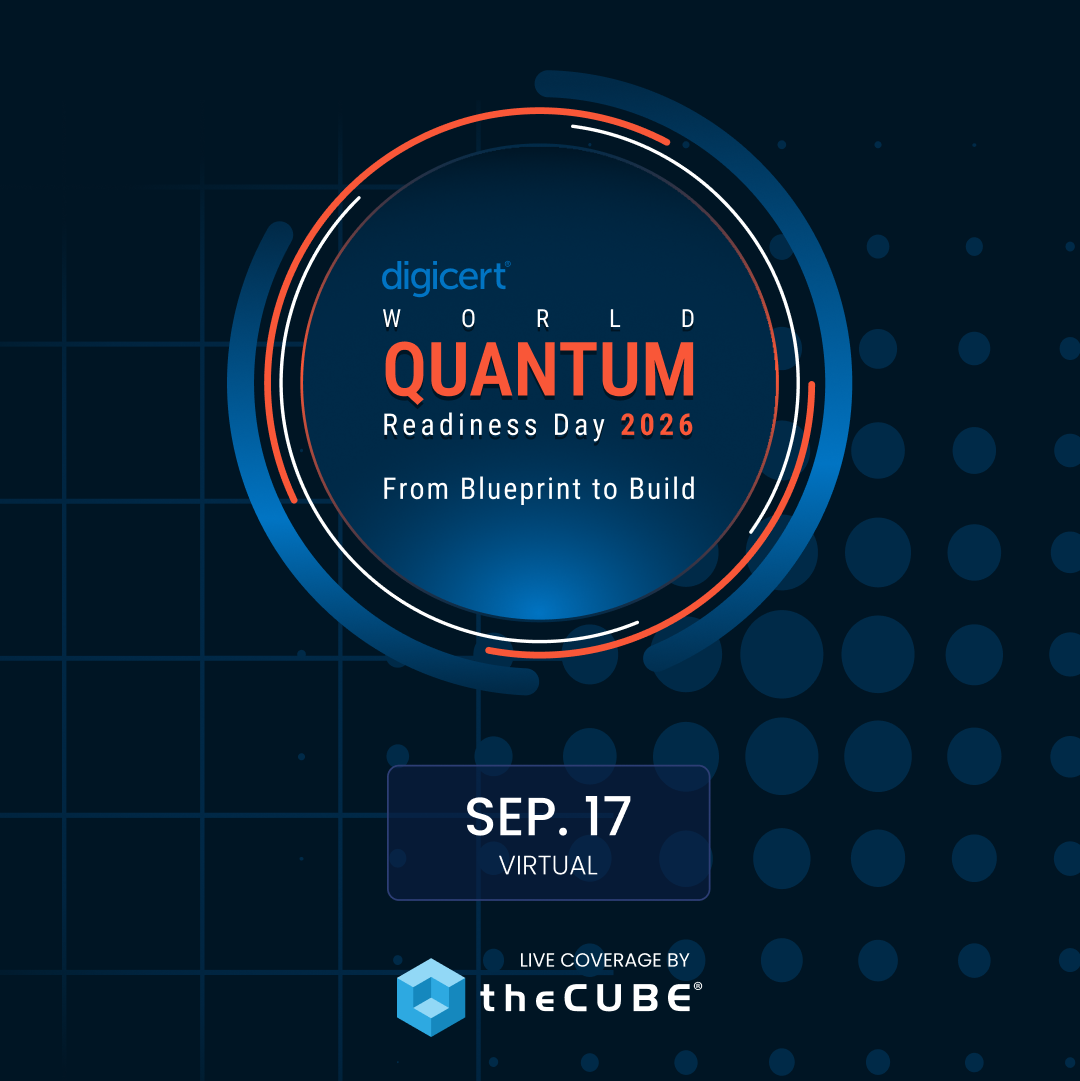
Nickhil Tekwani (pictured, second from left), senior manager of applied AI at OpenGov Inc., is building a company-wide knowledge graph on Snowflake Postgres to create a unified context layer. The company serves 2,000 state and local government customers throughout the United States, or roughly 1 in 3 Americans, through public service and digital infrastructure offerings. OpenGov is using this knowledge graph to unify structured and unstructured data from hundreds of sources into a single context layer that both humans and AI agents can query in real time. The goal is to move from reactive customer support to proactive service delivery.
“When you think about the knowledge graph and having all of your data from hundreds of different data sources in one place, why [the] knowledge graph becomes so interesting now is that … as an agent that needs to interact with this content at runtime, it needs to be performant,” Tekwani said. “Performant knowledge graphs, such as the one we’re building on Snowflake Postgres, is 100% one of the best ways to do that.”
Jon Sweet (left), senior vice president of operations at OpenGov, and Craig Kerstiens (second from right), director of engineering for Postgres at Snowflake Inc., spoke with theCUBE’s Dave Vellante at Snowflake Summit 2026, during an exclusive broadcast on theCUBE, SiliconANGLE Media’s livestreaming studio. They discussed why unifying transactions and analytics enables trusted AI, how government organizations can build the context AI requires and the role of Snowflake Postgres in supporting that architecture. (* Disclosure below.)
The technical foundation underlying OpenGov’s knowledge graph is Snowflake’s acquisition of Crunchy Data, which brought enterprise-grade Postgres into the Snowflake platform and eliminated the brittle ETL pipelines that historically separated transactional systems from analytical ones. Kerstiens described these pipelines as a “necessary evil” because they are fragile and a constant drag on any organization trying to move faster with AI. Unifying transactions and analytics on a single platform eliminates drag and enables the knowledge graph to ingest live, consistent data instead of stale copies.
“In the age of AI, where we want to go faster, that latency of data has a massive impact,” Kerstiens said. “If we can get that from Postgres, your transactional system into your analytical system, then we can start to drive a lot of value.”
The information management problem is the core challenge OpenGov is solving, first for itself and then for its government customers, according to Sweet. AI doesn’t fix a fragmented data estate; it amplifies it. Organizations that try to deploy AI on top of siloed, ungoverned data will spend heavily and get poor results. The knowledge graph, paired with a trusted semantic layer and unified data platform, is what makes AI outputs reliable enough for government use cases, where trust with constituents is paramount.
“You’re going to spend tens of thousands, hundreds of thousands and millions of dollars getting really poor results using AI if you do not have a trusted semantic layer and a trusted data layer,” Sweet said. “The more you can put that in a single place, the more you’re going to simplify the technical solution.”
Looking ahead, both OpenGov guests agreed that the approach they are building internally is the same one they intend to bring to governments across the country. Kerstiens described Snowflake’s ambition as making Postgres disappear into the background behind reliable, unglamorous infrastructure, letting customers focus on AI-powered outcomes rather than maintaining databases.
“We want to solve that problem,” Sweet said. “Then, we want to take that solution and make sure we’re helping governments across America solve that problem for their constituents.”
Here’s the complete video interview, part of SiliconANGLE’s and theCUBE’s coverage of Snowflake Summit 2026:
(* Disclosure: TheCUBE is a paid media partner for the Snowflake Summit event. Neither Snowflake, the sponsor of theCUBE’s event coverage, nor other sponsors have editorial control over content on theCUBE or SiliconANGLE.)
Support our mission to keep content open and free by engaging with theCUBE community. Join theCUBE’s Alumni Trust Network, where technology leaders connect, share intelligence and create opportunities.
Founded by tech visionaries John Furrier and Dave Vellante, SiliconANGLE Media has built a dynamic ecosystem of industry-leading digital media brands that reach 15+ million elite tech professionals. Our new proprietary theCUBE AI Video Cloud is breaking ground in audience interaction, leveraging theCUBEai.com neural network to help technology companies make data-driven decisions and stay at the forefront of industry conversations.