 AI
AI
AI
AI






AI

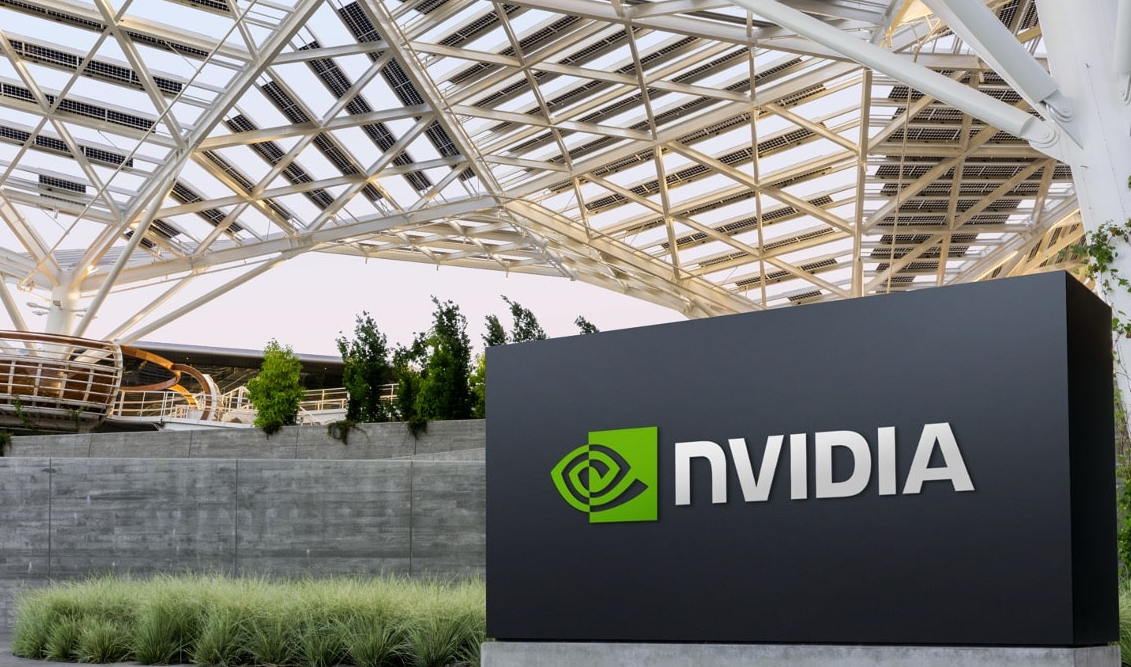
Artificial intelligence chipmaker Nvidia Corp. today announced a slate of new partnerships with some of South Korea’s biggest technology, including the memory chip supplier SK hynix Inc., internet giant Naver Corp. and the multinational conglomerate Doosan Group.
The deals came during a high-profile trip by Nvidia Chief Executive Jensen Huang to the country. He arrived on Friday, and has spent the weekend eating fried chicken with some of South Korea’s most renowned corporate leaders, meeting a well-known eSports video gamer and watching a local baseball game where he had the honor of throwing a pitch.
SK hynix said it has signed a multiyear technology partnership with Nvidia that’s focused on advancing the next-generation of memory chips for use in massive AI data centers. As part of the agreement, it will work with Nvidia to ensure a stable supply of advanced memory for the AI industry. In addition, it will also try to expand its presence into adjacent segments of the AI industry, such as personal AI and physical AI, which is a term that’s used to describe intelligent, autonomous robots and vehicles.
Huang said in a statement that a sustainable supply of memory is essential for building “AI factories” that will power the new AI-led industrial revolution. “Advanced memory is at the core of their performance,” he explained. “By jointly developing next-generation memory for AI factories, we will accelerate the expansion of global AI infrastructure, from frontier model training to agentic AI and physical AI.”
The two partners also want to cooperate on the “simulation technology” that’s required for semiconductor development. SK hynix will use Nvidia’s CUDA-X library and its PhysicsNeMo framework to enhance the speed and efficiency of the simulations it runs to develop and manufacture more advanced chips. This includes technology computer-aided design for analyzing semiconductor process characteristics and computational lithography technologies for implementing chip circuits.
In addition, SK hynix’s sister company SK Telecom will build a new gigawatt-scale AI cloud in South Korea that’s going to be powered by Nvidia’s AI chips and infrastructure. The first of a number of AI data centers in that cloud is slated to come online early next year.
Meanwhile, Nvidia is cooperating with Naver and Doosan on additional AI data center projects, it said in separate announcements.
In the case of Naver, the collaboration will kick off at its data center in Gak Sejong, where it already operates AI infrastructure. The companies will work to expand the capacity of that facility and later also build additional gigawatt-scale AI factories, although the plans are dependent on Naver’s future capacity procurement and also the availability of power supplies, they said.
As for Doosan, which is developing intelligent robotics and also makes components for Nvidia’s graphics processing units, it’s planning several ventures with Nvidia. For instance, the U.S. chipmaker plans to use its energy solutions in its data center platforms. Meanwhile, Doosan will utilize Nvidia’s physical AI technology to power its robots.
The partnerships should help to expand Nvidia’s presence in South Korea, which is one of the world’s major technology manufacturing powerhouses, home to massive chip, electronics, car and ship-making industries. SK hynix and its rival Samsung Electronics Co. Ltd. are two of the world’s three biggest makers of memory chips, which are vital components for AI data centers.
Support our mission to keep content open and free by engaging with theCUBE community. Join theCUBE’s Alumni Trust Network, where technology leaders connect, share intelligence and create opportunities.
Founded by tech visionaries John Furrier and Dave Vellante, SiliconANGLE Media has built a dynamic ecosystem of industry-leading digital media brands that reach 15+ million elite tech professionals. Our new proprietary theCUBE AI Video Cloud is breaking ground in audience interaction, leveraging theCUBEai.com neural network to help technology companies make data-driven decisions and stay at the forefront of industry conversations.