 INFRA
INFRA



INFRA

Demand for artificial intelligence infrastructure has outrun available supply, and the imbalance is changing how enterprises buy technology. The old tactic of waiting for an end-of-quarter discount now risks leaving a project stuck in line for hardware.
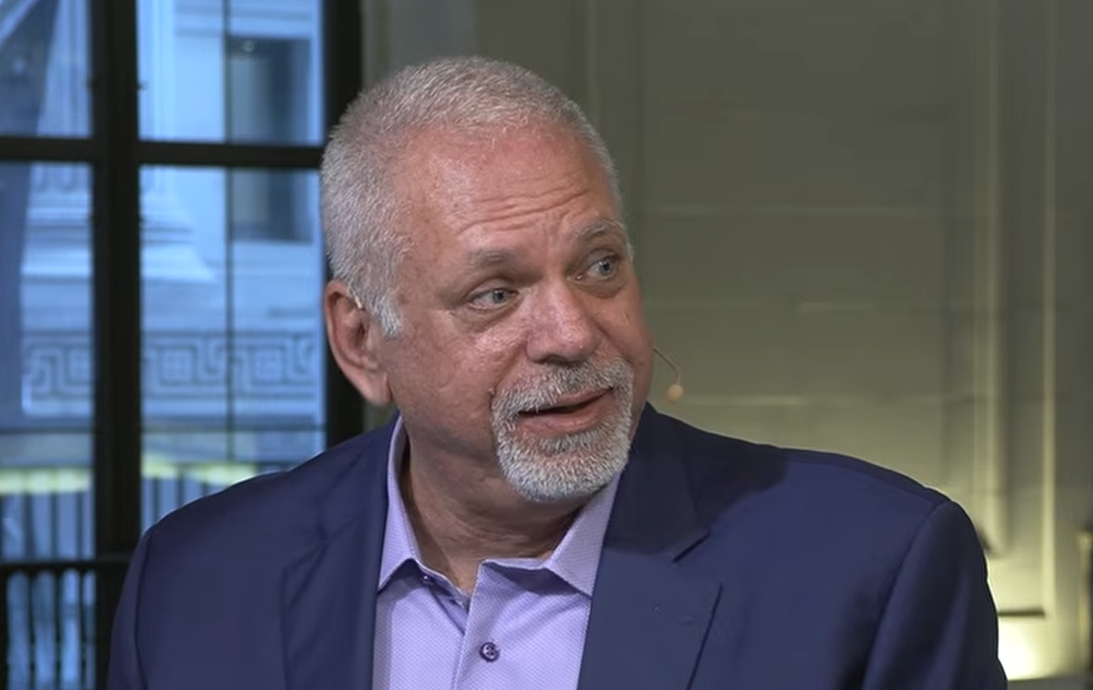
Few companies sit closer to that shift than Dell Technologies Inc., whose AI server sales drove a strong earnings beat in its latest quarter even as component costs rose. Winning in this market depends less on answering requests for proposals and more on planning alongside customers long before one is issued, according to David Schmoock (pictured), senior vice president of global revenue operations at Dell.
Earlier this year, many buyers didn’t see the shortage coming. “I think it is a period of turbulence,” Schmoock said. “I think people are waking up to say we need to plan longer-term horizons.”
Schmoock spoke with theCUBE Research’s Dave Vellante at the Dell Technologies New York Symposium, during an exclusive broadcast on theCUBE, SiliconANGLE Media’s livestreaming studio. They discussed how supply constraints, workflow redesign and token economics are changing the way Dell and its customers plan for AI. (* Disclosure below.)
Demand began accelerating last November, and the surge in graphics processing unit servers for AI pulled standard x86 servers along with it, Schmoock explained. Dell Chief Operating Officer Jeff Clarke told investors in September that shortages had spread beyond memory, storage and central processing units to rack-level cooling, networking and power components. In that environment, Dell is asking customers to share deployment plans far earlier than in past hardware cycles.
“The key, though, is how do we plan with our customers earlier? If you come to us late in our cycle, yeah, we’ll respond to [a request for proposal] just like anyone else,” he said. “But you wouldn’t have that collaborative planning that may delay your rollout.”
The conversation with buyers has changed as well. Price once dominated negotiations, but the market is entering a period of cost inflation, and customers for whom technology is the product, such as high-frequency traders, have been among the first to secure delivery schedules, according to Schmoock.
Beyond securing hardware, enterprises also need to reconsider how they deploy AI to get the most value from their investments. Dell is sharing what it has learned from its own AI rollout, and the biggest lesson is that order matters: Redesign workflows first, then fix the data layer.
“If all you do is apply AI to existing processes, you’ll get a slight improvement in productivity,” Schmoock said. “You’re not going to get the [tenfold gains] that we all want to go drive.”
That approach has helped Dell decouple revenue growth from operating expenses, which traditionally rose in parallel, he noted. The next challenge is managing a cost base that blends people with AI tokens. He compared the task to a National Football League salary cap: A team can afford only one star quarterback, so it must fill the rest of the roster with lower-cost players who still contribute.
“Thinking of tokens is no different. You can only use frontier models for so much of your work,” he said. “You’re going to have to use older versions, you’re going to have to use open-source models, you’re going to have to use machine learning.”
Just as companies must balance the cost of different AI models, they also need to plan for the broader infrastructure that supports their workloads. AI is not just about buying GPU servers, he said; it also involves traditional x86 workloads that don’t require tokens, as well as desktops and workstations that can run inference at the edge. Customers who arrive too late in the process leave Dell scrambling for supply.
“We didn’t do that collaborative planning, and now your project may have been delayed 60, 90, 120 days, which has both the cost impact and a business impact,” Schmoock said, describing the cost of arriving late in a strained AI supply chain. “I would say bring us in earlier. Allow us to do that collaboration with you. I think at the end of the day you get the most optimal outcome.”
Here’s the complete video interview, part of SiliconANGLE’s and theCUBE’s coverage of the Dell Technologies New York Symposium:
(* Disclosure: TheCUBE is a paid media partner for the Dell Technologies New York Symposium. Neither Dell, the sponsor of theCUBE’s event coverage, nor other sponsors have editorial control over content on theCUBE or SiliconANGLE.)
Support our mission to keep content open and free by engaging with theCUBE community. Join theCUBE’s Alumni Trust Network, where technology leaders connect, share intelligence and create opportunities.
Founded by tech visionaries John Furrier and Dave Vellante, SiliconANGLE Media has built a dynamic ecosystem of industry-leading digital media brands that reach 15+ million elite tech professionals. Our new proprietary theCUBE AI Video Cloud is breaking ground in audience interaction, leveraging theCUBEai.com neural network to help technology companies make data-driven decisions and stay at the forefront of industry conversations.