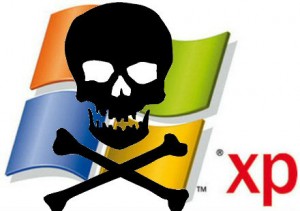
 It was around this time last year that Microsoft confirmed that it would be ending its support for Windows XP, refusing to extend the life of its old operating system any longer as it bids to push people to upgrade to its newer software.
Windows XP is a battle-hardened warrior in the computer world, and having been around since 2002 it’s one of the longest-lived operating systems ever built. But the end of support is likely to usher in its retirement far faster than many people would like, with no more updates and no more protection from cyberattacks without running a third-party protection system.
There comes a time when we all have to move forward and embrace the latest technologies – but putting the older ones to bed isn’t always that easy for some. In the case of Windows XP, we have an OS that was designed to be very easy to implement, and simple enough that even those without any computer experience could learn to use it quite rapidly. Such is the ease of XP that it became the choice OS for thousands of businesses all over the world, and many of these are still using it today. Indeed, 95 percent of all ATMS in the world still rely on the soon-to-be-dead OS. Microsoft might be desperate for all of these stubborn XP users to let go of the past, but it needs to appreciate that’s easier said than done for many of its customers.
It’s less of an issue for personal users, who can update their operating system with just one purchase. Buy a shiny new machine and it’ll no doubt come with Windows 7 or 8 already running on it, it’s that easy. But lots of people might not be ready for this step just yet – thanks to XP’s user-friendliness it’s likely that many won’t feel the need to update to a newer operating system, even if it impedes their progress into the modern world. Consider your 63-year old mother, who’s barely learned how to chat with you on Skype and browse a few websites using XP – is she really ready for the leap to Windows 8? And don’t forget that many people these days own tablets and smartphones, with their PCs just being used for ‘work’ tasks and other boring stuff. Such people are unlikely to prioritize upgrading to a new OS just yet, and probably won’t do so until the machine itself draws its last breath.
For a business, the issues are even more complex. Transitioning an army of PCs and workers to a new operating system is a long and grueling process. Imagine a company whose workforce is only trained to use XP – that company will have to go through a long and costly process of updating its PCs and retraining. This means buying new hardware and wasting man hours in teaching people how to use it – an extremely expensive endeavor for smaller businesses, while for larger companies the costs will be measured in how long it takes them to get up to speed.
Businesses should remember that the success of any transition will depend on their staff’s attitude too. Stubborn, grumpy XP users are not going to take too kindly to having to learn a new operating system, whether it’s necessary or not. And it’s not only offices that have to deal with this problem. ATMs, cash registers and all kinds of other systems are also running Windows XP, and sooner or later these are going to need to be upgraded to prevent security vulnerabilities. But the reality is that XP will likely be around for some time to come, even if Microsoft is trying its damnedest to kill it.
Support our mission to keep content open and free by engaging with theCUBE community. Join theCUBE’s Alumni Trust Network, where technology leaders connect, share intelligence and create opportunities.
Founded by tech visionaries John Furrier and Dave Vellante, SiliconANGLE Media has built a dynamic ecosystem of industry-leading digital media brands that reach 15+ million elite tech professionals. Our new proprietary theCUBE AI Video Cloud is breaking ground in audience interaction, leveraging theCUBEai.com neural network to help technology companies make data-driven decisions and stay at the forefront of industry conversations.