 WIKIBON
WIKIBON
WIKIBON









WIKIBON

The growing concern over privacy has finally caught up to Google Inc., at least in the public cloud, where its widely used infrastructure-as-a-service platform received a small but important update this morning that brings customers the ability to protect their data using their own encryption keys. That provides a much-needed alternative to the default security functionality
It’s not that there is anything wrong with Google’s encryption per se. Quite the opposite. The search giant uses industry-standard AES-256 bit keys to safeguard the data kept in its cloud and follows strict security procedures that directly contribute to the fact that the platform has not experienced so much as a single major breach in the seven years since its launch.
Google Cloud Platform is still vulnerable to government snooping, though, which is no less a cause of concern among the nowadays typically privacy-conscious developers who constitute the lynchpin of its user base. The new encryption option will help mitigate those worries, though the search giant has an entirely different audience in mind with the launch.
The added complexity of manual key management is usually only worth the hassle for large organizations in heavily-regulated industries such as healthcare and financial services that are legally bound to handle their own encryption. The desire to address that potentially hugely lucrative market that lies in behind Google’s update had previously driven its competitors down the same route.
Microsoft Corp. introduced a key management service of its own six months ago that organizes ciphers based on importance and provides integration with on-premise encryption appliances. The launch was mainly a response to Amazon Inc., which, as the originator of the entire cloud movement and the reigning infrastructure-as-a-service, has naturally offered similar functionality long before.
The update to Google’s platform levels the playing field somewhat. Organizations can now control the rates at which keys are refreshed and use a different cryptographic algorithm than AES-256 if need be. But with the competitive focus in the public cloud increasingly shifting from pricing to value-added features, the search giant is not likely to settle for that. As a result, customers can most likely expect more advanced functionality to arrive further down the line.
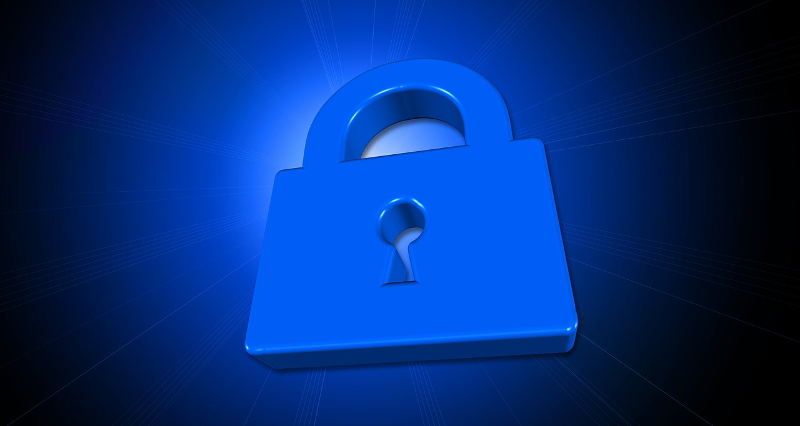
Photo via Geralt
Support our mission to keep content open and free by engaging with theCUBE community. Join theCUBE’s Alumni Trust Network, where technology leaders connect, share intelligence and create opportunities.
Founded by tech visionaries John Furrier and Dave Vellante, SiliconANGLE Media has built a dynamic ecosystem of industry-leading digital media brands that reach 15+ million elite tech professionals. Our new proprietary theCUBE AI Video Cloud is breaking ground in audience interaction, leveraging theCUBEai.com neural network to help technology companies make data-driven decisions and stay at the forefront of industry conversations.