 WIKIBON
WIKIBON
WIKIBON


WIKIBON

Cloud-native applications are the keys to business success going forward for virtually all organizations. New born-on-the-cloud companies like Airbnb Inc. are revolutionizing vertical industries with these applications, and traditional businesses are hurrying to catch up to avoid being disrupted. This new breed of modular, micro-service-based application will define business success today just as ERP and CRM did in the 1990s and Web-based customer-facing systems did in the early 2000s.
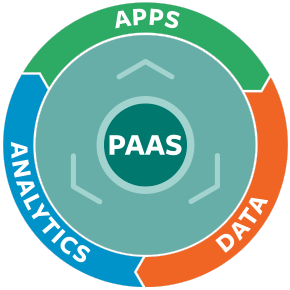
Cloud-native applications are built on cloud development platforms, either developed internally or accessed as platform-as-a-service (PaaS). Choosing the right PaaS, however, has its own complexities, writes Wikibon Analyst Brian Gracely. These public platforms are evolving quickly along two lines, which Gracely dubs Unstructured and Structured.
Unstructured platforms are usually built by born-on-the-cloud startups and Web-scale businesses from a mix of cloud services and homegrown tools. As they evolve, they leverage container technologies as their underlying infrastructures. The creators of these platforms are starting to work together to bring some structure to their efforts through the Open Container Initiative (OCI) and Cloud Native Computing Foundation (CNCF). Several are built on top of Amazon Web Services IaaS-level services (EC2, S3, ELB, RDS, EMR).
Structured platforms include Cloud Foundry, Red Hat, Inc.’s OpenShift, Apprenda Inc.’s namesake platform and Apcera Inc.’s Hybrid Cloud OS. These target enterprise and mid-market companies, governments and service providers. Legacy application integration is a major consideration in their design. They are heavy users of open source technologies, support multiple programming languages and frameworks and have security features built in.
Each PaaS has its own advantages, so choosing the right platform for a particular company or project depends on the organization’s specific needs. Gracely provides several general criteria to consider when making that choice, as well as obvious technical issues such as the languages the platform supports and potential vendor or service provider lock-in.
For many CIOs, creating a PaaS platform strategy will be a top priority in 2015 and ’16. This Professional Alert, “Cloud Native Application Platforms – Structured and Unstructured” is the first of a planned series on Cloud Native Application Platforms that will explore the market, technology, operations and organizations enabling next generation applications. Gracely has already published the second piece in this series, “Technical Dive into Cloud Native Application Platforms”.
Support our mission to keep content open and free by engaging with theCUBE community. Join theCUBE’s Alumni Trust Network, where technology leaders connect, share intelligence and create opportunities.
Founded by tech visionaries John Furrier and Dave Vellante, SiliconANGLE Media has built a dynamic ecosystem of industry-leading digital media brands that reach 15+ million elite tech professionals. Our new proprietary theCUBE AI Video Cloud is breaking ground in audience interaction, leveraging theCUBEai.com neural network to help technology companies make data-driven decisions and stay at the forefront of industry conversations.