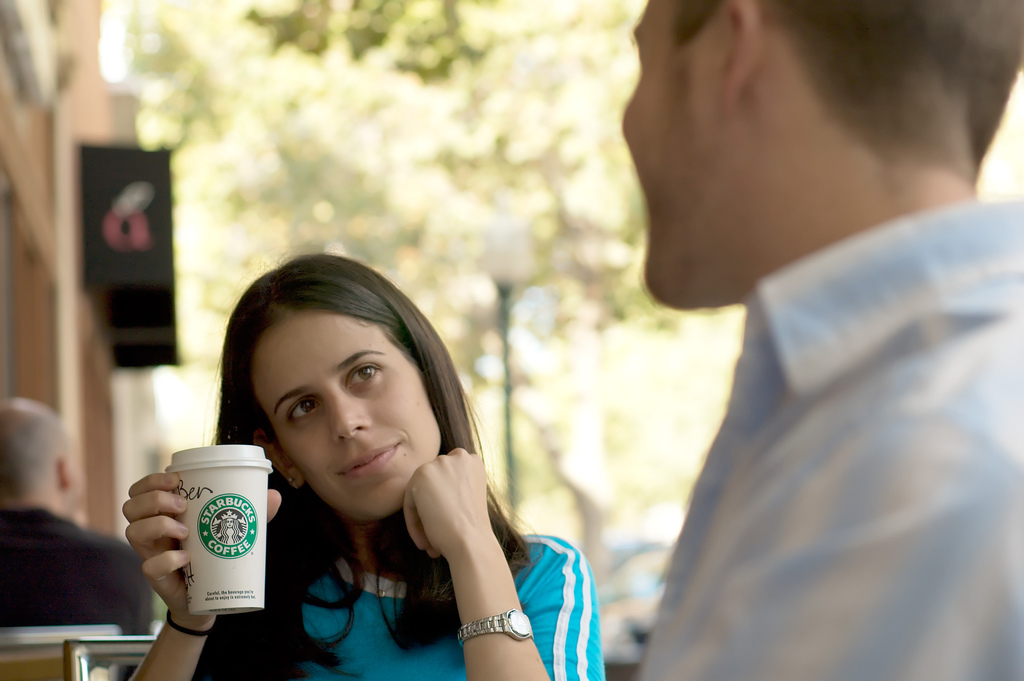









The days of celebrities and influencers taking money for content and product placements without disclosure may be numbered, with news that the Federal Trade Commission (FTC) is cracking down on the practice.
The crackdown on paid posts will require celebrities and advertisers to be explicit in telling viewers that the content has been paid for and that a hashtag such as #ad, #sp, or #spon, or below the fold YouTube disclosure won’t be enough.
“We’ve been interested in deceptive endorsements for decades and this is a new way in which they are appearing,” FTC Ad Practices Division Deputy Michael Ostheimer told Bloomberg. “We believe consumers put stock in endorsements and we want to make sure they are not being deceived.”
“If consumers don’t read the words, then there is no effective disclosure,” Ostheimer added. “If you have seven other hashtags at the end of a tweet and it’s mixed up with all these other things, it’s easy for consumers to skip over that. The real test is, did consumers read it and comprehend it?” He noted that disclosures like this would be more useful if they came earlier in the post.
Ostheimer didn’t offer any specifics as to how the FTC planned to crackdown on the practice, but indicated that they would likely focus on the companies behind the products being promoted versus the celebrities and influencers being paid; in theory going after the companies would force those companies to make sure those they were paying disclosed the relationship, a top-down result that would be easier to enforce.
The FTC’s interest in a broad crackdown against celebrity endorsements follows the settlement in a case against Warner Bros. which was charged over deceiving customers by paying internet influencers to promote the video game Middle-Earth: Shadow of Mordor with positive views without disclosing the paid relationship; a subsequent case against retailer Lord & Taylor claimed similar deceptive tactics.
While media outlets tend to be more upfront about sponsored content the same can’t be said for celebrities and influencers who don’t come from a background of disclosure; it’s not as if they are intentionally trying to deceive versus simply extending what was common practice offline to the online world when it comes to product placement.
That said, the move is long overdue. In 2016 users don’t know what is a paid product placement and what is not.
Going after the companies also makes sense on every level: a brand trying to promote a product might pay or give free product to dozens, if not more people making enforcement at the end point far more difficult to achieve; forcing companies to make sure the people they are paying disclose up front is a far easier task.
Support our mission to keep content open and free by engaging with theCUBE community. Join theCUBE’s Alumni Trust Network, where technology leaders connect, share intelligence and create opportunities.
Founded by tech visionaries John Furrier and Dave Vellante, SiliconANGLE Media has built a dynamic ecosystem of industry-leading digital media brands that reach 15+ million elite tech professionals. Our new proprietary theCUBE AI Video Cloud is breaking ground in audience interaction, leveraging theCUBEai.com neural network to help technology companies make data-driven decisions and stay at the forefront of industry conversations.