 EMERGING TECH
EMERGING TECH
EMERGING TECH











EMERGING TECH

Russia is the latest on a growing list of nations that don’t like cryptocurrencies. The country has blocked access to cryptocurrency exchanges in a move that could result in an outright ban.
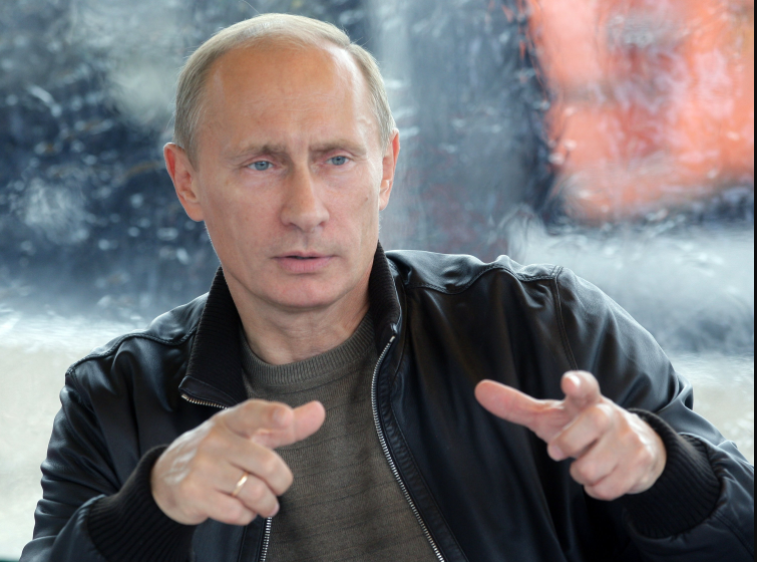
The country’s central bank issued a decree Tuesday to block all cryptocurrency exchanges within its borders, prompting President Vladimir Putin to tell local press that cryptocurrencies are often issued by anonymous sources and could be used for money laundering and the financing of terrorism. Those risks include “opportunities to launder funds acquired through criminal activities, tax evasion, even terrorism financing, as well as the spread of fraud schemes,” he added.
Central Bank First Deputy Governor Sergei Shvetsov added his two rubles, telling a conference in Moscow that the currencies were “dubious” and investors needed to be protected. “We cannot stand apart,” he said “We cannot give direct and easy access to such dubious instruments for retail (investors).”
The crackdown by Russia on cryptocurrencies comes as a surprise given that the country had previously indicated that it was considering legalizing their use. Back in April, Russian Deputy Finance Minister Aleksey Moiseev said that monitoring cryptocurrencies could be an instrumental tool against money laundering and that bitcoin and other digital currencies could be recognized as a way for the government to develop rules against illegal transfers.
Prior to that surprise deceleration, Russia has had a bizarre history when it comes to cryptocurrencies. The country banned bitcoin sites in January 2015 before the decision was overturned later the same year. The Russian finance ministry called for an outright bitcoin ban in June 2016 with the exception of foreign currency transactions. In August 2016, Russia saw the launch of its first physical bitcoin exchange in Moscow, which opened despite the uncertainty about the legal status of bitcoin in the country.
Russia joins a growing list of countries that have either banned cryptocurrency trading or are attempting to ban their use outright. China started the trend, first banning initial coin offerings in September before going further and banning bitcoin exchanges altogether. South Korea stopped ICOs later the same month and it could ban cryptocurrency exchanges as well in the near future.
Support our mission to keep content open and free by engaging with theCUBE community. Join theCUBE’s Alumni Trust Network, where technology leaders connect, share intelligence and create opportunities.
Founded by tech visionaries John Furrier and Dave Vellante, SiliconANGLE Media has built a dynamic ecosystem of industry-leading digital media brands that reach 15+ million elite tech professionals. Our new proprietary theCUBE AI Video Cloud is breaking ground in audience interaction, leveraging theCUBEai.com neural network to help technology companies make data-driven decisions and stay at the forefront of industry conversations.