 BIG DATA
BIG DATA
BIG DATA



BIG DATA

Anybody wondering which data software has the depth and scale to handle their analytics project? Ask the National Ignition Facility. It provides scientists with data on how matter behaves under high pressures and temperatures.
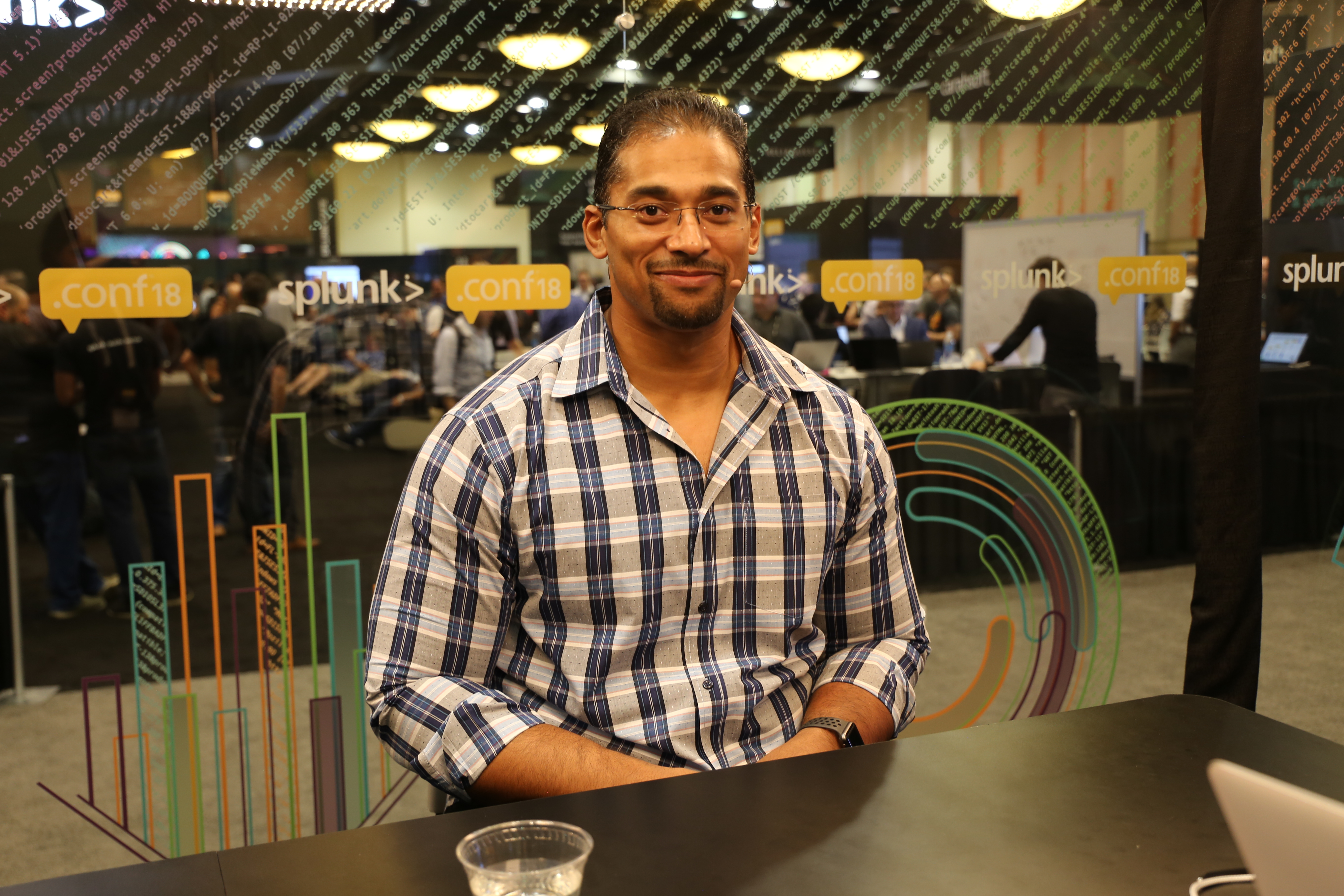
“If you actually look on Google Earth, and you look over Nevada, you’ll see a lot of craters in the desert,” said Phillip Adams, chief technology officer and lead architect at the National Ignition Facility. Those are marks left by underground nuclear testing, which the government no longer allows.
The National Ignition Facility is where scientists can go nowadays to simulate events such as the detonation of a nuclear warhead, the birth of a star, etc. This might entail directing 192 beams from the world’s largest laser onto a target the size of a BB filled with deuterium and tritium in a facility the size of a football stadium.
The facility has 66,000 control points. “It takes an army to make a machine like this work,” Adams said. “You’ve got Ph.D.’s working with engineers, working with [information technology] people, working with software developers.”
Collecting and analyzing all necessary data, for both the scientists and for the upkeep of the facility, requires a serious armament of technology.
Adams spoke with Dave Vellante (@dvellante) and Stu Miniman (@stu), co-hosts of theCUBE, SiliconANGLE Media’s mobile livestreaming studio, during the Splunk .conf18 event in Lake Buena Vista, Florida. They discussed the facility’s mission and how if meets its gargantuan data needs with Splunk’s technology. (* Disclosure below.)
Before Splunk, facility members spent a lot time fussing with traditional data warehousing. They used to sink hours into determining which content to target, then organizing those data sets into rows and tables. With Splunk, almost at the speed of thought, they can pull up data for analysis even if it hasn’t been properly “on-boarded,” he said.
“By being able to collect all of that information into a central place, we can figure out which devices are starting to misbehave, which need servicing, and make sure that the environment is functional as well as reproducible for the next experiment.”
Watch the complete video interview below, and be sure to check out more of SiliconANGLE’s and theCUBE’s coverage of the Splunk .conf18 event. (* Disclosure: TheCUBE is a paid media partner for Splunk .conf18. Neither Splunk Inc., the event sponsor, nor other sponsors have editorial control over content on theCUBE or SiliconANGLE.)
Support our mission to keep content open and free by engaging with theCUBE community. Join theCUBE’s Alumni Trust Network, where technology leaders connect, share intelligence and create opportunities.
Founded by tech visionaries John Furrier and Dave Vellante, SiliconANGLE Media has built a dynamic ecosystem of industry-leading digital media brands that reach 15+ million elite tech professionals. Our new proprietary theCUBE AI Video Cloud is breaking ground in audience interaction, leveraging theCUBEai.com neural network to help technology companies make data-driven decisions and stay at the forefront of industry conversations.