 AI
AI
AI
AI











AI

The widespread accessibility of sturdy, low-cost cameras has been a boon for researchers monitoring wildlife populations in remote parts of the world. But inspecting camera footage takes time and there are only so many people available to do it, which often creates blind spots for the conservation community.
DeepMind LLC believes that artificial intelligence can provide a solution. Today, the Alphabet Inc. said it’s working on using machine learning to track animals in the Serengeti National Park in Tanzania.
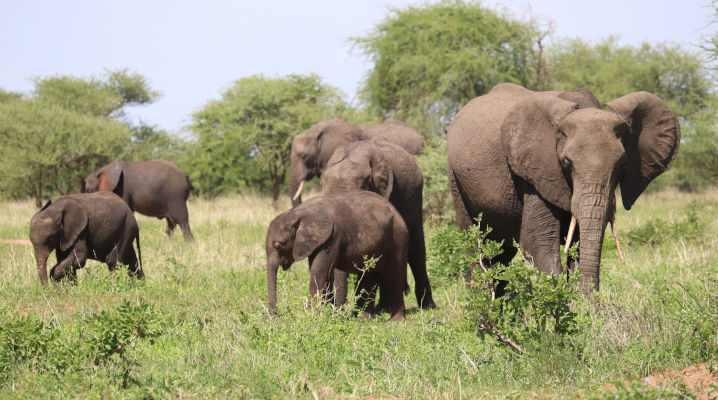
The initiative is a collaboration between DeepMind and a number of ecologists and conservationists in the region. It builds off an animal tracking program launched almost a decade ago, when a lion conservation group set up hundreds of motion-triggered cameras throughout the national park. Researchers use the photos from these cameras to study the behavior, geographic distribution and population size of large mammal species.
The challenge is that the animals in the pictures must be carefully labeled by hand for the data to be of scientific value. Because of the large volume of images and shortage of manpower, up to 12 months can pass from the time a specimen is photographed until a human adds in the necessary annotation.
DeepMind has built a machine learning model that it says can shorten the wait by as much as nine months. The AI not only has the capacity to detect and identify animals in a photo but also counts them at the same time. Though still a work in progress, DeepMind said, the model is already capable of cataloging species with accuracy on par with or better than that of humans.
What makes it a particularly impressive feat is that quality of footage from automatic cameras is far from consistent. “Camera trap data can be hard to work with – animals may appear out of focus, and can be at many different distances and positions with respect to the camera,” DeepMind’s researchers wrote on the group’s blog. From certain angles, even a human can struggle to accurately identify an animal.
DeepMind honed the model’s accuracy by training it on 4,149 human-annotated image collections. The photos came from Snapshot Serengeti, an online crowdsourcing portal through which volunteers manually catalog wildlife photos to assist experts. Given that DeepMind’s model can already match the accuracy of the human volunteers, it’s possible future versions of the model may remove the need for manual annotations altogether.
Preparations to deploy the software in the field are now underway. “Field work is challenging, and fraught with unexpected hazards such as failing power lines and limited or no internet access,” DeepMind’s researchers wrote. “We are currently preparing the software for deployment in the field, and looking at ways to safely run our pre-trained model with modest hardware requirements and little Internet access.”
Support our mission to keep content open and free by engaging with theCUBE community. Join theCUBE’s Alumni Trust Network, where technology leaders connect, share intelligence and create opportunities.
Founded by tech visionaries John Furrier and Dave Vellante, SiliconANGLE Media has built a dynamic ecosystem of industry-leading digital media brands that reach 15+ million elite tech professionals. Our new proprietary theCUBE AI Video Cloud is breaking ground in audience interaction, leveraging theCUBEai.com neural network to help technology companies make data-driven decisions and stay at the forefront of industry conversations.