 AI
AI
AI
AI










AI

As artificial intelligence transforms everything from climate models to drug discovery, AI-accelerated supercomputing is emerging as the new engine of open science — and Horizon is designed to sit at the center of that shift.
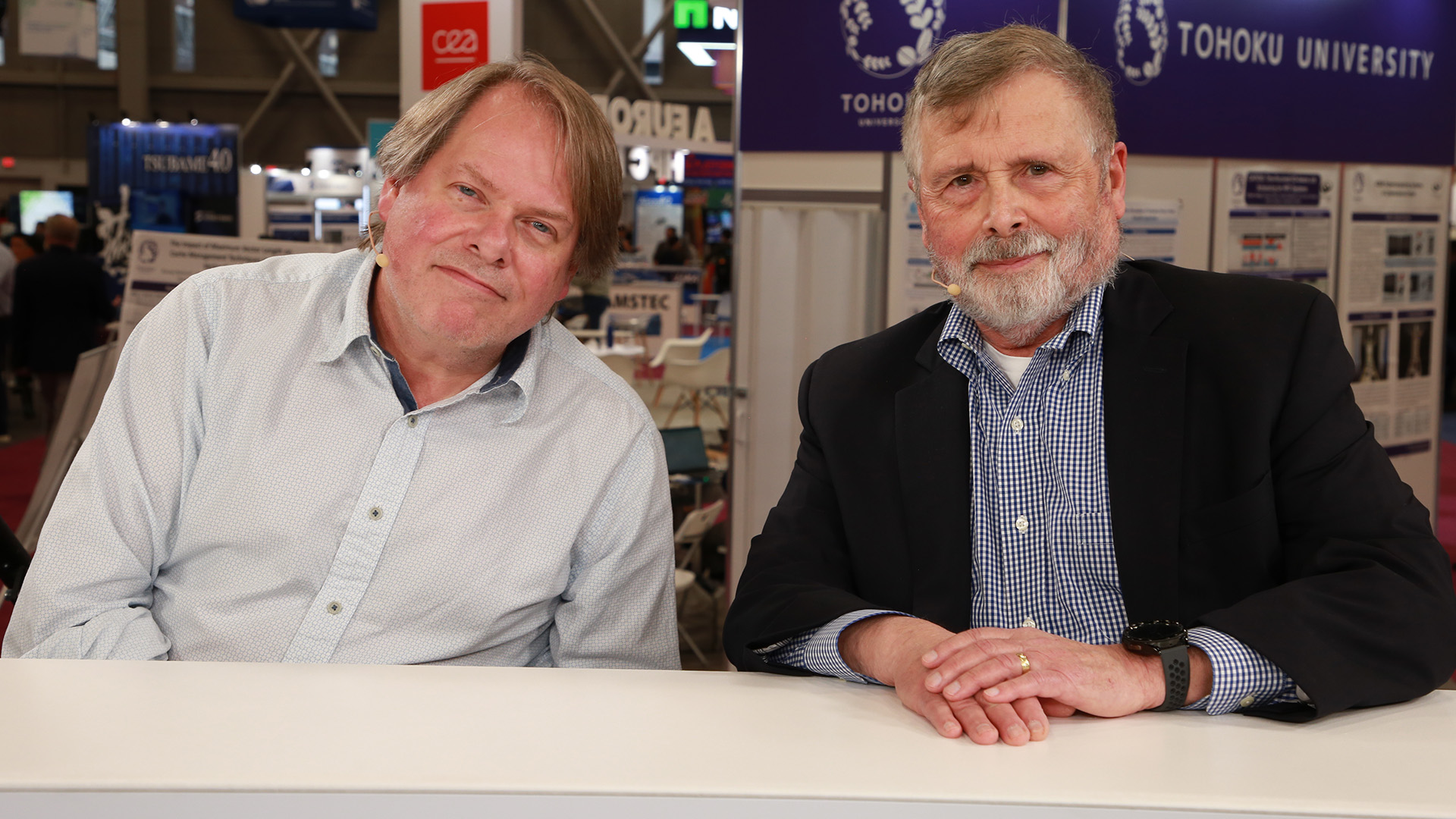
The rollout of the Horizon system at the Texas Advanced Computing Center represents a definitive shift in the architecture of AI-accelerated supercomputing. With the installation of the hardware currently underway, the project is poised to deliver a massive generational leap in capability for the open science community, according to John Cazes (pictured, left), director of high-performance computing at TACC.
“What this system will provide is an increase in performance and capability of about 10x,” Cazes told theCUBE. “This is the largest, most powerful system we’ve ever built.”
Cazes and Tony Rea (right), global AI infrastructure lead, Global Tech Office, at Dell Technologies Inc., spoke with theCUBE’s John Furrier and Dave Vellante at SC25, for an exclusive interview on theCUBE, SiliconANGLE Media’s livestreaming studio. They discussed the Horizon system architecture and the democratization of research resources. (* Disclosure below.)
The Horizon Project is a colossal undertaking designed to support open science in the U.S., featuring 4,000 graphics processing units and over 4,700 compute nodes, Cazes explained. The system aims to deliver a tenfold increase in performance and capability for researchers. However, achieving this requires a departure from standard reference architectures to accommodate the unique latency and density requirements of scientific workloads.
“We needed a system that we could build [densely], because in [high-performance computing], nearness of computing matters because of latency,” Cazes said. “We needed something a little different than the standard Nvidia design, the NVL 72. Our racks are twice as dense as their NVL 72 rack — 144 GPUs per rack.”
To manage the substantial thermal output — over 200 kilowatts per rack — TACC partnered with Dell to implement the necessary infrastructure, Cazes explained. That includes a design that utilizes Dell’s IR 7000 ORV3 racks, which replace traditional power cabling with busbars to handle the density, Rae added.
“Designing these things is really difficult,” Rea said. “We’re one of the few vendors that can actually ship systems of this density that are actually reliable and will keep running after day one.”
To prove out the architecture, the system was validated against 11 specific research applications, ranging from molecular dynamics to astrophysics, rather than standard benchmarks, Cazes told theCUBE.
“Unlike regular benchmarks, which are pretty static … These are science projects and we work with the scientists to improve their applications,” Cazes said. “The increase in performance isn’t just, ‘I ran the same application, it was faster.’ It was, ‘I got more science done.’”
Horizon also addresses a critical bottleneck in the research community: accessibility. While massive commercial clusters exist, they are rarely accessible to academic researchers. Horizon changes that dynamic by offering a “capability system” where large-scale projects can utilize significant portions of the machine. This democratization ensures that the benefits of accelerated computing extend beyond commercial interests, Rea explained. It fosters a new generation of open science capable of leveraging the most advanced AI tools available.
“The 4,000 GPUs now are available for researchers,” Rea said. “Researchers have a lot of trouble getting access to the number of GPUs at that level … [Horizon] allows them to use GPUs at scale to advance their research.”
Here’s the complete video interview, part of SiliconANGLE’s and theCUBE’s coverage of SC25:
(* Disclosure: Solidigm sponsored this segment of theCUBE. Neither Solidigm nor other sponsors have editorial control over content on theCUBE or SiliconANGLE.)
Support our mission to keep content open and free by engaging with theCUBE community. Join theCUBE’s Alumni Trust Network, where technology leaders connect, share intelligence and create opportunities.
Founded by tech visionaries John Furrier and Dave Vellante, SiliconANGLE Media has built a dynamic ecosystem of industry-leading digital media brands that reach 15+ million elite tech professionals. Our new proprietary theCUBE AI Video Cloud is breaking ground in audience interaction, leveraging theCUBEai.com neural network to help technology companies make data-driven decisions and stay at the forefront of industry conversations.