 SECURITY



SECURITY

Post-quantum cryptography is gaining urgency as attackers collect encrypted data they hope to decrypt later with quantum computers.
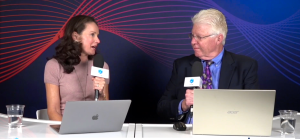
Stolen data is only part of the problem. A future quantum computer could also forge the signatures that tell a laptop or server its firmware is genuine, according to Rick Martinez (pictured, right), fellow and vice president of client solutions at Dell Technologies Inc. Code written by an attacker would then pass the same checks as code from the manufacturer.
“We think of this in terms of trust now, forge later,” Martinez said. “Instead of kind of attacking that confidentiality of encryption of data, these quantum computers will actually be able to attack the integrity of the actual system that runs everything from the bottom up.”
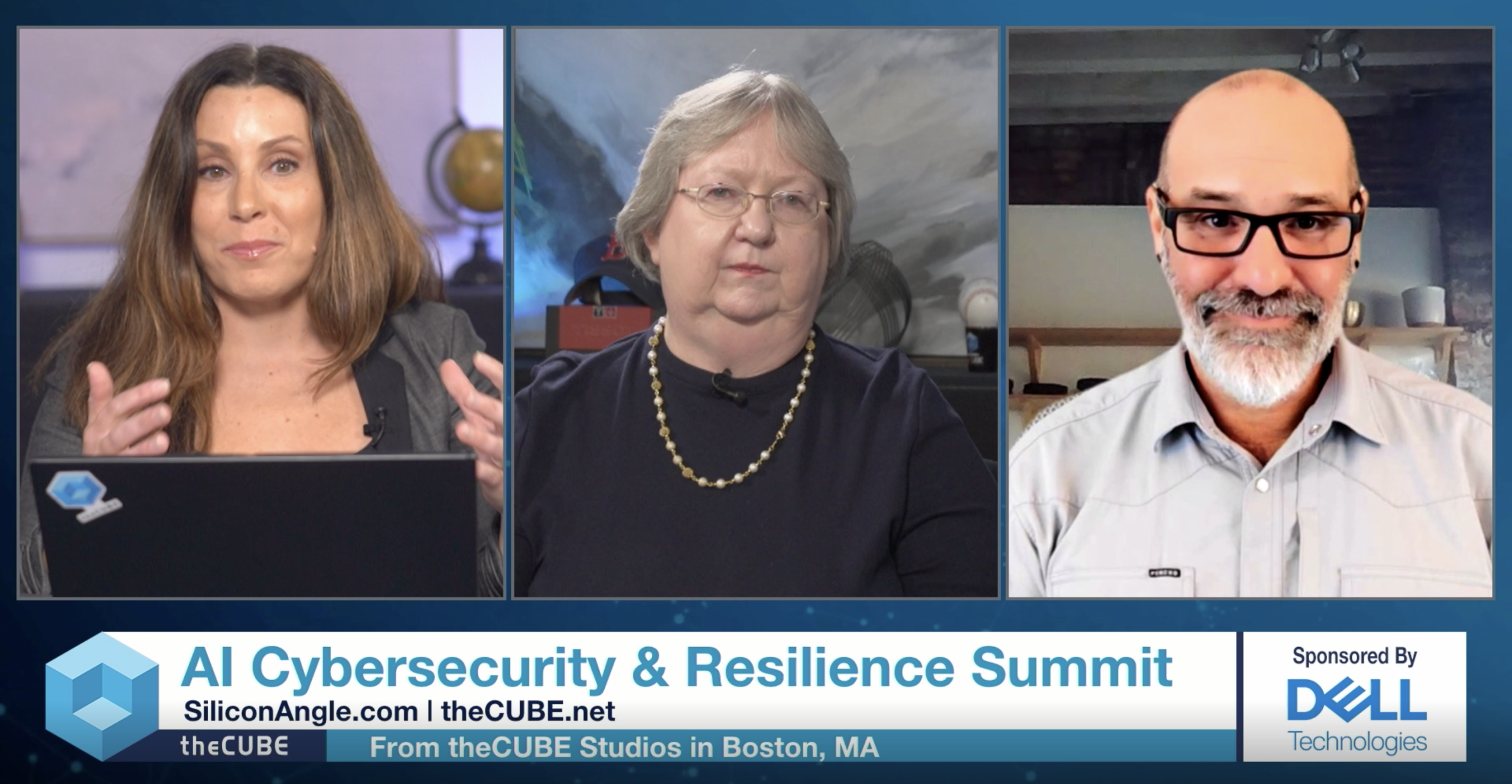
Martinez and Judy Furlong (center), senior distinguished engineer at Dell, spoke with theCUBE’s Krista Case (left) at the AI Cybersecurity and Resilience Summit, during an exclusive broadcast on theCUBE, SiliconANGLE Media’s livestreaming studio. They discussed how enterprises can protect firmware and storage as they transition to post-quantum cryptography. (* Disclosure below.)
Dell has already made changes on the PC side. Dell Pro systems now use a post-quantum algorithm in the embedded controller, which is the first part of the system to fetch code at startup. The company has also moved to quantum-resistant hashing for its off-host BIOS checks, Martinez explained.
“We want to make sure that that verification algorithm that is baked into the system when you buy it already understands PQC — already uses the stronger resilient algorithms so that we can avoid that tamper opportunity for those future adversaries that may have quantum computers,” he said.
Storage is harder to secure because cryptography shows up at every layer. It runs through hardware and software and into the identity and intrusion-detection tools each array connects to, according to Furlong.
“We can’t say we’re done until every piece of the quantum vulnerable cryptography has actually been migrated to something that’s quantum resistant,” she said. “It’s going to occur over multiple releases and actually is heavily involved with our supply chain and the vendors, because we obviously have dependencies on when they’re going to have their particular components available and migrated to the post-quantum algorithms.”
Here’s the complete video interview, part of SiliconANGLE’s and theCUBE’s coverage of the AI Cybersecurity and Resilience Summit:
[add YouTube link once available]
(* Disclosure: TheCUBE is a paid media partner for the AI Cybersecurity & Resilience Summit 2026 event. Neither Dell, the sponsor of theCUBE’s event coverage, nor other sponsors have editorial control over content on theCUBE or SiliconANGLE.)
Support our mission to keep content open and free by engaging with theCUBE community. Join theCUBE’s Alumni Trust Network, where technology leaders connect, share intelligence and create opportunities.
Founded by tech visionaries John Furrier and Dave Vellante, SiliconANGLE Media has built a dynamic ecosystem of industry-leading digital media brands that reach 15+ million elite tech professionals. Our new proprietary theCUBE AI Video Cloud is breaking ground in audience interaction, leveraging theCUBEai.com neural network to help technology companies make data-driven decisions and stay at the forefront of industry conversations.