 AI
AI
AI
AI



AI

AI investment is surging to manic heights, but C-suites have yet to see it translate into measurable business outcomes — a gap that is now one of the defining strategic challenges of the current technology cycle.
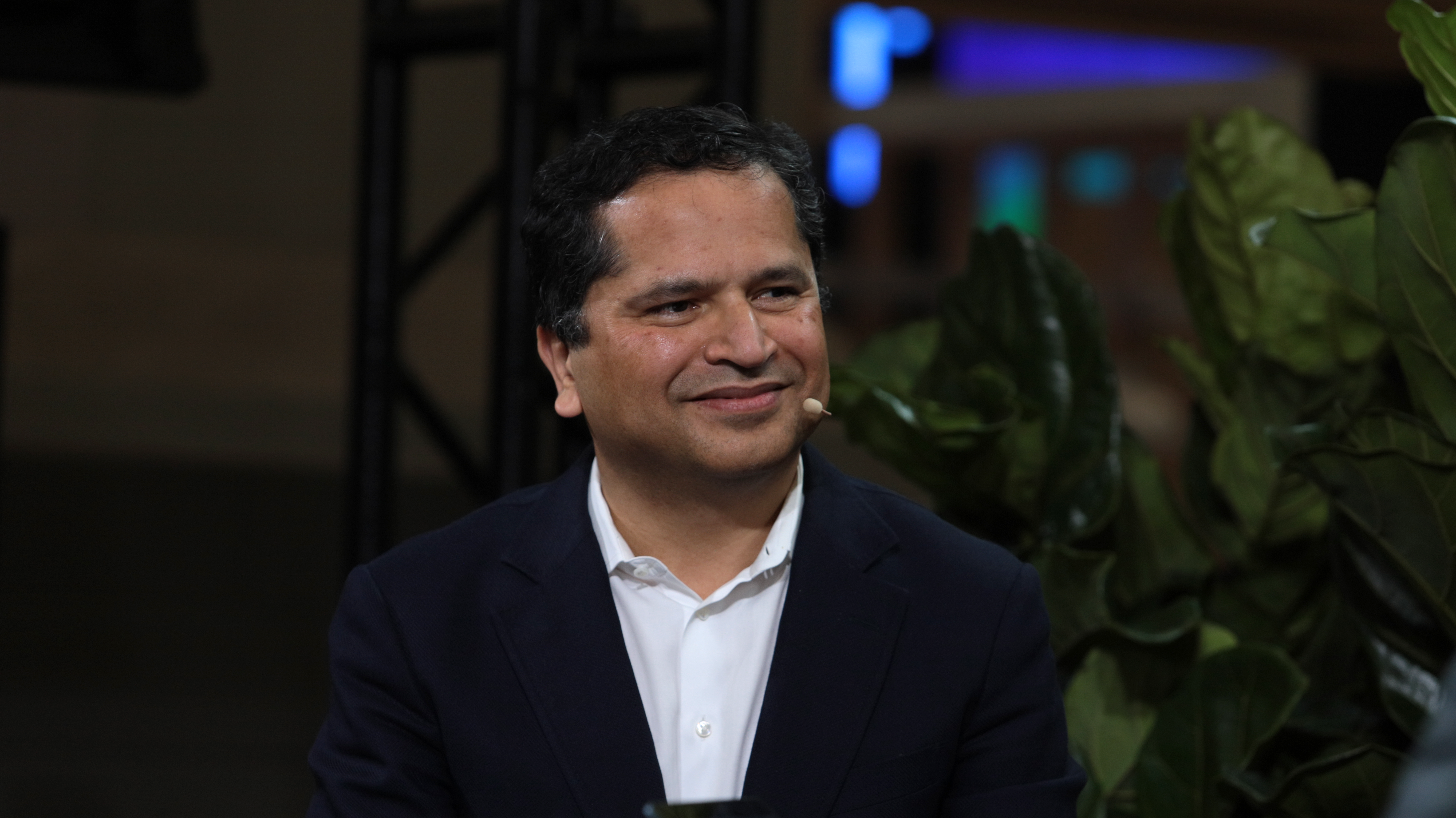
As Google Cloud Next 2026 showcases a full-stack push toward agentic infrastructure, a quieter and more urgent conversation is happening one level up: why most companies are spending more on information technology and getting less return. The challenge is not a technology problem but a leadership and organizational one, according to Asutosh Padhi (pictured), senior partner and global leader of firm strategy at McKinsey & Company Inc.
“There have been a number of different studies recently which talked about the fact that 90% of these efforts have not really yielded any business value,” Padhi said. “In my conversations with CEOs and CFOs, the number one thing we hear is the fact that the spending on IT continues to go up, but the returns are totally and completely unclear. There’s a number of reasons why companies have really struggled. I think it starts with ambition and saying, ‘Is this a C-suite topic or is this owned by the CIO [or] the chief analytics officers?’ In my conversation with the CEO or CFO you ask the question, ‘How’s it going?’ If they turn to the chief analytics officer, you know that it’s game over.”
Padhi spoke with theCUBE’s John Furrier and co-host Alison Kosik at Google Cloud Next 2026, during an exclusive broadcast on theCUBE, SiliconANGLE Media’s livestreaming studio. They discussed why enterprise AI value creation remains elusive and what CEOs must do differently to turn AI investment into durable competitive advantage. (* Disclosure below.)
McKinsey’s own research finds that meaningful enterprise-wide bottom-line impact from AI investment remains rare, with only about 39% of organizations reporting earnings impact attributable to the technology. The breakdown often begins with weak C-suite ownership and extends through fragmented data environments and slow adoption in day-to-day workflows, according to Padhi.
“Companies have historically gone through multiple periods of complex [data environments],” he said. “They bought a number of different ERP systems over periods of time, have gone through multiple acquisitions and integrations, and … they struggle with how to use data that is actually siloed and fragmented across different sources.”
The counterintuitive prescription is to resist the instinct to start with easy wins. Rather than running 40 or 50 isolated pilots — which, as SiliconANGLE research shows, rarely scale or connect — companies should lead with their hardest and most consequential business problem to force the organizational commitment that makes transformation stick, according to Padhi.
“Start with one of your tougher business problems,” he said. “Demonstrate the fact that it works and then you can scale it up from there. When you start with something that will be a needle mover for the enterprise value then everyone pays attention. The necessary focus from a change management and capability building standpoint goes into it. When you’re working with something on a simple use case, it’s something that’s happening on the side that no one is really paying attention to. Even if it succeeds, no one really cares.”
The endgame is what McKinsey calls an AI management operating system — an always-on architecture running from the CEO to the front line that embeds AI into redesigned workflows, enables faster decision-making and creates a defensible competitive moat, Padhi explained. Companies that build this, grounded in a digital twin of their core business ontology, will be able to compress product introduction cycles by 70% or more, he added. The leaders who will navigate it successfully combine technological fluency with speed and human judgment — qualities that, taken together, are raising the bar for what it means to lead.
“The bar for being a great leader today is going to go up, not go down,” Padhi said. “If you don’t learn technology, and if you think that you’re going to outsource that, it’s game over. Second is speed — this idea that I’m going to wait for another two years to see something essentially means someone else is going to create this compounding advantage. The third part of it is just the human factor — empathy, kindness, judgment. There’s going to be a real premium on those capabilities because information is going to become more available more easily, but the temptation, what you do with it, is going to become even tougher and will require all of those skills.”
Here’s the complete video interview, part of SiliconANGLE’s and theCUBE’s coverage of Google Cloud Next:
(* Disclosure: McKinsey & Company sponsored this segment of theCUBE. Neither McKinsey & Company nor other sponsors have editorial control over content on theCUBE or SiliconANGLE.)
Support our mission to keep content open and free by engaging with theCUBE community. Join theCUBE’s Alumni Trust Network, where technology leaders connect, share intelligence and create opportunities.
Founded by tech visionaries John Furrier and Dave Vellante, SiliconANGLE Media has built a dynamic ecosystem of industry-leading digital media brands that reach 15+ million elite tech professionals. Our new proprietary theCUBE AI Video Cloud is breaking ground in audience interaction, leveraging theCUBEai.com neural network to help technology companies make data-driven decisions and stay at the forefront of industry conversations.